
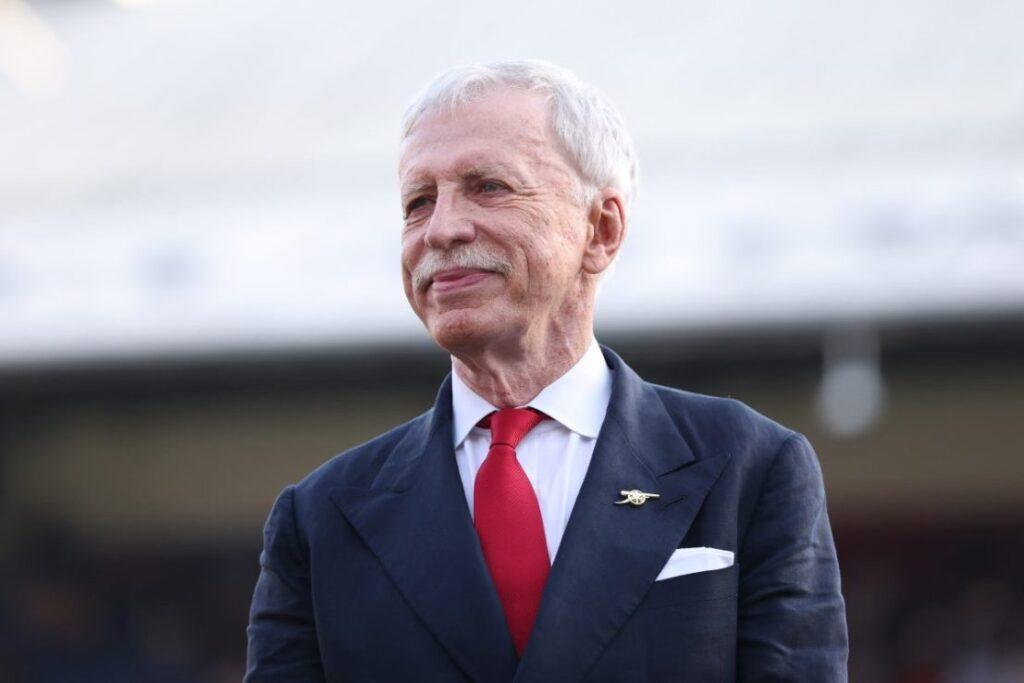
During the summer, the sale of US sports franchises reached an impressive total of nearly £23 billion, a notable figure that underscores the booming sports market. A significant contributor to this surge was Stan Kroenke, owner of Arsenal Football Club, who made headlines with his acquisition of the Los Angeles Angels, a Major League Baseball team.
Impact of High-Profile Acquisitions
Kroenke’s purchase is not just a personal investment; it reflects a larger trend in the sports industry where franchise values are soaring. The remarkable figure of £23 billion in sales is indicative of the growing financial clout associated with sports franchises in the United States. Investors are increasingly recognising the potential for substantial returns, making ownership of these teams highly sought after.
This influx of capital is also transforming the landscape of professional sports, as teams are now able to invest more in facilities, player development, and community engagement initiatives. The ripple effect of such transactions can be seen across various sports, from football and basketball to baseball and beyond, as the appetite for investment only seems to grow.
The Broader Economic Context
In a time where the global economy is recovering from various challenges, the sports sector has emerged as a beacon of resilience. The substantial sales figures highlight not only the allure of sports ownership but also the confidence investors have in the long-term profitability of sports franchises. This trend is further supported by lucrative broadcasting deals and the continued expansion of digital platforms, which provide teams with additional revenue streams.
As the market for sports franchises evolves, it is crucial to consider the implications for both the teams involved and the communities they represent. The financial strength of these franchises can lead to enhanced local economies and increased engagement with fans. However, it also raises questions about the accessibility of sports ownership and the potential for further commercialisation of the game.
The Future of Sports Investments
Looking ahead, it will be interesting to observe how this trend develops and whether similar investment patterns emerge in other regions. The robust interest in US sports franchises could inspire investors worldwide to explore opportunities in their local markets. As franchises continue to change hands at record prices, the dynamics of sports ownership may witness a fundamental shift, redefining what it means to own a sports team in the modern era.
In conclusion, the recent sales of sports franchises, driven in part by prominent figures like Stan Kroenke, signify a pivotal moment in the industry. The potential for growth and the strategic importance of these assets are likely to shape the future of sports investment for years to come.




More Stories
Pension Savers Reclaim £188 Million After HMRC Overtaxes Withdrawals: A Shocking Oversight
How UK Tax Regulations Influenced the Recent Transfer Window
Revolutionary Inheritance Tax Changes Set to Transform Pension Utilisation in the UK