
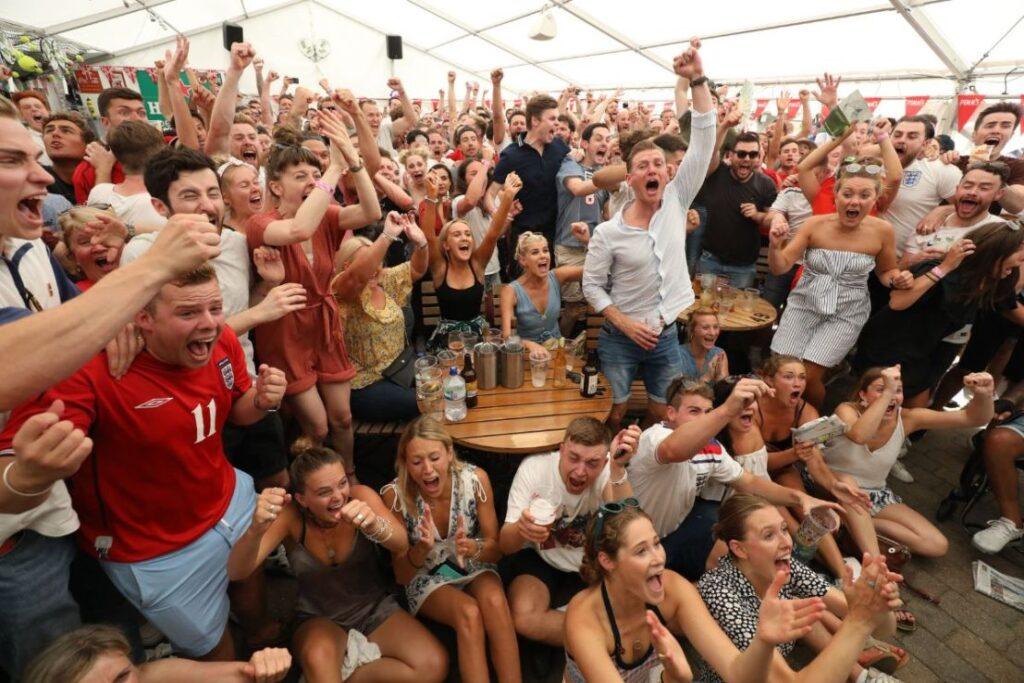
The ongoing World Cup in England has proven to be a significant catalyst for the hospitality and retail sectors in London, leading to a notable surge in demand for food deliveries and other consumer goods. Recent data from Deliveroo highlights a marked increase in orders, reflecting the enthusiasm and engagement of fans during the tournament.
Increased Demand for Takeaways
As football fans gather to watch matches, many are opting for the convenience of takeaway meals rather than dining out. This trend has been particularly beneficial for local restaurants, which have seen a substantial uptick in orders. Deliveroo’s statistics reveal that certain popular food categories, such as pizza and burgers, have experienced impressive growth, with many establishments reporting record sales during match days.
This rise in food orders not only supports local businesses but also showcases the changing habits of consumers who prefer enjoying the excitement of the World Cup from the comfort of their homes or in social settings with friends and family.
Retail Sector Benefits from World Cup Excitement
Retailers are also reaping the rewards of the World Cup fever. With fans keen to support their teams, merchandise sales have skyrocketed. Items such as team jerseys, flags, and memorabilia are flying off the shelves as supporters look to display their allegiance. This trend has provided a much-needed boost to local shops and larger retailers alike, contributing positively to the economy during what is typically a quieter period for retail.
The combination of sporting events and consumer engagement has created a vibrant atmosphere in the capital, with both restaurants and retailers benefiting from the influx of fans eager to celebrate their team’s successes.
Impact on Local Economy
The positive impact on London’s economy from the World Cup cannot be understated. The increase in orders and sales translates to higher revenue for local businesses, which in turn supports job creation and retention within the community. As restaurants hire additional staff to meet the increased demand, the local economy experiences a ripple effect that enhances overall financial stability.
Moreover, the heightened activity in the hospitality and retail sectors contributes to a sense of community and excitement, fostering social interactions among residents and visitors alike. This World Cup has not only brought together fans from across the nation but has also invigorated London’s economy through collective participation in the sport.
Future Prospects
As the tournament progresses, it remains to be seen how long this surge in orders will continue. However, the current trends suggest that this World Cup is making a lasting impact on London’s food and retail landscape. If the enthusiasm for football persists, there may be opportunities for businesses to adapt and innovate in ways that capitalise on this heightened consumer engagement.
In conclusion, the World Cup has indeed proved to be a significant boon for both restaurants and retailers in London, illustrating the power of sports in driving economic growth and community spirit.




More Stories
Pension Savers Reclaim £188 Million After HMRC Overtaxes Withdrawals: A Shocking Oversight
How UK Tax Regulations Influenced the Recent Transfer Window
Revolutionary Inheritance Tax Changes Set to Transform Pension Utilisation in the UK