
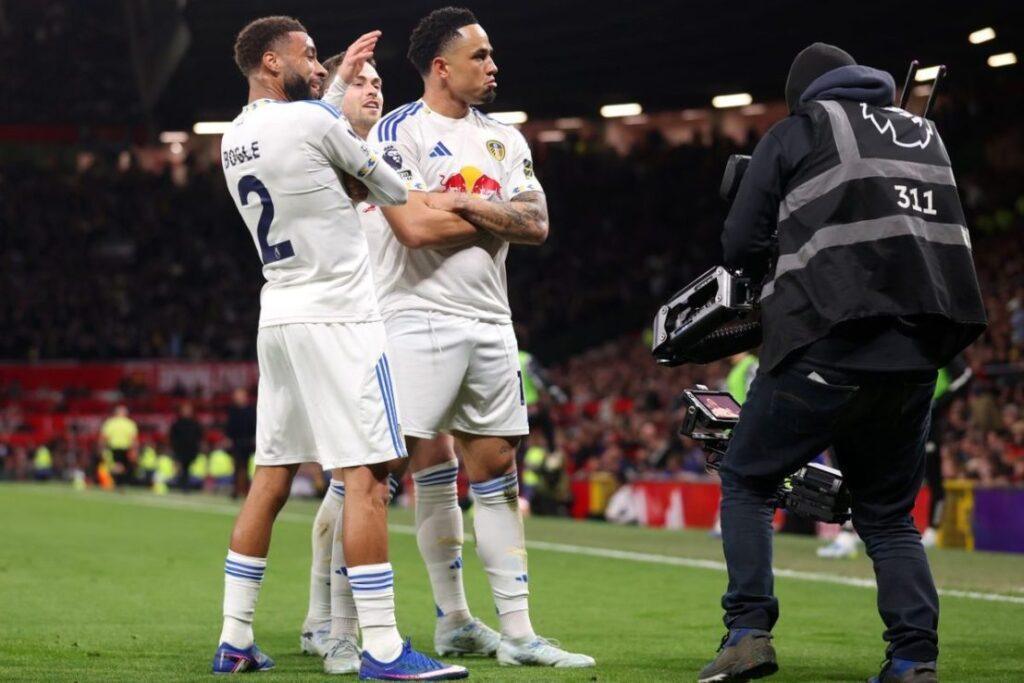
The recent acquisition of ITV by Sky marks a pivotal moment in the landscape of sports broadcasting, a shift that could significantly alter the dynamics of sports broadcast rights. As media companies consolidate, the implications for the valuation of sports content and the subsequent negotiations for rights deals are profound.
Implications of Media Consolidation
Sky’s takeover of ITV is not merely a corporate manoeuvre; it reflects a broader trend of media consolidation that has been gathering momentum in recent years. By combining resources, these entities can leverage their combined audiences to attract more lucrative advertising deals and negotiate more favourable terms with sports leagues. This consolidation is likely to result in a more competitive bidding environment for sports broadcast rights, which have become increasingly valuable as viewership continues to grow across various platforms.
As media conglomerates pool their resources, the potential for enhanced production quality and innovative broadcasting technology becomes more feasible. This could lead to a richer viewing experience for fans, further driving demand for exclusive sports content. The implications extend beyond just financial aspects; they may also reshape how audiences consume sports, with a greater emphasis on on-demand and streaming services.
Impact on Sports Rights Valuation
The valuation of sports broadcast rights is inextricably linked to the financial health and negotiating power of the broadcasters. As Sky and ITV merge their interests, the balance of power in negotiations with sports leagues will likely shift. Rights holders, such as football clubs and governing bodies, may find themselves in a stronger position to demand higher fees, particularly as the competition for exclusive rights intensifies.
This increased competition could also lead to a more diverse range of sports being showcased across platforms, as broadcasters seek to differentiate themselves in a crowded marketplace. It is conceivable that lesser-known sports could gain greater visibility, appealing to niche audiences and driving up overall engagement with the sporting world.
The Future of Sports Broadcasting
Looking ahead, the future of sports broadcasting appears to be one of transformation. The landscape will undoubtedly evolve as traditional models are challenged by new viewing habits and technological advancements. With Sky and ITV at the forefront of this change, the potential for innovation in sports coverage is immense.
Moreover, as the competition for rights escalates, it will be interesting to see how this affects pricing structures and the way in which sports content is packaged and sold. The outcome could create a ripple effect throughout the industry, influencing everything from grassroots funding in sports to the overall strategic direction of media companies.
In conclusion, the merger of Sky and ITV signifies more than just a change in ownership; it heralds a new era for sports broadcasting that could redefine the value of sports rights in the years to come. Stakeholders across the spectrum will need to adapt to this rapidly changing environment to stay competitive and relevant in the evolving market.




More Stories
Big Four Firms Secure £1.5bn in Government Contracts Despite Labour’s Commitment to Reduce Spending
Cloth Cornhill Review: Discover the Fabulous Comeback of a London Icon
Lloyd’s Underwriters Aim to Block £45 Million Legal Protection for Petrofac Bribery Defendants