
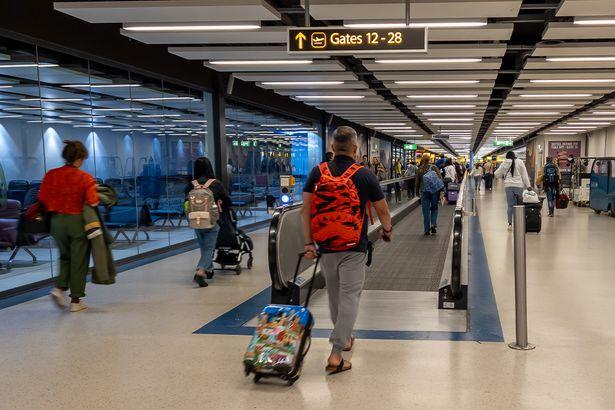
Gatwick Airport and SES Water have provided an update regarding a significant water outage that affected operations at the airport. On Sunday, 26 July, a disruption in water supply led to the cancellation of various services, causing considerable inconvenience for travellers. The loss of water resulted in the closure of toilets and restaurants, further exacerbating frustrations among passengers. Additionally, the outage impacted surrounding areas, including parts of Kent and Surrey, which experienced low water pressure or complete loss of supply.
Restoration of Water Supply
In a statement on Monday, 27 July, a representative from SES Water confirmed that normal water supplies had been restored following a power failure at their Bough Beech Water Treatment Works. The spokesperson expressed regret over the disruption caused to customers and partners, including Gatwick Airport, and thanked the public for their patience as teams worked diligently to rectify the situation. SES Water, which serves areas of south London including Croydon and Morden, operates eight treatment works alongside 31 service reservoirs and water towers.
Responding to inquiries about the outage, a spokesperson for Gatwick Airport stated that following the incident at Bough Beech Water Treatment Works, the water supply had returned to normal. They confirmed that all toilet facilities and food and beverage outlets were operational, and the airport resumed normal operations.
Seeking Compensation for Disruption
Passengers affected by the incident may be left wondering if they are entitled to any form of compensation due to missed services resulting from the disruption. Vix Leyton, a consumer expert at thinkmoney, offered guidance on how to pursue refunds for reasonable additional costs incurred because of the outage. Leyton advised passengers to retain receipts for any extra expenses, take screenshots or photographs documenting the disruption, and lodge complaints directly with the airport. She noted that while there is no guarantee of a refund, providing evidence can strengthen a complaint significantly.
For travellers who did not receive a service they had paid for, Leyton recommended contacting the relevant company to request a refund. This could apply to prepaid meals, lounge bookings, or any other services that were unavailable due to the outage. She emphasised that businesses should not retain full payment for services they failed to deliver, making these instances some of the most straightforward claims to pursue.
Exercising Consumer Rights
If a company declines a refund request, Leyton suggested that customers who paid by card inquire about chargeback options with their bank. Additionally, Section 75 of the Consumer Credit Act 1974 may provide protection for certain credit card purchases exceeding £100, although many airport-related transactions may fall below this threshold. This provision holds both the credit card provider and the vendor jointly liable for the cost of goods or services purchased using a credit card, covering sums between £100 and £30,000.


More Stories
Meet Britain’s Strongest Schoolgirl: The Edgware Weightlifter Breaking Stereotypes
Tattoo studios in London
Where medical meets art: Anna Kovalchuk’s AK Paramedical Studio in Battersea