
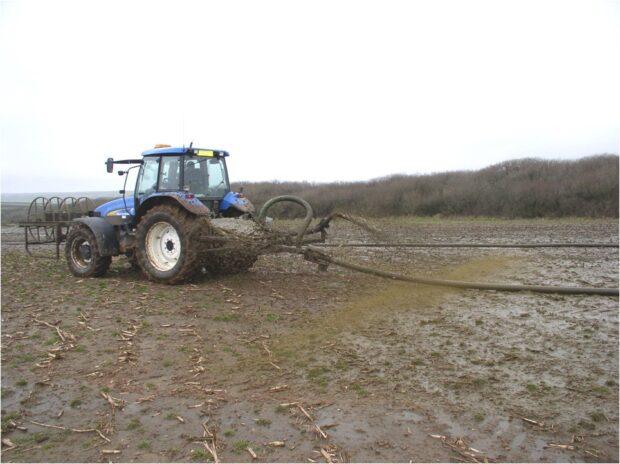
As we experience yet another sweltering summer, the impacts of climate change become increasingly evident. Transitioning into winter, we can expect heightened rainfall, increased runoff, and intensified pressure on slurry storage facilities. Proactive measures taken now can safeguard your land, your business, and the waterways that are vital to your community.
When managed effectively, slurry can be a valuable resource; however, mismanagement poses a significant risk of pollution to rivers, soils, and downstream communities. The decisions made during the summer months will have repercussions for our waterways come January.
Importance of Pre-Winter Planning
The Environment Agency is urging farmers to assess their slurry storage needs before the rainy season commences. Now is the opportune moment to strategise for the winter ahead.
Given the current pressures on fuel and fertiliser prices, ensuring adequate storage capacity is crucial not only for regulatory compliance but also for conserving resources for when they are most critically needed.
From an environmental perspective, spreading slurry during winter poses a significant pollution risk due to runoff, harms soil health, and results in the loss of essential nutrients. Furthermore, applying slurry purely because storage is at capacity—rather than based on the actual needs of soil or crops—constitutes a violation of environmental regulations.
Understanding Slurry Storage Requirements
The Silage, Slurry and Fuel Oil Regulations stipulate that all farms must maintain a minimum of four months’ worth of slurry storage. Those located within Nitrate Vulnerable Zones face even greater requirements, which vary depending on the type of livestock managed.
Additionally, the Farming Rules for Water indicate that farmers should only apply slurry in quantities that the soil and crops require, while also ensuring that no pollution risks are created. To fully comply with these regulations, it is advisable to aim for at least six months of slurry storage capacity.
Preparing Your Slurry Storage for Winter
To optimise your slurry storage facilities in preparation for winter, consider the following maintenance steps:
First and foremost, inspect your yard for leaks. Faulty guttering or drainage systems can lead to increased slurry volumes, as clean rainwater may mix with manure. Addressing any leaks and ensuring that drainage systems are functioning correctly can significantly impact your storage needs; it’s possible that these adjustments alone could meet your existing requirements.
Next, utilise the AHDB Slurry Wizard to evaluate your slurry storage needs. This tool can help determine whether you have sufficient capacity to remain compliant throughout the winter. It is also beneficial for future planning, allowing you to assess your requirements in the event of farm expansion or to establish a buffer for contingencies.
Contingency Planning for Slurry Storage
Regardless of whether you believe your current storage capacity is adequate, developing contingency plans is wise in case of unexpected events. Consider the following options:
- Temporary storage at the production site.
- Off-farm storage solutions—explore whether there are nearby facilities that can accommodate your slurry if your storage becomes full or if you face infrastructure issues.
- Processing at an anaerobic digestion plant or effluent treatment facility—check if there are local facilities available for this purpose.
- Discuss safe spreading options with the Environment Agency to identify suitable areas on your farm for emergency spreading should your storage reach capacity.
It is essential to review the guidance surrounding slurry storage and the planning of new storage facilities, including the requirement to notify the Environment Agency at least 14 days prior to constructing new storage or making substantial modifications to existing installations.
Funding Opportunities for Slurry Management
Farmers can access funding from Defra to enhance their slurry storage and management systems through the Capital Grant offer, which is expected to open on 30 July. This grant will support various improvements, including automatic slurry scrapers, self-supporting covers for slurry and anaerobic digestate stores, and floating covers for lagoons. Detailed guidance for Capital Grants can be found in the Applicant’s Guide available online.
Being well-prepared for winter can yield benefits throughout the year. By applying organic fertiliser only during the growing season, crops and grasses can absorb more nutrients, leading to increased yields. Moreover, avoiding machinery use on wet soils not only protects the soil but also saves fuel and reduces wear and tear on equipment.
Engaging with Local Support Networks
If you have any queries regarding winter preparations, assistance is readily available. Feel free to reach out to the Environment Agency’s National Customer Contact Centre to connect with your local agriculture team.
Environment Agency National Customer Contact Centre
Tel: 03708 506 506
Email: enquiries@environment-agency.gov.uk
For additional resources, consider the Farming Advice Service and the Catchment Sensitive Farming initiative, both of which offer valuable guidance for farmers and land managers.




More Stories
Discover the Benefits of Swedish Death Cleaning: A Guide to Decluttering Your Life
Flax Seeds: The Ultimate Secret Weapon for Women’s Health Benefits
Discover the Science Behind Autumn Nesting: Embrace the Cosy Season Ahead