
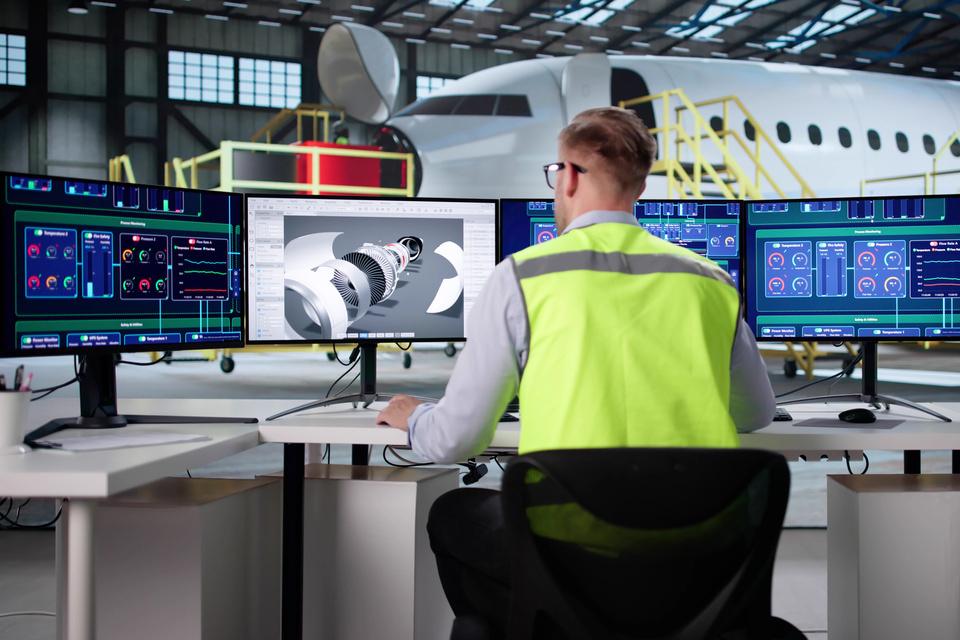
The UK is poised to embrace a new era of aviation with the announcement of £7.3 million in funding for eight innovative projects dedicated to developing hydrogen-powered planes and electric aircraft. This investment is a significant step towards achieving zero-emission flights and will facilitate the necessary infrastructure for greener aviation from UK airports. Among the initiatives supported are electric charging systems for aircraft, which may eventually be utilised for future flying taxi services, as well as hydrogen storage solutions.
The aerospace and aviation sector contributes approximately £20 billion to the UK economy, and this funding aims to expedite the journey towards net zero emissions by 2050. In addition to enhancing environmental sustainability, the investment is expected to generate thousands of jobs and stimulate economic growth across the nation.
Innovative Projects Set to Transform Aviation
The successful projects funded will focus on advancing research into hydrogen and electric aircraft, ultimately leading to the introduction of zero-emission flights. Notably, companies such as Beta Technologies and Vertical Aerospace will receive up to £3.2 million to demonstrate how their cutting-edge aircraft can seamlessly integrate into commercial airport operations. This funding is part of a broader £43 million initiative aimed at promoting next-generation aviation technology, ensuring the safe handling of electric and hydrogen-powered aircraft while unlocking sustainable air travel for passengers.
This investment comes on the heels of Vertical Aerospace showcasing its six-seater aircraft, alongside a new manufacturing contract in the UK, which is expected to support skilled jobs in the South West region and facilitate passenger services by 2029.
Government Support Fuels Ambitious Plans
In a strong endorsement of this emerging technology, a recent government-backed study from the University of Birmingham has highlighted the potential of flying taxis to enhance connectivity, bolster economic growth, and contribute to cleaner aviation in the UK. This follows an earlier announcement of a substantial £46.5 million investment aimed at integrating flying taxis and drones into various sectors, including medical deliveries and law enforcement, with companies like Amazon already trialling delivery drones in Darlington.
Heidi Alexander, the Secretary of State for Transport, expressed her enthusiasm for this transformative period in aviation, stating, “The next generation of flight is taking off in the UK. By powering up electric and hydrogen-powered planes, we’re bringing passengers closer to the flights of the future while creating skilled jobs and supporting UK businesses.” She further affirmed the government’s commitment to working collaboratively with the industry to reduce emissions and promote innovation.
Collaborative Efforts Towards Sustainable Aviation
During the recent Farnborough International Air Show, industry leaders, airlines, and engineering firms convened to discuss the role of innovative technologies in reducing emissions and stimulating economic growth within the sector. The Jet Zero Taskforce Expert Group deliberated on strategies to diminish carbon emissions from flying, including a £2.3 billion government commitment over the next decade to the Aerospace Technology Institute Programme. This initiative aims to support pioneering research and bring advanced technologies, such as AI aircraft optimisation, to the market.
Earlier this week, the UK Civil Aviation Authority (CAA) published findings from its Department for Transport-funded Hydrogen Challenge, detailing progress in demonstrating the safe integration of hydrogen as a zero-emission aviation fuel. With £1.9 million in government funding, the initiative brought together key players, including Rolls-Royce and EasyJet, to address the practical challenges and opportunities associated with hydrogen-powered flight. An additional £2.5 million will be allocated before March 2027 for projects focused on utilising hydrogen to power ground vehicles, decarbonising airport operations, and testing hydrogen-powered jet engines suitable for commercial use.
Investment in Low-Carbon Fuels
Last month, the government unveiled a new £219 million low-carbon fuels fund designed to propel plans for net-zero aviation and enhance sustainable aviation fuel production. This initiative is projected to support 15,000 jobs and contribute £5 billion to the economy by 2050, highlighting the UK’s commitment to leading the way in sustainable aviation practices.
As the UK aviation sector moves towards a greener future, these investments and collaborative efforts signal a promising shift towards more sustainable air travel, benefiting both the economy and the environment.



More Stories
New Counter-Terrorism Hub Established to Safeguard British Communities
UK Urges Commitment to Resolution 2803 and Peaceful Actions in UN Security Council Statement
Households Set to Benefit from New Plug-in Solar Panels for Significant Savings