
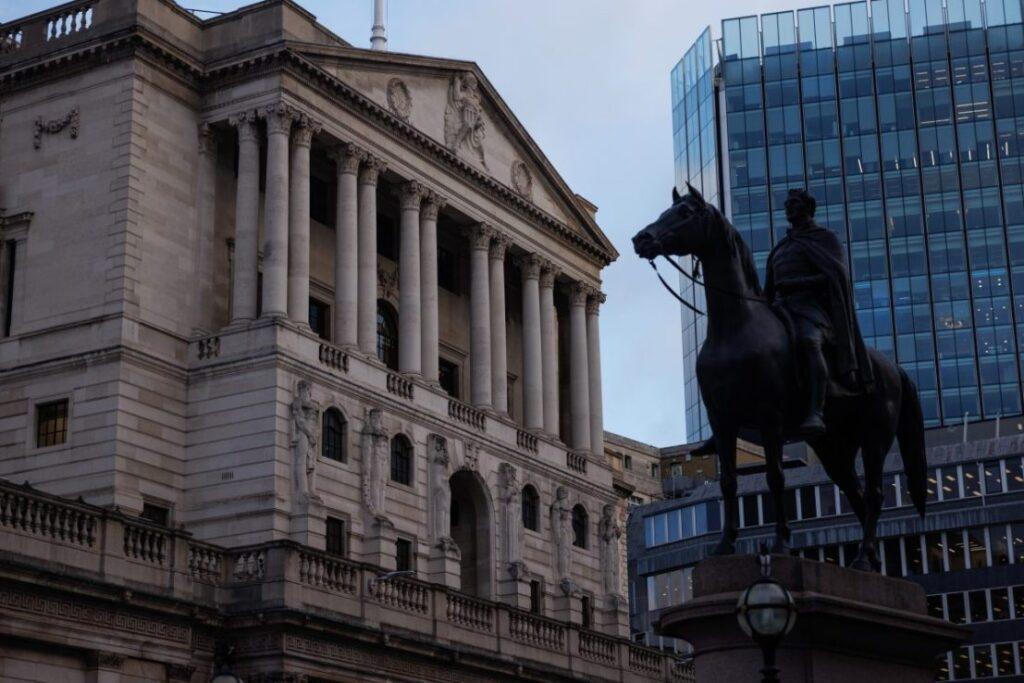
A recent surge in oil prices, reminiscent of the spikes witnessed during the Iran conflict, has cast a shadow over market sentiment, prompting concerns regarding a potential increase in interest rates. This development has left traders apprehensive about the future economic landscape.
Market Reactions to Rising Oil Prices
The sudden rise in oil prices has sparked anxiety among investors, who are wary of the implications for inflation and monetary policy. With crude oil prices reaching levels not seen since the late 1980s, there is growing speculation that central banks may be compelled to tighten monetary policy in response to escalating energy costs. Analysts are closely monitoring this situation, as higher oil prices can lead to increased production costs, which in turn may drive inflation further.
Traders are particularly concerned about how these changes will affect consumer spending and overall economic growth. As prices rise, households may face tighter budgets, leading to reduced discretionary spending. This could have a cascading effect on various sectors of the economy, from retail to services.
The Broader Economic Implications
In addition to the immediate concerns regarding interest rates, the rise in oil prices also raises questions about the sustainability of the global economic recovery. Many economies are still grappling with the aftermath of the pandemic, and any disruption caused by soaring energy costs could derail progress. Central banks, including the Bank of England, will need to tread carefully as they navigate these challenges, balancing the need to combat inflation with the imperative to support growth.
The interplay between oil prices and economic policy is complex, and decision-makers will need to consider a myriad of factors as they plot their next steps. With inflation already a concern on the horizon, the recent developments in the oil market could exacerbate these pressures, leading to a more cautious approach from policymakers.
The Role of Economic Reporting
In this context, the role of economic journalism becomes increasingly vital. Reporters like Maurício Alencar, who specialise in the intersection of politics and economics, play a crucial part in informing the public and stakeholders about these developments. Alencar’s expertise encompasses a wide array of topics, including inflation, immigration, and the workings of the Bank of England and the Treasury. His insights are pivotal for understanding the implications of economic data and policy decisions on the broader financial landscape.
Previously covering diverse areas such as sports and foreign news, Alencar remains committed to investigating critical issues that impact the economy and society. As the landscape continues to evolve, the need for accurate and timely reporting becomes ever more essential for decision-makers and the public alike.


More Stories
Healey’s £1 Billion London Office Raid: A Threat to Economic Growth
Culture Secretary Lisa Nandy Considers Intervention in Sky’s Acquisition of ITV
Nvidia’s £250m Investment in UK AI Raises Concerns Over Foreign Dependence