
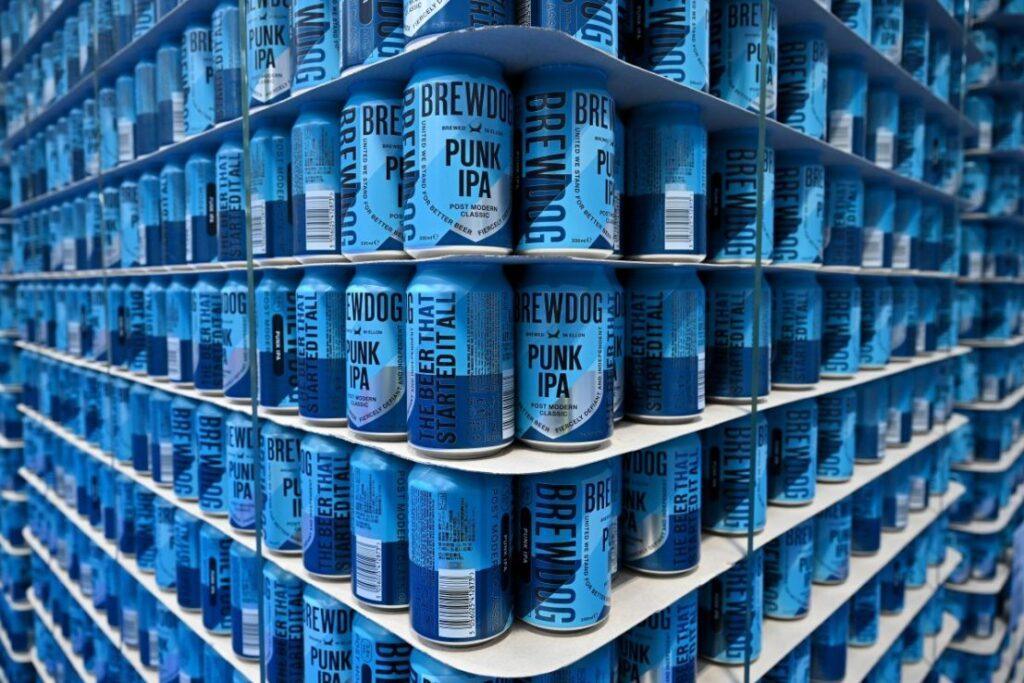
The owner of Brewdog has firmly stated that the company is “not for sale,” following a sensational takeover bid initiated by co-founder James Watt for the craft beer brand. This announcement comes amidst growing speculation surrounding the company’s future direction and leadership.
James Watt’s Ambitious Proposal
James Watt, who played a pivotal role in establishing Brewdog as a prominent name in the craft beer industry, recently put forth a bold proposal aimed at acquiring the company he helped create. His move has sparked considerable debate within the business community, raising questions about the strategic vision for Brewdog moving forward. Watt’s intentions appear to be driven by a desire to take the company in a new direction, potentially reshaping its identity in an increasingly competitive market.
Firm Stance from Ownership
In response to Watt’s unexpected bid, the current owners of Brewdog have expressed a strong commitment to maintaining control of the business. Their declaration that the company is not up for sale underscores a determination to uphold the brand’s values and mission, which have been central to its success. This stance signals a potential clash between the co-founder’s aspirations and the existing leadership’s vision for the future.
Implications for Brewdog’s Future
The ongoing situation could have significant implications for Brewdog, particularly regarding its internal dynamics and public perception. With Watt’s proposal attracting attention, the company may face pressure to clarify its strategic objectives and operational plans. Stakeholders, including employees and investors, will be keenly observing how this conflict unfolds, as it may influence Brewdog’s path in the rapidly evolving craft beer sector.
Broader Industry Context
The craft beer industry has witnessed a surge in competition and shifting consumer preferences, prompting companies to adapt their strategies continually. Brewdog, known for its innovative approach and bold marketing, must navigate these challenges while also addressing the internal conflicts that arise from leadership ambitions. The outcome of this power struggle could define the next chapter in Brewdog’s story, impacting not only its operational success but also its cultural relevance within the craft beer community.




More Stories
Pension Savers Reclaim £188 Million After HMRC Overtaxes Withdrawals: A Shocking Oversight
How UK Tax Regulations Influenced the Recent Transfer Window
Revolutionary Inheritance Tax Changes Set to Transform Pension Utilisation in the UK