
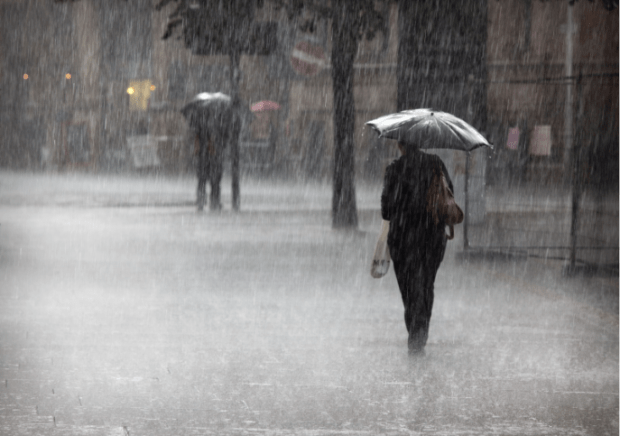
In July 2021, an unprecedented weather event saw thousands of London residents witness their homes, businesses, and communities inundated with floodwater, transforming a typical summer day into one that would be etched in memory. Over the course of two days, extreme rainfall overwhelmed various parts of the city, resulting in widespread flash flooding across 24 boroughs. The aftermath was severe, with over 2,000 properties affected and the London Fire Brigade receiving 1,755 emergency calls within a mere four hours.
Now, five years later, it is crucial to reflect on these events and evaluate the lessons learned by the capital in the aftermath of such flooding.
Understanding Surface Water Flooding Risks
The floods of July 2021 were primarily attributed to surface water flooding, commonly known as flash flooding. This phenomenon occurs when intense rainfall surpasses the absorption capacity of the ground and drainage systems. Unlike river flooding, which is confined to areas adjacent to water bodies, surface water flooding can occur in virtually any location.
Notably, one of the storms during this period produced approximately five times the volume of water that certain areas of London’s sewer network could manage. The ongoing threat of surface water flooding remains one of London’s most pressing climate-related challenges.
Currently, around 320,000 properties in the capital are deemed to be at high risk of surface water flooding, with approximately 56,000 being basement homes. As climate change intensifies the frequency and severity of heavy rainfall events, the potential for similar flooding incidents is anticipated to escalate. The urban landscape of London, characterised by roads, pavements, and buildings, further complicates the management of rainfall, as it reduces the natural absorption of water into the ground, thereby increasing strain on drainage systems during storms.
The Shared Nature of Flood Risk
A key takeaway from the events of July 2021 was the understanding that flood risk is not confined by borough boundaries; it is a collective challenge that requires a unified response. Rainfall in one borough can have repercussions for adjacent communities and their infrastructure. Surface water flooding does not adhere to political demarcations and can simultaneously impact multiple areas.
As no single entity is accountable for all elements of flood risk management, enhancing London’s resilience necessitates collaboration among various organisations and local communities working towards a shared objective.
London’s Coordinated Response
The floods of July 2021 and the subsequent reviews initiated a more collaborative approach to flood risk management. Flood Ready London was formed to consolidate the efforts of various organisations involved in this domain, including the Environment Agency, London Councils, the London Fire Brigade, the Mayor of London, Thames Water, and Transport for London. Together, this partnership aims to bolster London’s resilience to flash flooding through coordinated actions that benefit both people and the environment.
A significant milestone was achieved in 2025 with the release of London’s inaugural Surface Water Strategy, which outlines a long-term framework for enhancing resilience throughout the capital. This strategy delineates how partner organisations can better understand risks, coordinate investments, and implement necessary changes.
Turning Strategy into Action
The emphasis now lies on translating strategic plans into tangible actions. Flood Ready London partners have allocated £3.725 million towards enhancing resilience throughout the city. Ten Surface Water Catchment Partnerships are being established across Greater London, which will unite local authorities, infrastructure providers, communities, and flood risk management organisations.
These partnerships are based on natural catchment areas—regions where rainfall collects and flows—highlighting the fact that water adheres to geographical features, not administrative borders. Initial investments are directed towards Central London and the Lee Valley, supporting 20 sustainable drainage projects, with additional funding and initiatives to follow.
These projects incorporate measures such as rain gardens, permeable paving, green roofs, and other nature-based solutions designed to slow, store, and manage rainfall before it enters drainage systems. In addition to mitigating flood risk, these initiatives can enhance public spaces, support biodiversity, and improve water quality. Many boroughs are already implementing such projects, with Flood Ready London facilitating connections and support for these efforts.
The Role of Communities in Flood Preparedness
In addition to institutional efforts to improve resilience, it is vital that individuals comprehend their own flood risk. Being flood-ready extends beyond major infrastructure and city-wide planning; local knowledge and community action play a critical role. Residents, businesses, community groups, and local volunteers can contribute by sharing reliable information, looking out for neighbours, reporting local flooding incidents, and educating others on appropriate actions during heavy rain alerts.
Flood Action Groups provide a platform for communities to engage, allowing individuals to share local insights, voice community concerns, and collaborate with flood risk organisations to devise practical resilience strategies. Simple yet effective actions can significantly contribute to community preparedness. Residents and businesses are encouraged to:
- Monitor Met Office weather warnings and forecasts for heavy rain or thunderstorms.
- Assess their long-term flood risk.
- Prepare a flood kit.
- Know how to safely turn off gas, electricity, and water supplies.
- Relocate important documents, valuables, and sentimental items to higher ground when possible.
- Verify that household building or contents insurance covers flooding; if not, seek assistance from FloodRe.
- Keep key contacts, including insurers, landlords, housing associations, and local councils, readily available.
- Avoid floodwaters and refrain from driving or walking through them.
- Ensure that drains outside homes and on streets are clear, reporting any issues to councils or relevant platforms.
- Call 999 in emergencies where life is at risk, serious injury occurs, or urgent evacuation assistance is required.
- Check on neighbours who may need additional support, whilst ensuring personal safety.
Looking Towards the Future
As London reflects on the events of July 2021, it acknowledges the lessons learned and the strides that have been made since then. However, there remains much work to be done. As climate change continues to impact the city, enhancing resilience will necessitate ongoing investment and collaboration.
By fostering cooperation across boroughs, organisations, and communities, London can work towards safeguarding the people, places, and services that contribute to the city’s vitality.




More Stories
Experience a Day in the Life of a Fisheries Enforcement Officer: Insights and Responsibilities
Essential Guide to Understanding Young-Onset Dementia: Key Facts and Insights
Harnessing Science to Tackle the Tyne Nurdle Pollution Crisis