
Highlighting the Threat of Invasive Species
This week marks the observance of Invasive Non-Native Species (INNS) Week, an opportunity to draw attention to the often understated efforts dedicated to safeguarding our aquatic environments.
The dangers posed to fisheries are not always overt. They may begin with reports of unexplained fish fatalities, unusual fish behaviour, or the presence of species that do not belong to the native ecosystem. Anglers may contribute by submitting photographs of unfamiliar findings, while at times, there may be no visible indicators at all—only subtle traces left in the water.
This is where the National Fisheries Laboratory, operated by the Environment Agency, plays a crucial role.
The Role of the National Fisheries Laboratory
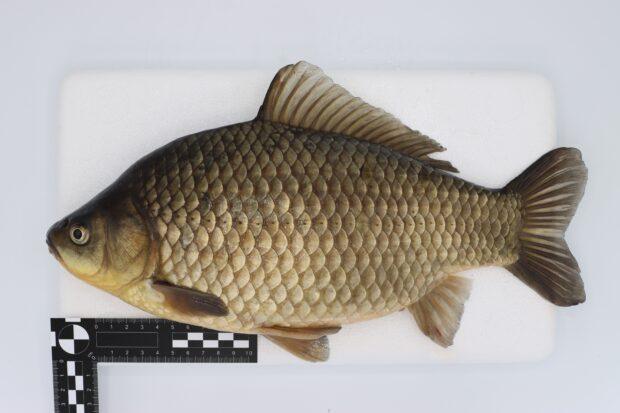
Located in Brampton, Cambridgeshire, the laboratory serves as a vital component of England’s defence against threats to its freshwater fisheries. The nature of the work is diverse, with no two days resembling one another. One moment, the team may be investigating a case of fish mortality; the next, they could be identifying a parasite or a fish suspected to be a non-native species. This highly specialised work is essential for the protection of fisheries across the nation.
Understanding the Impact of INNS
Invasive non-native species can transform a fishery rapidly and, in some cases, irreversibly.
Certain species tend to outcompete native fish such as roach and perch, while others introduce unfamiliar diseases that threaten local populations. Moreover, some non-native species may carry pathogens that can proliferate throughout entire catchments if fish movements are not meticulously controlled.
Even a single introduction of a non-native species can lead to long-lasting damage.
Once established, these species and diseases are exceedingly difficult, if not impossible, to eradicate. This underscores the importance of prevention and the critical role of early detection in managing these threats.
The Laboratory’s Preventative Measures
The National Fisheries Laboratory stands as the Environment Agency’s specialist centre for fish health, disease, and non-native fish species. Funded by fishing licence income, it offers tangible benefits to anglers and fisheries throughout England.
The team is poised to respond when issues arise, investigating fish deaths, diagnosing diseases, and assisting fisheries in recovery efforts. However, a significant portion of their work occurs behind the scenes, aimed at mitigating risks before they escalate.
This proactive approach involves conducting health checks prior to fish stocking or relocation, identifying non-native species, and providing expert guidance to fisheries managers. The laboratory translates regulations into actionable measures, aiding in decisions that prevent the transfer of fish from waters known to harbour serious pathogens, thereby helping to curb the spread of diseases.
Utilising Advanced Scientific Techniques
Some of the most critical work occurs before problems are even detected.
The laboratory employs an array of scientific techniques to gain insights into the hidden dynamics of aquatic environments. One such technique is environmental DNA analysis, which allows for the detection of species from minute traces left in the water. Even a single sample can indicate which fish are present, even when they are not visibly observable.
Such work is instrumental in constructing a clearer understanding of fish populations and the challenges they encounter, thus supporting initiatives that enhance our comprehension of fisheries across England.
In addition, the team conducts thorough investigations into fish health, alongside ageing and growth analyses of local fish populations. These findings provide fisheries with the evidence necessary to make informed decisions, ultimately enhancing the resilience of their waters for the future.
The Importance of Fishing Licence Income
All these essential activities are made possible through fishing licence income.
This funding ensures that fishery owners can report issues and receive expert assistance, while anglers who notice unusual occurrences can seek clarification. It also facilitates the early identification and management of emerging threats, including new diseases and invasive species, before they inflict widespread harm.
Often, the result is peace of mind. What may initially appear alarming can turn out to be a natural condition or a common parasite. However, when a more serious issue is detected, prompt action can significantly mitigate its impact.
The Call for Early Reporting
Early reporting is crucial in the ongoing effort to protect fisheries.
If you observe dead or distressed fish, or encounter an unusual species, it is imperative to report your findings:
- Incident hotline (24/7): 0800 80 70 60
- Fish health: fish.health@environment-agency.gov.uk
- Non-native species: non-natives@environment-agency.gov.uk
For further information on how fishing licence income supports this vital work and safeguards fisheries across England, please visit GOV.UK.




More Stories
Essential New Guidance for Farmers to Enhance Flood Resilience
Collaborative Efforts: How the Environment Agency and the Netherlands Unite to Safeguard Communities Against Rising Tides
Do Blue Light Filters Really Work? Unveiling the Truth Behind Eye Protection