
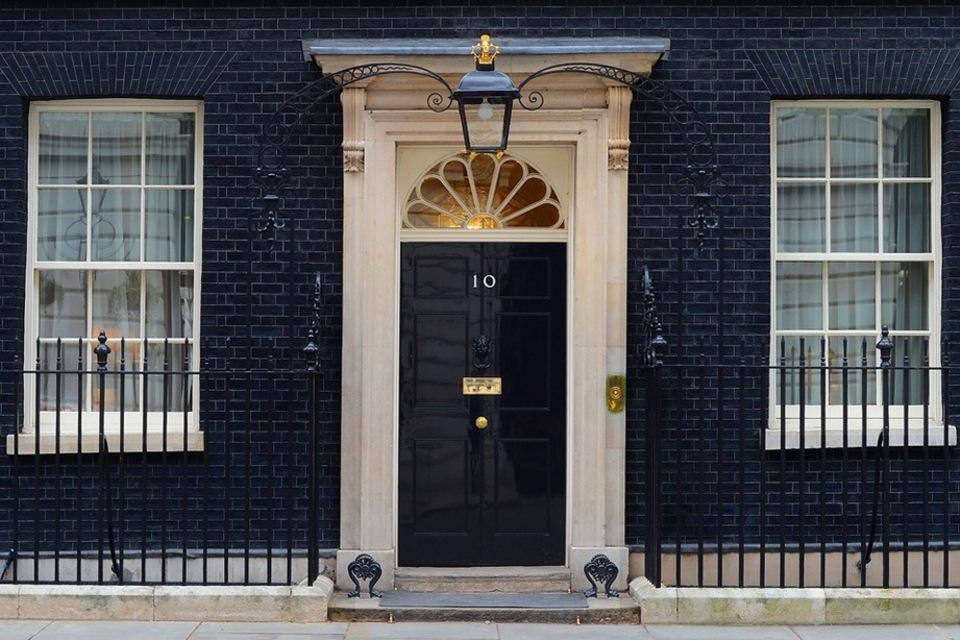
In a significant move to enhance local governance, the Prime Minister has announced the secondment of Whitehall officials into mayoral offices, marking a pivotal moment for the newly established No10 North initiative. This measure aims to empower local leaders and unlock growth opportunities across the country, following a month of engaging discussions with mayors from various political backgrounds.
Strengthening Local Governance through Collaboration
The Prime Minister convened the first virtual meeting of No10 North, bringing together mayors from across England to discuss a series of initiatives designed to bolster their capabilities. This comes in response to requests made during the inaugural session of the National Economic Council, where local leaders expressed the need for enhanced local capacity, expedited decision-making, and a more robust partnership with central government.
Starting this autumn, high-performing civil servants will be assigned to mayoral authorities, with each authority receiving between five and ten officials on a secondment lasting six to nine months. This pilot scheme is intended to furnish local authorities with the necessary skills and expertise to facilitate a historic devolution of power. Mayors will have the autonomy to specify the skill sets they require for their teams.
New Initiatives to Foster Regional Development
Alongside the secondment of civil servants, the government has unveiled a suite of initiatives aimed at fostering regional development. A new Civil Service Fast Stream pilot will be launched in Yorkshire and the Humber, aimed at creating career opportunities in regions outside of London and cultivating a new generation of leaders with experience in both local and central government.
The Future Leaders Scheme, which focuses on nurturing high-potential individuals within the civil service, will also be extended to include officials from mayoral and local authorities. Additionally, a Digital Devolution programme is set to enhance digital capabilities by improving access to government data and building artificial intelligence and data skills within mayoral offices.
Moreover, the Minister for Growth and the Minister for Sport will collaborate with mayors on the Stadium Regeneration Accelerator, a project designed to support significant sports-led regeneration initiatives, which will subsequently generate jobs, attract investment, and provide housing opportunities.
A Commitment to Devolution and Local Empowerment
Prime Minister Andy Burnham emphasised the importance of empowering communities, stating, “No10 North is putting more power into every postcode across the country so communities can unleash and unlock their own potential.” He highlighted the collaborative effort between mayors of various political parties aimed at addressing pressing local challenges rather than engaging in partisan disputes.
In its inaugural month, No10 North has successfully integrated regional mayors into national economic decision-making through the National Economic Council, established a direct communication channel for local leaders to address obstacles hindering growth, and initiated actions to support local control of bus services in the West Midlands.
Transforming the Landscape of Local Governance
First Secretary of State Louise Haigh remarked on the transformation of power dynamics, stating, “The days of Westminster hoarding power are over. This government has kickstarted the biggest transition of power and resources in a generation, taking it from Whitehall and putting it back in the hands of local communities.”
Angela Rayner, Secretary of State for Housing, Communities and Local Government, reinforced this commitment by stating that the aim is to return power and resources to communities, providing mayors with the necessary tools to address vital issues such as transport, housing, and regeneration projects effectively.
As part of this initiative, eighteen mayoral strategic authorities are expected to participate in the initial secondment programme, with additional authorities potentially included in the future. Applications for the fast stream will open in conjunction with the next intake in October, with successful candidates set to commence in September 2027.
The overarching goal of the Digital Devolution programme is to enhance access to government data, establish a common data-sharing framework between Whitehall and mayoral authorities, and promote the use of technology to improve public services and stimulate economic growth.
In summary, this initiative reflects a concerted effort to empower local authorities, ensuring that they have the resources and support needed to drive meaningful growth and development within their communities.


More Stories
Unveiling the UK’s Arctic Policy Framework: Minister Kumaran’s Keynote Address
UK Champions Two-State Solution for Lasting Peace and Security for Israelis and Palestinians
Prime Minister Proposes Collaboration with Holyrood to Empower Scottish Regions