
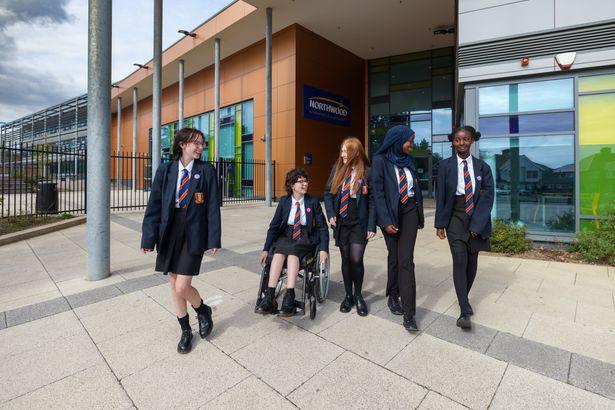
The expulsion rates of pupils from schools in Hillingdon have reached an all-time low, according to recent figures released by the local council. In the academic year 2024/25, permanent exclusions dropped by an impressive 23 per cent compared to the previous year, marking a historic low for the borough that surpasses even the statistics recorded during the Covid pandemic. While the national average for permanent exclusions and suspensions has risen sharply, Hillingdon has seen a consistent decline, with its figures now significantly below the national benchmark.
In total, suspensions across the borough fell by nine per cent year on year, resulting in 1,977 suspensions from a pupil population exceeding 56,000. Mehul Shah, headteacher of Northwood School, has played a pivotal role in overseeing these declining exclusion rates. Observing the positive trend, Mr Shah noted that Northwood has not issued a single permanent exclusion in the past three years.
Innovative Approaches to Behaviour Management
When asked about the strategies that have contributed to this success, Mr Shah emphasised the importance of prioritising the happiness of students as a foundation for their success. He stated, “It’s about having really high standards right from the start when the children join the school so that they never veer into anything more wrong.” Rather than resorting to punitive measures, Northwood School employs a technique known as “therapeutic thinking” to address instances of defiance. This approach focuses on de-escalation rather than confrontation. Mr Shah explained, “You don’t elevate a situation when a child is saying no. You don’t chase after them. You don’t shout even more at them because they’re not in a state where they can respond positively.”
Additionally, Mr Shah has implemented a “green room” for students with special educational needs (SEN), providing a space for them to regroup before reaching a point of disciplinary action. This initiative acknowledges that disruptive behaviour often stems from an overwhelming environment. He remarked, “A lot of the time, poor behaviour bubbles up when there is a lot of stimulus around.”
Shifting Trends in Reasons for Exclusions
In recent years, the primary causes of permanent exclusions in Hillingdon have evolved, with disruptive behaviour now emerging as the leading reason for the first time in three years. Rates of physical assault and substance use have significantly declined. Despite these improvements, permanent exclusions have not been entirely eradicated, with 33 cases occurring in the borough last year. When discussing the rationale behind the necessity of exclusions, Mr Shah stated, “The main thing for me as a head teacher to think about is, by excluding the pupil will the rest of the school community be able to work in a less hindered fashion, and a more safe fashion?”
He further elaborated that his consideration of exclusion often revolves around the safety and well-being of the entire school community, indicating, “So often when I’m considering exclusion, it is because of that reason – I don’t feel that the rest of the community would feel safe if that person continued at the school.”
For those wishing to contribute stories or insights, they are encouraged to reach out via email or social media. In the meantime, residents can stay informed on the latest news from West London by subscribing to the MyWestLondon newsletter.



More Stories
Two London Bakers Eliminate Each Other in Great British Bake Off’s Thrilling Bread Week
City Leaders Alert: Healey Bank Tax Increase Could Force Businesses to Leave the UK
Housebuilders Abandon London Amid Labour’s Planning ‘Nightmare’ Crisis