
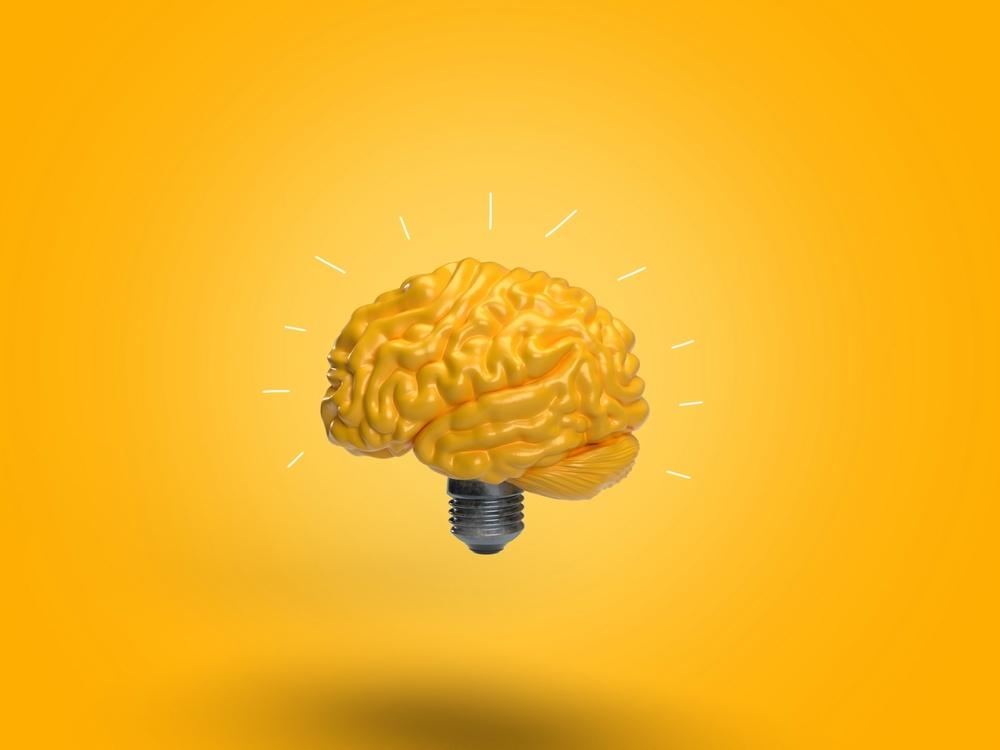
Dr Connie McReynolds, a licensed psychologist, invites us to delve into the relationship between directed thoughts, intentional focus, and their impact on our nervous system and stress responses. As the long, dark nights of winter approach, the creative mind of Mike Flanagan has turned to one of Stephen King’s most renowned stories, “Carrie,” a tale of adolescent torment intertwined with supernatural elements.
This narrative, centred around a schoolgirl with telekinetic abilities—the power to move objects solely with her mind—has captivated audiences for decades. It is little wonder that this horror classic is being revitalised through a television adaptation. Although we may not possess the ability to manipulate objects as Carrie does, we do have our own form of ‘internal telekinesis’ in the real world. Through mental concentration and controlled breathing, we can influence our heart rate and soothe an overstimulated nervous system.
It is essential to clarify that ‘internal telekinesis’ is not a clinical term; rather, it serves to illustrate the concept of harnessing mental power as a means to physically calm oneself. Dr McReynolds, who is based in Redlands, California, provides insight into how directed thoughts and focused intent can affect our nervous system.
The Brain’s Interpretation of Threats
Dr McReynolds notes that our brains are in a constant state of interpreting information, assessing signs of safety, uncertainty, and potential threats. “For example, when something is perceived as threatening, your nervous system can swiftly prepare your body for action,” she explains. “This may include an increased heart rate, rapid breathing, muscle tension, and alterations in digestion.”
These biological responses are genuine reactions, not merely figments of our imagination. Furthermore, the communication between the brain and body is bidirectional; physical sensations can amplify emotional responses. McReynolds emphasizes that our physical reactions are not only responses to external stimuli, but also reflections of how our brains process and interpret these experiences.
Our brains excel at learning from experiences, particularly those involving uncertainty, fear, or danger. McReynolds warns that the brain can become conditioned to remain on high alert, even in the absence of immediate threats. “Your brain may become increasingly reactive to reminders of past stressful incidents,” she notes. “This heightened sensitivity can trigger your body’s stress response, even when no real danger exists.”
The Cycle of Stress Responses
Moreover, McReynolds explains that physical sensations can become part of a reinforcing cycle. For instance, if one has been under prolonged stress, the sound of a ringing phone or a message alert may provoke a racing heart or tense muscles. “Your brain may have learned to associate these sounds with stress, leading your body to react accordingly. This response can intensify your perception that something is wrong, further entrenching the original reaction.”
Understanding this cycle is crucial. The nervous system may not be reacting to genuine threats; therefore, recognising what triggers your stress response is vital in learning to return to a more composed state. When faced with perceived danger, the sympathetic nervous system activates the ‘fight-or-flight’ response, preparing the body for action. While this response is natural, the ability to regulate oneself towards a calmer state—activating the parasympathetic nervous system to initiate a ‘rest-and-digest’ response—can help restore balance in both mind and body.
Strategies for Calming the Nervous System
Dr McReynolds acknowledges that there is no singular method to instantly reset the nervous system. However, she offers several strategies to assist the body in transitioning from a heightened state of alertness. She stresses that these methods are not about forcing relaxation or ignoring stressful situations; rather, they provide alternative ways to influence physical responses, aiding the brain and body in returning to a more settled state.
The nervous system is inherently designed to respond to stress and recover from it. However, when one remains in a chronic ‘fight-or-flight’ state without adequate time to recuperate, it can adversely affect health. Persistent stress can disrupt sleep, impair digestion, contribute to muscle tension and headaches, and hinder normal immune function.
Dr McReynolds further elaborates that the less obvious consequences of sustained stress can reinforce each other. Poor sleep and physical fatigue can exacerbate the feeling that everyday demands are overwhelming. Over time, living in a heightened state of stress may feel normal, with individuals unaware of how an overactive nervous system influences their daily lives.
Shifting Perspectives for Better Wellbeing
<p“The aim is not to eliminate stress—which is neither feasible nor necessary—but to help your nervous system respond appropriately to challenges while ensuring ample opportunities for recovery,” she asserts. The direction of our attention plays a pivotal role in shaping how our brains interpret our surroundings, which, in turn, affects our physical responses.
When we concentrate on something distressing or uncertain, our brain may signal a need to remain vigilant, prompting the nervous system to respond accordingly. Conversely, McReynolds explains that by consciously redirecting our attention towards neutral, familiar, or reassuring stimuli, we provide our brains with alternative information to process. “If this new information helps us recognise that we are safe, the nervous system may begin to lower its heightened state of alertness,” she states.
Encouragingly, we do not always need to alter our external circumstances to influence our physiological responses. A simple shift in focus or a change in how we interpret a situation can significantly impact our mental and physical wellbeing. However, McReynolds cautions that it is not merely about instructing oneself to relax, as each individual processes information and responds to stress differently.
“The objective should not simply be to teach people how to relax,” she concludes, “but to help them understand their unique patterns of response.”
Exploring Mindful Practices for Stress Management
In the current climate, there is increasing awareness of the sympathetic nervous system and its crucial role in mental wellbeing. Overactivation can leave individuals feeling trapped in a perpetual state of fight-or-flight, highlighting the importance of finding methods to soothe the nervous system and restore a sense of calm.
Practices such as Pilates can be particularly beneficial in promoting relaxation, encouraging mindful movement, and fostering a greater sense of tranquillity. As we navigate the challenges of life, especially during transitions such as perimenopause, it is vital to recognise and address the sudden waves of anxiety that may arise, particularly in the morning.
These feelings can be overwhelming and may persist, affecting emotional wellbeing and daily functioning. Fortunately, there are strategies available to support both body and mind through these natural, albeit challenging, phases of life.
By engaging in discussions and sharing experiences across various health topics, individuals can find solace and support within a community. Accessing clinically reviewed information on conditions, symptoms, and treatments can empower individuals to take charge of their health and wellbeing.



More Stories
Break the Stigma: Discover How the St John Ambulance ‘CPR Bra’ Campaign Transforms Breast Awareness and Saves Lives
The Allure of Horror Films: Exploring Our Fascination with Fearful Thrills
Embrace Halloween: Tips for an Inclusive and Enjoyable ‘Scary Season’ for All