
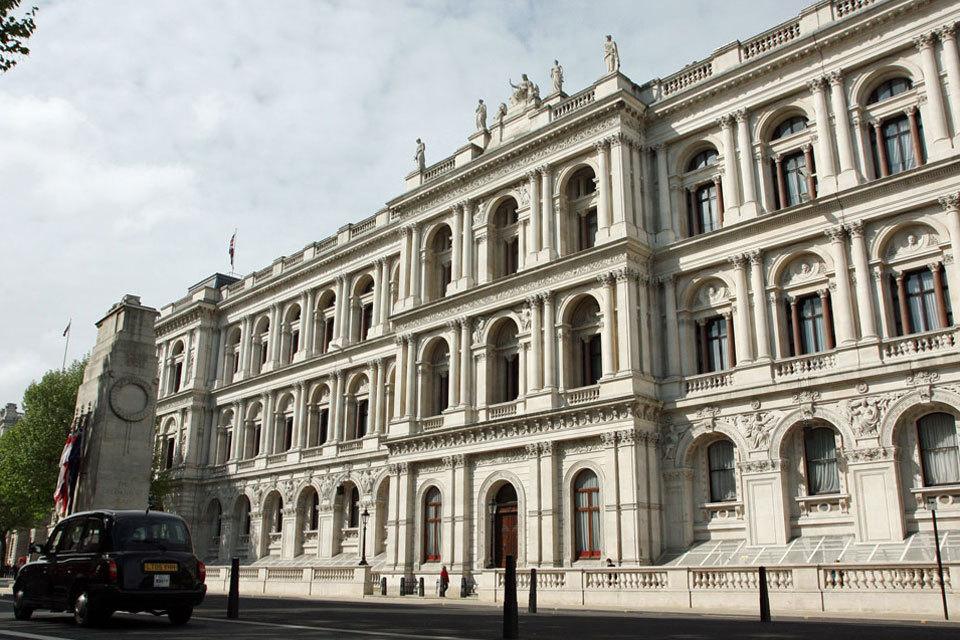
Yesterday, the Foreign Secretary of the United Kingdom, alongside the High Representative of the Union for Foreign Affairs and Security Policy and Vice-President of the European Commission, and the Prime Cabinet Secretary and Cabinet Secretary for Foreign and Diaspora Affairs of Kenya, convened a significant meeting of Foreign Ministers. The primary focus of the gathering was to highlight the security risks posed by the escalating climate and nature crisis.
The world is currently grappling with unprecedented challenges, including wildfires, droughts, crop failures, and extreme heat, all of which are severely undermining the resilience of communities, economies, and ecosystems globally. Vulnerable communities, particularly those already affected by fragility, conflict, or pressing humanitarian needs, are finding it increasingly difficult to adapt to the ongoing climate crisis.
Escalating Climate Extremes and Their Consequences
Recent months have demonstrated alarming climatic extremes, such as record sea surface temperatures in July, marking it as the warmest month on record for North America, Africa, and Asia, alongside persistent heatwaves across Europe. These extreme conditions are disrupting agricultural production and supply chains, significantly impacting food security and economic stability. The anticipated effects of El Niño are expected to further exacerbate existing vulnerabilities related to health, food, and water security. The tragic glacier collapse in Nepal, which resulted in numerous fatalities and missing persons, serves as a stark warning of the dire consequences that could arise if the climate crisis remains unaddressed.
During our discussions, it became apparent that the repercussions of global ecosystem degradation are intensifying and becoming systemic. There is growing concern that this degradation is prevalent across all regions, with a realistic threat that certain ecosystems may begin to collapse as early as 2030. The interconnected risks could lead to geopolitical instability, economic insecurity, conflict, displacement, and increased competition for dwindling resources.
Collective Commitment to Addressing Climate and Nature Crisis
As an international community, we have made notable progress in addressing climate change and the loss of nature through various initiatives focused on climate, peace, and security. However, recent events underscore the necessity for further action, especially with the impending impacts of El Niño. We must enhance our capacity to anticipate and respond to climate-related shocks. Our commitment to the Paris Agreement remains steadfast, and we are dedicated to its strengthened implementation to bridge the gap between current emissions trajectories and the required levels to maintain a 1.5°C limit. Additionally, we pledge to implement the Global Biodiversity Framework effectively and efficiently.
Our commitments include:
- Recognising the climate and nature crisis as a national and global security threat, wherein addressing its causes and consequences is vital for the security and resilience of future generations.
- Conducting comprehensive analysis and horizon scanning regarding climate and nature-related risks within our national and regional security frameworks.
- Building upon the successes of existing initiatives, sharing analyses, and enhancing cooperation, including joint risk assessments and contingency planning concerning the security implications of accelerating climate change and biodiversity loss.
Addressing Transboundary Risks Through Collective Action
We are committed to working collaboratively to tackle urgent transboundary risks that necessitate collective action, particularly in anticipating and responding to climate shocks and mitigating the effects of El Niño. Our focus includes:
- Accelerating efforts on fertilisers, food, and water security to alleviate the impacts of existing crises.
- Expanding early warning systems, anticipatory actions, and pre-arranged financing to lessen the immediate impacts of extreme climate and weather events, while enhancing adaptive capacity for longer-term resilience.
- Ensuring that multilateral development banks have crisis response toolkits that are suitable for an era characterised by frequent climate shocks, while promoting ongoing efforts to standardise these tools.
- Encouraging the IMF and World Bank to consider climate-related vulnerabilities and resilience-building investments within debt sustainability assessments.
- Urging UN agencies to incorporate climate security considerations and conflict-sensitive approaches, drawing on the expertise of the UN Climate Security Mechanism.
- Enhancing the recognition of nature and forests as vital infrastructure for resilience and security, exploring opportunities to integrate the protection and restoration of critical ecosystems into economic planning and decision-making.
- Promoting ongoing efforts by the UN under the Inter-Governmental Process on Beyond GDP to develop pragmatic economic growth models that incorporate climate and nature ecosystem resilience, informing the evolution of post-2030 Sustainable Development Goals (SDGs).
We anticipate reconvening on these critical issues at upcoming forums, including COP31, the World Bank and IMF annual meetings, and throughout 2027.




More Stories
UK Prime Minister to Meet German Chancellor Merz on 8th October 2026
Exciting New Business Centre Unveiled in Kyiv, Ukraine
RAF Marham Runway Repairs Enhance Operational Resilience and Capability