
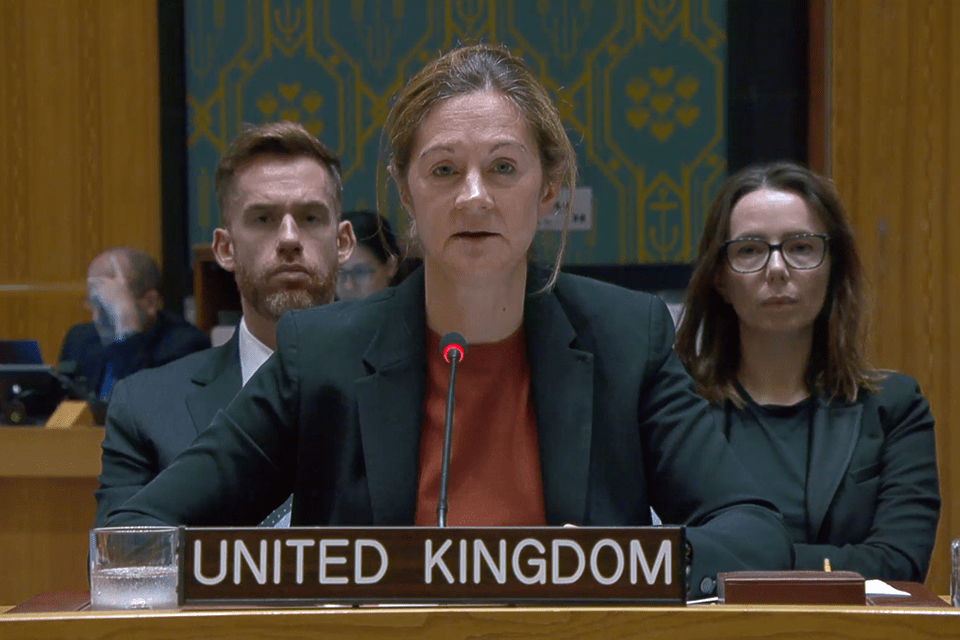
In recent days, the Houthi movement has intensified its reckless assaults on Saudi Arabia, escalated military operations within Yemen, and jeopardised international shipping alongside regional stability. Such actions have been met with strong condemnation from the United Kingdom.
Reports indicate that overnight attacks by the Houthis resulted in injuries to an additional 13 civilians, along with damage to homes and residential areas, and disruptions to commercial aviation. Furthermore, the Houthis are attempting to consolidate their control along Yemen’s Red Sea coast and in the vicinity of the Bab al-Mandeb Strait, actions that directly threaten one of the world’s most vital shipping routes and the freedom of navigation that underpins the global economy. The repercussions of these hostilities are acutely felt by developing nations.
The Houthis must bear full responsibility for this escalation of violence. The United Kingdom stands in solidarity with Saudi Arabia and the Government of Yemen as they confront these attacks, reaffirming their right to protect their security and sovereignty in accordance with international law.
Humanitarian Consequences of Continued Conflict
The humanitarian implications of Houthi actions are becoming alarmingly severe. Currently, over 126,000 individuals have been displaced, and this figure is expected to rise further. Humanitarian agencies have raised concerns regarding the situation in and around Marib, which is home to one of Yemen’s largest populations of displaced individuals. Alongside this displacement, there are increasing signs of food insecurity, as well as escalating health and protection needs, particularly affecting women and children.
Reports of civilian harm are growing, impacting displaced populations, civilian infrastructure, schools, homes, and other protected sites. Humanitarian access is becoming increasingly obstructed, hindering the delivery of essential assistance to highly vulnerable communities. The ongoing detention of humanitarian workers, UN personnel, and diplomatic mission staff by the Houthis is wholly unacceptable, and there is an urgent call for their immediate and unconditional release.
The Role of External Influences
This escalation of violence did not arise in isolation. Iran’s long-standing support for the Houthis continues to facilitate attacks that endanger civilians, neighbouring states, maritime security, and the prospects for peace. The resolutions set forth by the United Nations, including Resolutions 2140 and 2216, are unequivocal in their stipulations.
All Member States are obliged to fulfil their responsibilities, which include measures to prevent the transfer of arms and military support to the Houthis. The United Kingdom remains unwavering in its commitment to the UN-led peace process and supports the efforts of Special Envoy Grundberg. However, genuine progress towards peace is unattainable while the Houthis persist in their military offensive, continue to assault Saudi Arabia, threaten international shipping, and obstruct humanitarian efforts.
A Unified Call for De-escalation
Today, the Council must convey a clear and unified message: the Houthis must cease their attacks, release detained personnel, de-escalate immediately, and re-engage in the path towards peace. Only through such actions can there be a hopeful outlook for stability and humanitarian relief in the region.




More Stories
Exciting Opportunity: Join the MOJ LawtechUK Advisory Board and Become an Ambassador!
Taoiseach of Ireland Makes History as First International Leader to Visit No10 North
Military Families Empowered by New Housing Reforms: Enhanced Control Over Their Homes