
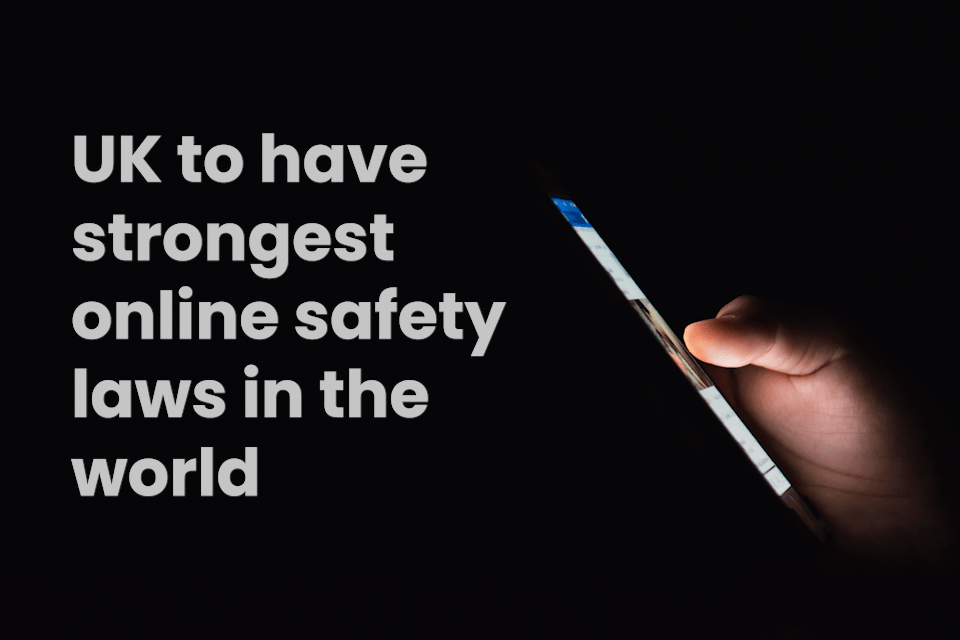
The Government is set to introduce new legislation aimed at preventing individuals under the age of 18 from taking, viewing, or sharing nude images. This initiative is a response to the rising incidents of sexual exploitation and abuse of children in the digital landscape, and it aims to establish rigorous safeguards across technology platforms.
Legislation to Enhance Child Protection Online
The proposed measures will impose legal obligations on technology firms to implement robust protective features on their devices. These safeguards will be designed to thwart grooming, exploitation, and abusive practices before children can be subjected to harm. The forthcoming legislation is expected to position the United Kingdom as a global frontrunner in online child safety, ensuring the country enacts the most comprehensive child protection laws worldwide.
Since June 8, discussions have been ongoing with major tech companies such as Apple and Google, with the goal of securing commitments that would make it unfeasible for minors to send, take, or view nude images. Although some progress has been made in these negotiations, officials believe that the advancements achieved thus far do not align with the Government’s ambitious objectives.
Consequently, the Government has announced its intention to legislate for device-level protections specifically designed for children. Additionally, it is contemplating regulations that would mandate apps frequently used by children to restrict access to or sharing of nudity, thereby fostering a safer online environment for young users.
Core Principles of the New Legislation
The legislative framework will adhere to several key principles. Firstly, it will be imperative that no one under 18 can take, view, or send nude images. This stipulation will require that such images are blocked across all device functionalities, including cameras and third-party applications.
Furthermore, parents and guardians should not be burdened with the responsibility of preventing their children from encountering nude content. Therefore, nudity detection filters will be activated by default to enhance protection.
Lastly, any user wishing to take, view, or send nude images must undergo a robust age verification process to confirm they are an adult. This shift places the onus on companies to verify user age rather than expecting children to navigate these safeguards on their own.
Government Commitment to Online Safety
Prime Minister Andy Burnham has emphasised the urgency of these measures, acknowledging parental concerns regarding the safety of children using smartphones. He noted that while tech companies have made some progress in addressing these issues, it has not been sufficient or swift enough, prompting the Government to take decisive action.
Burnham stated, “The protection will be built into the device and switched on by default. It will be for the companies to prove a user is an adult, not for a child to keep themselves out of harm’s way.” This marks a pioneering move, positioning the UK as the first nation to implement such stringent requirements.
Broader Context of Child Safety Initiatives
Lisa Nandy, Secretary of State for Culture, Media and Sport, reinforced the need for urgent action, stating that society would not tolerate a crisis affecting children in any other sphere, so it is unacceptable to do so online. She called upon tech companies to shift from planning to implementation swiftly, ensuring that progress translates into tangible protections for children.
Minister for Safeguarding and Violence Against Women and Girls, Satvir Kaur, reiterated the Government’s unwavering commitment to child safety, both offline and online. She asserted that the introduction of this legislation is crucial in addressing the escalating challenges technology poses to young people.
Data from the Internet Watch Foundation highlights the growing threat of online child exploitation, revealing that reports of child sexual extortion have surged dramatically. In 2024, a staggering 91% of online child sexual abuse reports involved self-generated content from minors, underscoring the urgent need for protective measures.
The Government remains dedicated to ensuring that every layer of the technological ecosystem contributes to safeguarding children from online dangers. Earlier initiatives have included banning social media services for users under 16 and implementing strict regulations on high-risk features, such as livestreaming and communication with strangers.
Additionally, features designed to prolong user engagement, such as auto-playing videos and personalised content feeds, will be disabled by default for those aged 16 and 17, ensuring consistent protections as they transition into later teenage years.



More Stories
Welfare System Reforms Expected to Generate £1.9 Billion in Savings by 2030/31
Neil Sachdev’s Tenure as Chair of HM Land Registry Extended: What It Means for the Future
UK Delivers Key Statement on Ukraine at IAEA Board of Governors Meeting – September 2026