
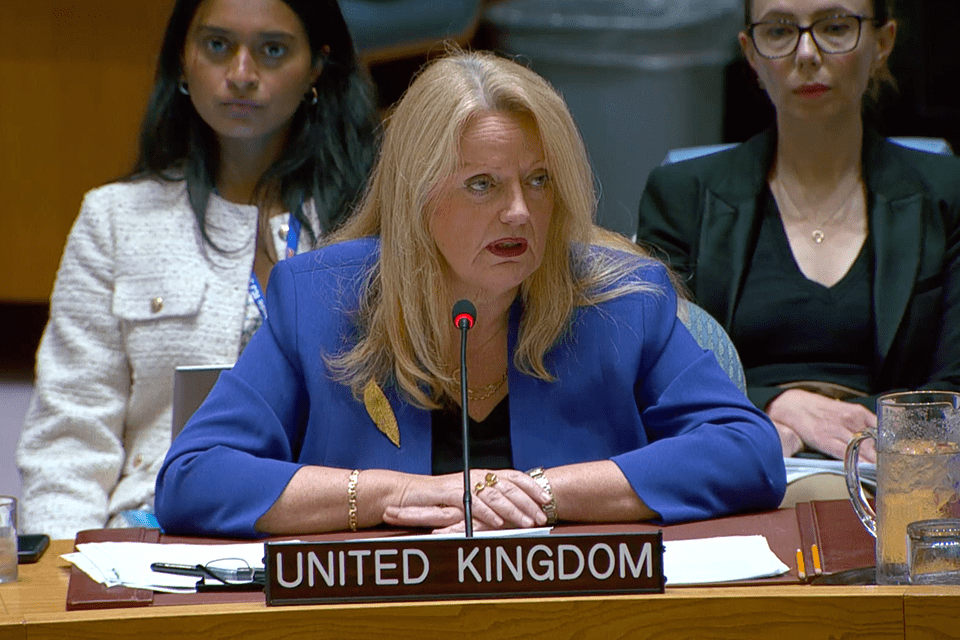
The United Kingdom extends its gratitude to the United States for their commitment to this vital mandate, which has been a focal point for the international community for over two decades in addressing the threats posed by Iran’s nuclear and missile programmes.
Throughout this period, the UK has consistently advocated for a diplomatic resolution to the ongoing tensions. Unfortunately, Iran has frequently opted for escalation rather than collaboration, creating a situation that necessitates the continued attention of the United Nations Security Council. This includes the expansion of its nuclear programme, which lacks any credible justification for civilian use, as well as the failure to engage constructively with the International Atomic Energy Agency (IAEA). Iran’s denial of access to IAEA inspectors has hindered the agency’s ability to verify crucial information regarding the size, composition, and location of Iran’s enriched uranium stockpile.
Historical Context of Sanctions
In response to these serious concerns, the Security Council established the 1737 sanctions committee concerning Iran in 2006, followed by the creation of a Panel of Experts in 2010. This panel was designed to assist the committee in monitoring the enforcement of the sanctions and to provide independent expert advice to ensure their effectiveness. Notably, both Russia and China supported these resolutions at the time.
However, two decades later, the world finds itself grappling with an Iran that continues to disregard its fundamental legal obligations regarding legitimate civil nuclear activities. The UK expresses disappointment that Russia and China have opted to veto today’s proposals, thereby shielding Iran and undermining the efforts of the Council aimed at preventing the nation from acquiring nuclear weapons.
Broader Implications of Vetoes
Regrettably, similar actions have been observed beyond the Iranian context. In March 2024, the veto exercised by Russia against the 1718 Panel of Experts effectively terminated 14 years of expert monitoring concerning the Democratic People’s Republic of Korea’s (DPRK) evasion of sanctions. Such actions have enabled Russia to facilitate the sanction evasion efforts of both Iran and the DPRK.
Moreover, Russia has received Iranian-designed Shahed drones and ballistic missiles from the DPRK, which have been deployed to support its aggressive military operations in Ukraine. While the vetoes from Russia and China may diminish the Council’s capacity to understand the implementation of sanctions, they do not alter the underlying principles.
Commitment to Non-Proliferation
It is important to note that sanctions aimed at curbing Iranian proliferation remain in full effect and are binding on all United Nations Member States. The United Kingdom remains committed to collaborating with all partners to pursue a negotiated settlement that reinforces the global non-proliferation framework and ensures that Iran is never permitted to acquire or develop nuclear weapons.



More Stories
Defending the UK and Space: Our Achievements in August 2026
UK Prime Minister’s Discussion with Denmark’s Frederiksen on 20 September 2026
Specialist Team Set to Enhance Cancer Care Services Across the UK