
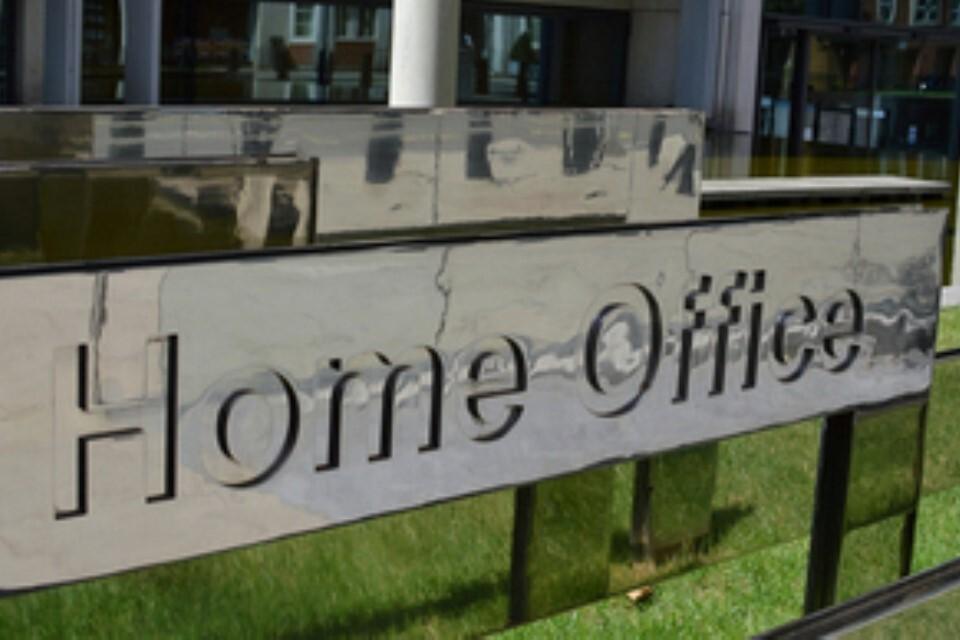
The police and intelligence agencies in the UK are now significantly better equipped to safeguard the public from individuals and groups engaged in hostile activities on behalf of foreign states, following the enactment of new legislation. The National Security (State Threats) Bill received Royal Assent on 8 July, fulfilling the government’s commitment to introduce powers akin to proscription to combat state threats, particularly in light of the recent surge in abhorrent antisemitic incidents.
Enhanced Powers for Law Enforcement
As part of these new provisions, the Home Secretary has been granted counter-terrorism style powers aimed at targeting groups acting in the interests of foreign states. This includes the potential for attacks on specific communities, the targeting of dissidents residing in the UK, and cyber assaults on critical national infrastructure. The Home Secretary now has the authority to officially designate foreign state organisations and state-linked groups involved in such activities, thus equipping police and intelligence agencies with the necessary tools to disrupt and deter these threats.
In instances where the Home Secretary deems it essential to designate an organisation, this decision will be made promptly and without unnecessary delay. Home Secretary Shabana Mahmood articulated the government’s resolve, stating, “Keeping our country and communities safe is the first duty of any government. That’s why we’ve taken decisive action to deal with the growing threat posed by aggressive foreign states.” She emphasised that the new legislation is a significant step towards dismantling hostile activities and enhancing the protection of communities, institutions, and democratic values across the nation.
Responding to State-Level Threats
Sir Ken McCallum, Director General of MI5, highlighted the ongoing threats posed by state actors employing aggressive tactics such as arson and sabotage to target individuals and disrupt daily life in the UK. He reiterated the importance of the new legislation, which builds on the powers established in the National Security Act 2023. This new framework is designed to address the increasing use of proxy organisations by states attempting to conceal their hostile intent.
Assistant Commissioner Laurence Taylor, Head of Counter Terrorism Policing, remarked on the vital nature of this legislation for the safety and security of the UK. He noted the reckless actions perpetrated by hostile states and their proxies, asserting that this new law provides Counter Terrorism Policing and their partners with enhanced options to combat those intent on harming British communities and society.
Criminalising Support for Designated Organisations
The new legislation establishes it as a criminal offence to express support for any organisation that has been designated, ensuring that individuals who glorify or encourage harmful activities will face prosecution. Additionally, it is now illegal to assist or receive payments from these designated organisations, making it increasingly difficult for foreign states to mask their involvement in hostile actions through proxy groups, including organised crime syndicates and front companies.
These offences complement the National Security Act 2023 by allowing designated proxy groups to be treated similarly to foreign intelligence services, thereby enabling law enforcement to disrupt their harmful activities effectively. However, the law does maintain provisions for lawful engagement with designated groups for diplomatic or humanitarian purposes, or for journalists and charity workers who have legitimate reasons for interacting with such entities.
Strengthening National Security Measures
The introduction of these measures significantly enhances the UK’s defences against the evolving complexity and scale of threats posed by foreign states. With an increased risk to lives and a heightened reliance on proxy groups to obscure their activities, the legislation aims to facilitate prosecutions and deliver a clear message regarding the serious consequences for those convicted under the new offences, which carry potential sentences of up to 14 years in prison.
The enactment of the National Security Act 2023 has substantially fortified the UK’s national security framework, providing law enforcement and intelligence agencies with comprehensive new capabilities to detect and disrupt hostile activities. This has already resulted in several charges and convictions, including those of individuals linked to Russia, such as Dylan Earl and Jake Reeves, for their involvement in an arson attack in east London, as well as Peter Wai and Chung Biu Yuen for targeting Hong Kong nationals within the UK.



More Stories
Prime Minister Proposes Collaboration with Holyrood to Empower Scottish Regions
Recent Weekly Surveillance Data on Winter Viruses in the UK
£2 Million Worth of Counterfeit Weight Loss Pens Seized by MHRA and West Midlands Police