
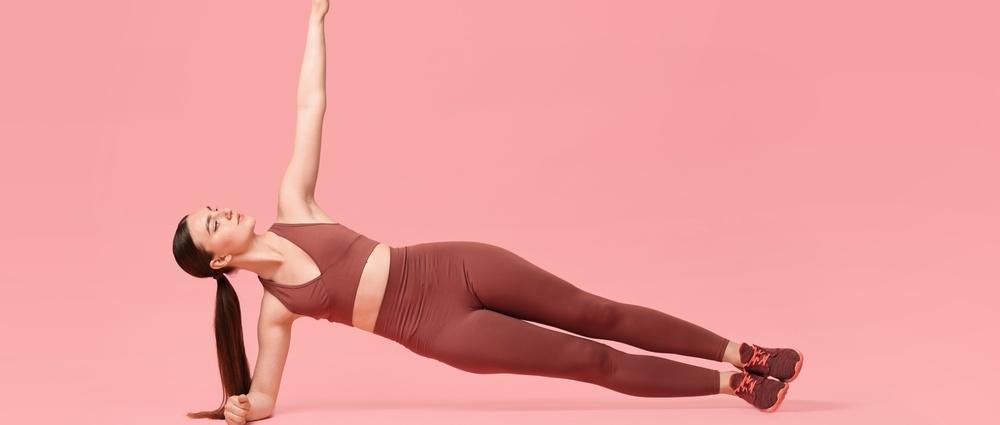
The Importance of Core Strength Exercises
Strengthening your core is vital for overall health and fitness, extending benefits beyond merely achieving toned abdominal muscles. Engaging in core-strengthening exercises can enhance your balance, stability, and posture, while also helping to prevent or alleviate back pain. Most importantly, these exercises can be performed in the comfort of your own home, offering a versatile approach to fitness.
When discussing core strength, many people automatically think of the abdominal muscles; however, the core encompasses a broader range of muscles throughout the body, including those in the trunk, chest, back, and glutes. These core muscles play a crucial role in nearly every movement, providing stability, initiating motion, and transferring force between different parts of the body. Located primarily around your trunk, these muscles protect vital organs and maintain bodily integrity.
Benefits Beyond Aesthetics
Understanding how to strengthen your core offers advantages that go far beyond aesthetic goals, such as the pursuit of ‘six-pack abs’. According to physiotherapist Louise Richardson, enhancing core strength is essential for maintaining good posture, balance, and muscle function, all of which contribute significantly to your overall mobility and strength in daily activities.
“The core is fundamental in enabling various movements, whether it’s reaching for something on a high shelf, bending down to tie your shoes, or carrying items,” she explains. “It’s easy to overlook its importance, but a strong core is key to everyday functionality.”
If you are keen to bolster your core strength, the good news is that you can do so from home, often without the need for specialised equipment. An exercise mat may be beneficial, especially since many core exercises involve lying or sitting on the floor.
Incorporating Weights for Enhanced Results
While bodyweight exercises can effectively strengthen the core, incorporating weights can elevate the difficulty and further enhance strength. Beginners should approach this gradually to minimise the risk of injury. As your core muscles develop, one effective way to increase the challenge is to hold a dumbbell while performing sit-ups, which can yield improved results over time.
Additionally, utilising a balance board during plank exercises can test your stability, demanding greater engagement from your abdominal muscles. There is a wide array of exercises available to build core strength, and a combination of these will yield the most effective outcomes.
Recognising Weakness in Your Core
How can you tell if your core muscles are weak? Richardson highlights that symptoms such as lower back pain, poor posture, shortness of breath, and difficulties with balance may indicate a weak core. A strong and flexible core acts as a supportive framework for your body, allowing for efficient movement and stability.
When core muscles are weak, individuals often resort to slouching, which can exacerbate posture issues. This creates a cycle where the core muscles become less efficient, requiring more energy for movement, ultimately leading to further weakness. Such dysfunction can be debilitating, as research suggests that core stability significantly influences the balance of loads within the spine, pelvis, and kinetic chain.
Effective Core Exercises to Try
Among the most well-known core exercises, sit-ups are performed by lying face-up with your knees bent at a 90° angle, then engaging your core to lift your upper body toward your knees before slowly lowering back down. Crunches follow a similar position but only involve lifting your shoulders and head off the floor before returning.
Although crunches isolate the upper abdominal muscles, they can still contribute to toning. Plank holds involve maintaining a straight body line, supported only by your toes and forearms, and can be held for 30 to 60 seconds based on your fitness level.
Leg raises begin with lying face-up, lifting your straight legs until your bottom slightly raises off the ground, then lowering them just above the floor for a moment. Another effective exercise is the Russian twist, where you sit with bent knees and lean back slightly to form a V-shape, twisting your torso from side to side while keeping your legs stable.
Exploring Pilates for Core Strength
Pilates, which combines elements of calisthenics and ballet, is an excellent method for building strong, lean muscles and enhancing body length. Fitness expert Rebecca Convey notes that Pilates strengthens the core, promotes good posture, and encourages a lifted spine, resulting in a more elongated waistline.
“By effectively engaging the right muscles, Pilates not only improves posture but also fortifies the abdominal region,” she adds. “Flexibility gains in the chest, shoulders, and spine can enhance your ability to activate the core correctly.”
While many associate fitness with cardiovascular activities like walking or running, it is crucial not to overlook the numerous advantages that strength training offers. Building a robust core is foundational to maintaining an active lifestyle and improving overall well-being.




More Stories
Discover the Health Insights Hidden in Your Waist Measurement
Can Nuclear Regulation Ensure Safety for People and the Environment While Fostering Innovation? Transitioning from Potential to Sustainable Progress
Cortisol Face: Debunking the Social Media Myth and Uncovering the Medical Truth