
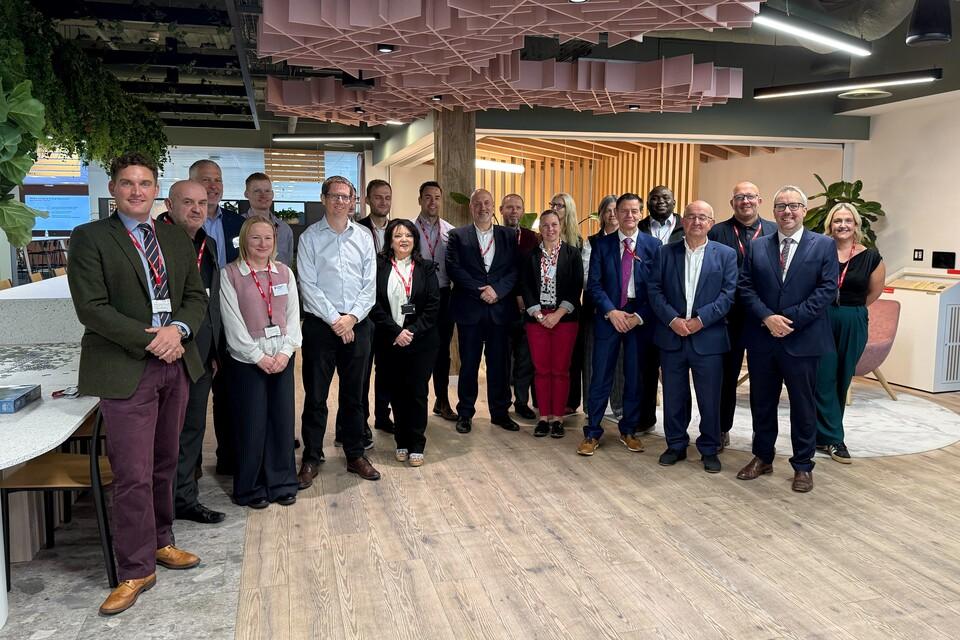
The UK Alpha Resilience and Capability (ARC) Programme has officially concluded, leaving behind a commendable legacy of technical innovations, established standards, acquired knowledge, collaborative teamwork, and enduring relationships within the nuclear sector.
Since its inception, the programme has successfully brought together organisations from both the civil and defence nuclear sectors, aiming to address shared challenges, enhance resilience and capabilities, and accelerate the dissemination of knowledge and expertise throughout the industry.
By fostering collaboration among its partners, the programme has enabled the development of joint solutions that yield greater benefits than if each entity had pursued its objectives in isolation. This success has been underpinned by the dedication and expertise of a range of partner organisations, including:
- Department for Energy Security and Net Zero (DESNZ)
- Nuclear Decommissioning Authority (NDA)
- AWE Nuclear Security Technologies
- Office for Nuclear Regulation (ONR)
- Sellafield Ltd
- Ministry of Defence (MoD)
- UK National Nuclear Laboratory (UKNNL)
- Nuclear Restoration Services (NRS)
- Nuclear Transport Solutions (NTS)
These organisations contributed invaluable knowledge, resources, and leadership that facilitated the creation of solutions designed to enhance capability across the UK nuclear industry.
Building Professional Networks and Collaborative Culture
One of the programme’s most significant accomplishments is the establishment of robust professional networks and a culture of collaboration within the sector. The investments and initiatives from all participating organisations have enabled the programme to deliver a comprehensive portfolio of products, including standards, frameworks, training solutions, and Communities of Practice to support both current and future Alpha programmes.
Among the key achievements of the programme are:
- Development of comprehensive engineering standards and guidance that mitigates risks to national programmes
- Creation of the non-active Glovebox Training Facility, which has expedited capability development
- Introduction of collaborative platforms and digital knowledge-sharing tools that enhance resilience across the sector
Dale McQueen, the senior sponsor of the UK ARC Programme, remarked, “ARC has demonstrated the power of enterprise-wide collaboration. By integrating expertise from across the UK nuclear sector, the programme has produced solutions that no single organisation could have achieved alone.”
Lasting Impact on the Nuclear Sector
The legacy of the ARC Programme transcends its tangible products and standards; it encompasses the relationships formed, the knowledge-sharing communities established, and the collaborative practices fostered that will continue to strengthen the sector for years to come.
Scott Bazley, programme manager for the UK ARC Programme, stated, “ARC has illustrated what can be accomplished when civil and defence organisations unite for a common objective. Over the past six years, we have provided standards, guidance, collaboration tools, and lasting networks that will continue to deliver value even after the programme concludes.”
He emphasised that the most crucial outcome of ARC has been the cultivation of a culture of collaboration and trust, which serves as a solid foundation for future cross-sector initiatives.
Recognising the Partnership’s Achievements
Richard Gibson, Vice President for Legacy Sites at UKNNL, expressed pride in being a key partner of ARC since its launch in 2020. He described it as a pioneering partnership between civil and defence nuclear sectors for the UK’s alpha missions. Gibson highlighted the tangible benefits realised through the partnership, such as the creation of shared engineering standards and robust Communities of Practice and knowledge management systems.
As the ARC Programme concludes, its contributions to the nuclear sector are expected to resonate for years to come, providing a strong foundation for future advancements and collaborations.




More Stories
GAD Modelling Enhances Pandemic Preparedness Efforts in the UK
Global Experts Gather in London to Address Emerging Threats from Chemical Weapons
UK Firms Win £330 Million in African Infrastructure Contracts