
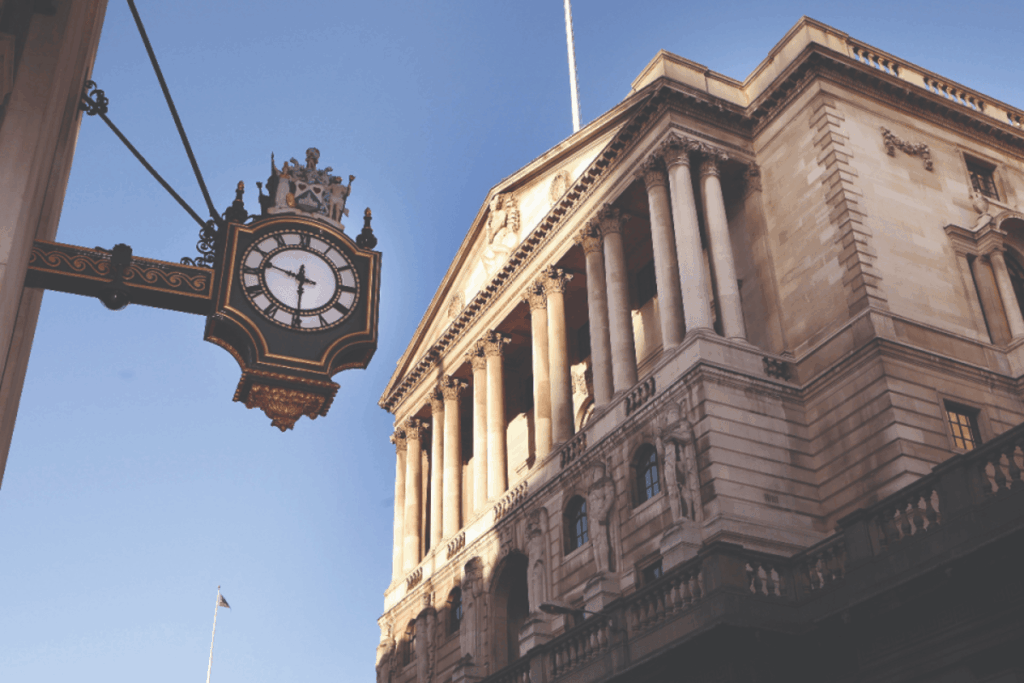
Recent findings from a survey conducted by the Bank of England indicate that businesses are bracing for a potential surge in inflation over the coming year. This alarming sentiment could lead to an increase in interest rates, impacting both consumers and the broader economy.
Business Concerns Over Inflation
The survey reveals that a significant number of firms are expressing concerns about rising prices, suggesting that they foresee a continuation, or even an escalation, of inflationary pressures. This outlook reflects the challenges businesses face in managing costs and adapting to fluctuating economic conditions. With many sectors still recovering from the aftermath of the pandemic and global supply chain disruptions, the prospect of heightened inflation poses a serious threat to economic stability.
As companies navigate these uncertainties, the implications for monetary policy become increasingly pronounced. The Bank of England may be compelled to consider adjustments to interest rates as a response to these inflationary forecasts, which can have wide-ranging effects on borrowing costs, investment decisions, and consumer spending.
The Role of the Bank of England
The Bank of England plays a critical role in monitoring inflation and setting interest rates to maintain economic stability. Should inflation expectations rise significantly, the central bank might opt to increase rates in an effort to temper spending and investment, which could, in turn, help to control price increases. This delicate balancing act is vital for fostering a sustainable economic environment as the nation seeks to recover from recent economic upheavals.
Moreover, the Bank’s decisions are influenced not only by domestic factors but also by global economic trends. As central banks worldwide grapple with similar inflationary pressures, the interconnectedness of the global economy adds another layer of complexity to the Bank’s policy-making process.
Implications for Consumers and Businesses
An increase in interest rates could have significant ramifications for both consumers and businesses. For households, higher borrowing costs may translate into increased mortgage repayments and loan interest, potentially curtailing disposable income and spending power. For businesses, more expensive credit could hinder investment plans and expansion efforts, thereby affecting job creation and economic growth.
The uncertainty surrounding inflation and interest rates necessitates that both consumers and businesses remain vigilant and adaptable. As economic conditions continue to evolve, the ability to respond to these changes will be paramount in navigating the challenges ahead.
Future Economic Landscape
As the Bank of England assesses its next steps in light of these survey findings, the focus will undoubtedly remain on managing inflationary pressures while fostering economic growth. The coming months will be critical in determining how these factors will unfold and what measures may be implemented to support the economy.
In this environment of uncertainty, stakeholders across all sectors must remain informed and prepared to respond to the implications of changing interest rates and inflation trends. The outcome will not only shape the immediate economic landscape but will also influence longer-term strategies for recovery and growth.


More Stories
Aldi’s Debt Soars by £100 Million Amid Falling Profits at Discount Supermarket
Drenched in Delight: Exploring the World of Whisky and Whiskey
Gordon Ramsay’s Restaurant Empire Surpasses £100 Million, with Lucky Cat Shining as the Star Performer