
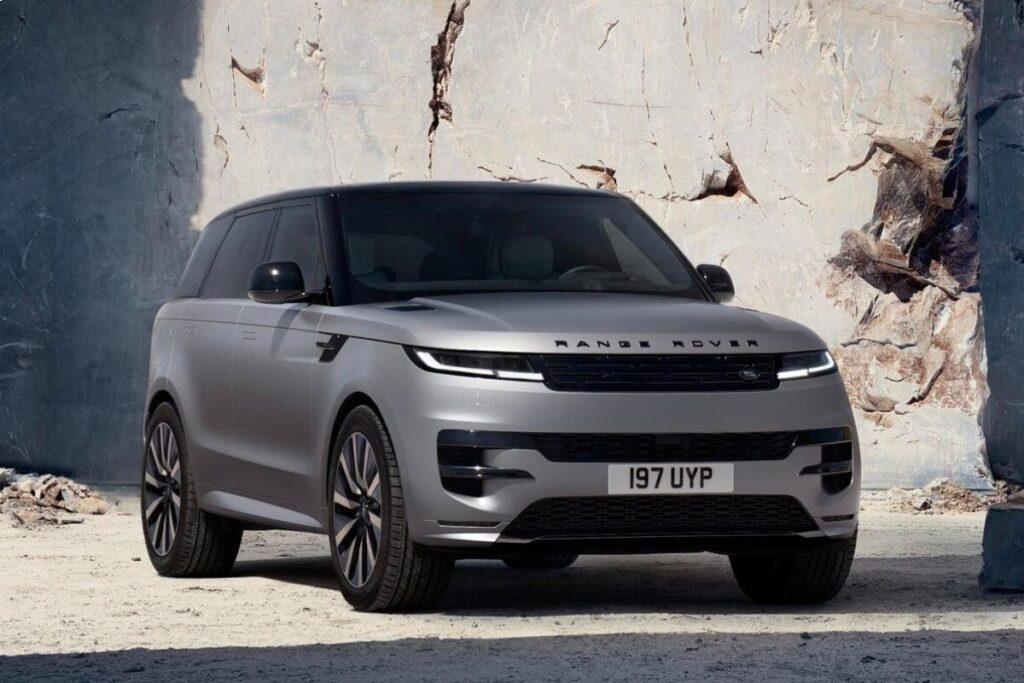
The inaugural electric Range Rover comes with a higher purchase price compared to the V8 model; however, for a company car driver facing a 40% tax bracket, the tax liability to HMRC could be approximately £19,000 less annually. The recent Budget announcement has established company car tax rates through to the 2030/31 financial year, further widening the financial advantages of choosing the electric variant.
Pricing and Market Position
The Range Rover Electric was launched for sale in September, starting at a price of £154,070. This positions it as a premium option in the electric vehicle market, reflecting both its luxury branding and advanced technology. The price point, while significant, must be weighed against the potential long-term savings on tax for company car users, making it a compelling choice for those in higher tax brackets.
Tax Incentives and Financial Implications
With the new tax rates now confirmed until 2030/31, company car drivers can expect a substantial decrease in their tax burdens when opting for electric vehicles. This is particularly relevant for those who typically face higher tax liabilities, as the financial benefits of switching to an electric model become increasingly attractive. In the case of the electric Range Rover, the lower annual tax payment can significantly offset the initial higher cost of acquisition, enhancing its overall appeal.
Future of Electric Vehicles in the Luxury Market
The introduction of the electric Range Rover is indicative of a broader trend within the luxury automotive sector, where manufacturers are increasingly investing in electric technology. As the market evolves and more models become available, the financial incentives provided through tax reductions will likely play a crucial role in influencing consumer choices, particularly among corporate drivers seeking to balance luxury with sustainability.


More Stories
Sandpapergate: Cricket Australia Must Address Demand for New Independent Inquiry
Inflation Emerges as Voters’ Primary Concern Amidst Escalating Iran Conflict
Why the Net Zero Agenda Could Be Detrimental for the UK