
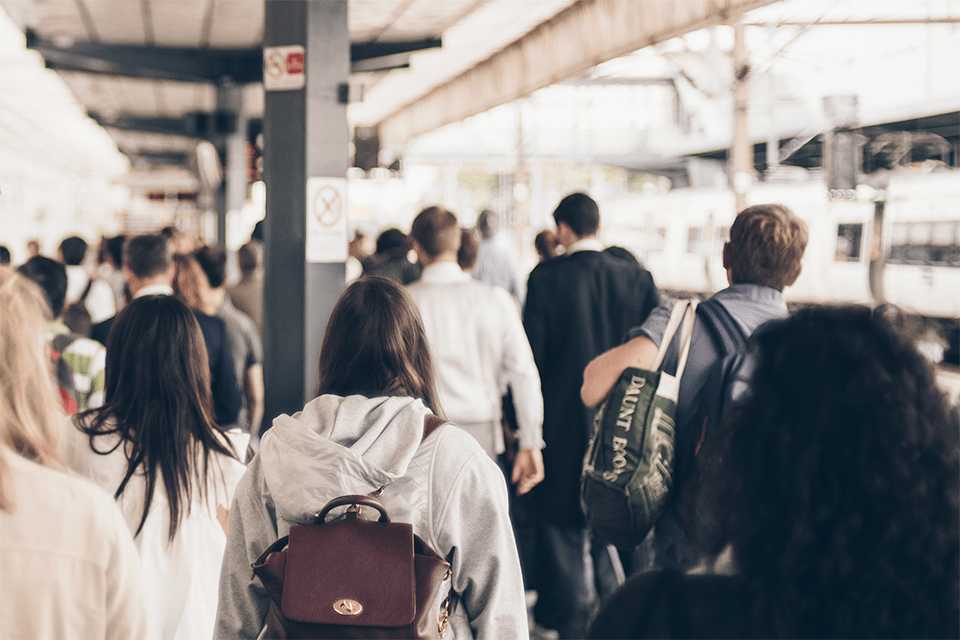
In a significant reform aimed at improving the passenger experience, from Sunday, 20 September 2026, individuals whose trains are cancelled will be able to board services operated by other companies at no additional cost. This initiative is designed to eliminate the uncertainty often faced by travellers stranded at stations due to cancellations, as well as the financial burden associated with purchasing new tickets at the last minute.
Currently, the existing system tends to favour shareholders over passengers, leaving many to wait on platforms while trying to decipher whether their tickets will be accepted on alternative trains. This often results in hurried attempts to catch a different service, unnecessary expenditures on replacement tickets, or even the abandonment of journeys altogether, causing missed appointments and disrupted plans.
New Measures to Enhance Passenger Convenience
The forthcoming changes aim to bring a more passenger-focused approach to rail travel, heralding the establishment of Great British Railways (GBR), which will place public service at the forefront of the railway system.
Under the new regulations commencing on 20 September 2026, any passenger whose train is cancelled will be permitted to transfer to another service operated by a different company without incurring extra costs. Those holding a valid ticket will be able to travel on an alternative train run by a participating operator, departing within two hours before or after their original service, provided they choose a direct or reasonable alternative route. Passengers will need to present their original ticket to staff on the new service as proof of purchase, with no need to acquire a new ticket.
While cross-operator ticket acceptance is already functional among all publicly owned operators, the upcoming changes will introduce additional companies into the scheme, including CrossCountry, Great Western Railway, Avanti West Coast, and Chiltern Railways. This expansion will facilitate journeys for thousands more passengers across key intercity routes throughout the UK.
Government Commitment to Rail Reform
Rail Minister Lord Hendy remarked on the significance of this change, stating, “This is a simple, common-sense change that puts passengers first. No one should be left stranded because of a fragmented railway when their journey is disrupted.” He emphasised that from this weekend, passengers can board another operator’s service without the need for further payment if their train is cancelled.
As the government undertakes these reforms to create a simpler, fairer, and more accessible railway system, it is moving towards the establishment of GBR, ensuring that public service remains central to the railways.
Participating Operators and Future Developments
The expansion of ticket acceptance will include the following operators, with East Midlands Railway set to join the initiative at a later date:
- c2c
- Gatwick Express
- Greater Anglia
- Great Northern
- LNER
- London Northwestern Railway
- Northern
- Southeastern
- Southern
- Thameslink
- South Western Railway
- Transpennine Express
- West Midlands Railway
- Avanti West Coast (new)
- Chiltern Railways (new)
- CrossCountry (new)
- Great Western Railway (new)
This initiative reflects the government’s pragmatic approach to reforming the often complex and outdated rail fare system in anticipation of the establishment of GBR.
Additionally, the government has committed £156 million to enhance ticketing methods, aiming to introduce pay-as-you-go options at over 100 more stations across Greater Manchester, the Midlands, and the south-east by 2027. The introduction of digital ticketing will enable passengers to download an app that employs GPS to monitor journeys and calculate the best fares without requiring physical check-ins or advance ticket purchases.
Future Accessibility and Passenger Support
In conjunction with these changes, a new GBR website and app are in development, designed to serve as a comprehensive platform where passengers can purchase tickets, check train schedules, and access support in a user-friendly interface.
Alex Robertson, Chief Executive of the independent watchdog Transport Focus, welcomed the reforms, stating, “When passengers are delayed, they just want to get where they need to be, not worry about whether their ticket will be accepted on another train.” He expressed hope that this change would simplify matters for passengers during cancellations, highlighting the importance of clear communication regarding their options during times of disruption.



More Stories
Defence Sector and Industry Join Forces with Launch of New Collaboration Hub at RAF Wyton
UK and US to Connect Fusion Supercomputers Across the Atlantic for Groundbreaking Research
Approval Granted for Morgan and Morecambe Offshore Wind Farms Transmission Assets Development