
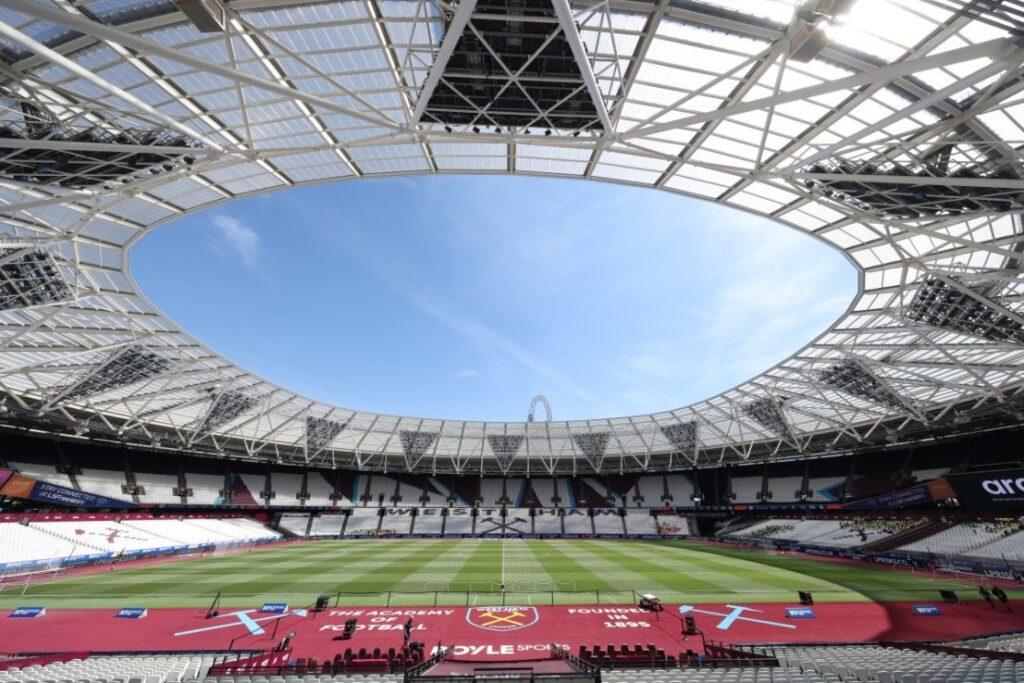
The Labour Party has urged Mayor Sadiq Khan to consider the sale of the London Stadium to West Ham United as a measure to alleviate financial burdens on taxpayers. This proposal comes amid ongoing discussions regarding the management and operational costs associated with the venue, which has been a source of contention since its conversion from the Olympic Stadium.
Financial Viability and Operational Costs
In recent years, the London Stadium has generated significant debate surrounding its financial implications. With maintenance and operational expenses falling heavily on local taxpayers, the Labour Party believes that transferring ownership to West Ham could lead to a more sustainable financial model. By allowing the club to take full control, the stadium could potentially thrive as a commercial enterprise, benefiting both the team and the local economy.
Supporters of the initiative argue that West Ham’s investment in the stadium could enhance its facilities and attract larger events, thereby increasing revenue. The club already has a vested interest in the venue, having entered into a long-term leasing agreement, and is positioned to manage it more effectively than the local government.
Political Implications and Local Response
Mayor Khan has faced criticism over the management of the London Stadium, with opponents questioning the effectiveness of his administration’s approach to public assets. The Labour Party’s suggestion reflects a growing sentiment among some constituents who are eager for a solution that prioritises financial efficiency without compromising the stadium’s role in London’s sporting landscape.
Local residents and fans have expressed mixed feelings about the potential sale, with some concerned about losing public access to the stadium, while others see it as a necessary step towards fiscal responsibility. The dialogue surrounding this proposal highlights the complexities of managing public assets in a city that prides itself on its sporting heritage.
Future Considerations for the London Stadium
As discussions continue, the future of the London Stadium remains uncertain. Should the sale be pursued, it will require careful negotiation to balance the interests of the city, the football club, and the community. The Labour Party’s call to action presents an opportunity for a strategic reassessment of how such public facilities are managed, potentially setting a precedent for similar cases in the future.
Ultimately, the decision to sell the stadium will hinge on various factors, including economic forecasts, public opinion, and the long-term vision for sports in London. As stakeholders engage in this critical conversation, the outcomes will likely shape the sporting landscape of the capital for years to come.




More Stories
Goldman Sachs Welcomes Badenoch for Strategic City Engagement Event
Royal Antwerp Case: A Crucial Test for the EU’s Commitment to Protecting Football Fans’ Rights
Musk and Anthropic Launch Billion-Dollar Initiatives to Mitigate AI Backlash