
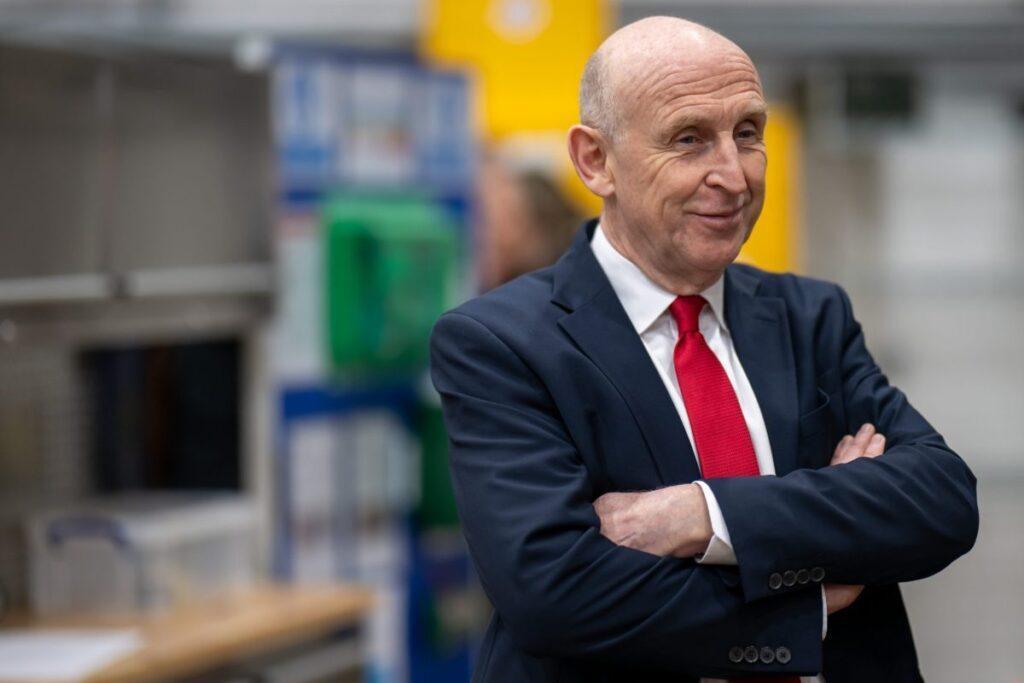
Chancellor Prepares for Minimum Wage Increase
Chancellor John Healey is set to announce a significant increase in the minimum wage during the upcoming Budget, with plans to raise it by nearly four per cent, bringing the rate to £13.20. This adjustment is anticipated to have a considerable impact on workers across the UK, enhancing their earnings amid the ongoing cost-of-living crisis.
The proposed increase reflects the government’s commitment to improving the financial conditions for low-income earners, acknowledging the rising expenses that many families are facing. This move aims to alleviate some of the financial pressures on the most vulnerable sectors of society, potentially benefiting millions of workers.
Economic Implications of the Wage Rise
As the government prepares to implement this wage hike, economists are closely examining the potential repercussions for the broader economy. While an increase in the minimum wage can lead to higher disposable income for workers, it may also result in increased costs for businesses, particularly in sectors heavily reliant on minimum wage labour.
Many business owners are expressing concerns about the sustainability of such wage increases, fearing that they could lead to reduced hiring or even job losses if companies struggle to absorb the added costs. The Chancellor’s proposal will likely spur discussions around balancing fair pay with the economic viability of businesses, particularly in a challenging economic landscape.
Public Reaction and Future Considerations
The public response to the proposed increase in the minimum wage has been mixed. Many advocacy groups and labour unions have welcomed the decision, viewing it as a necessary step towards ensuring a fairer living standard for all workers. However, there are also voices of caution, urging the government to consider the long-term effects on employment and business operations.
As the Budget approaches, the government will need to navigate these complex dynamics, ensuring that the wage increase does not inadvertently hinder job growth or economic recovery. The Chancellor’s announcement will be closely monitored, with stakeholders eager to understand how this policy will shape the future of work in the UK.



More Stories
The Defence Strategy: Insights from Russell Brand’s Barrister
FTSE 100 Live Updates: Stocks Drop as Tech Sector Declines Following Jensen Huang’s Nvidia Departure
US Passenger Takes Legal Action Against British Airways for £50,000 After Slipping on Wet Plane Steps