
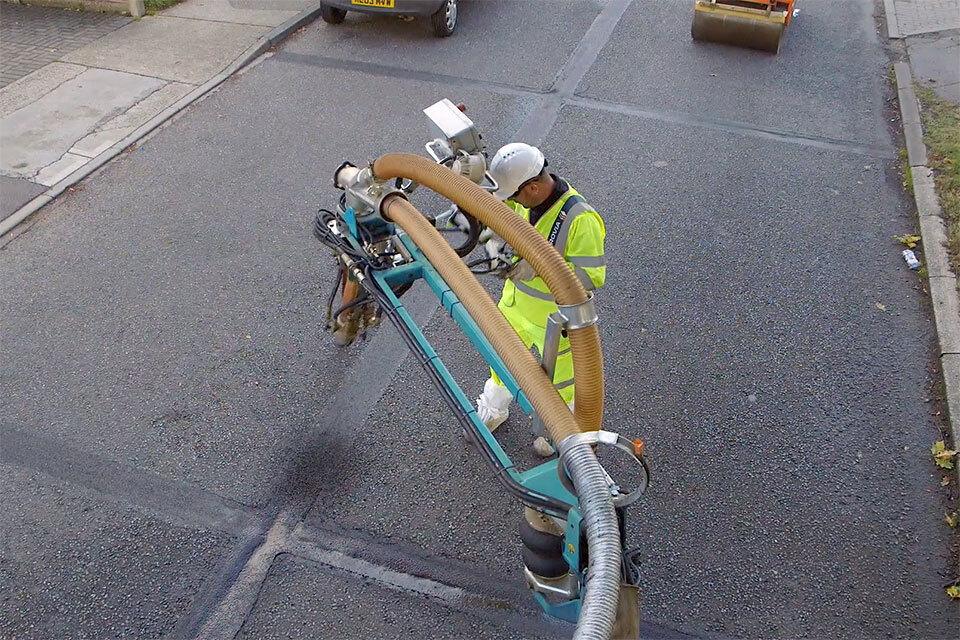
Recent reports indicate a significant increase in expenditure on road maintenance, as local councils have allocated over £800 million more than two years ago, aiming to assist motorists in avoiding unexpected repair costs. This year, nearly 7,000 miles of road resurfacing is set to be completed, representing a 10% rise compared to the previous year. In a further commitment to improving road conditions, the government has announced the release of an additional £220 million to councils across England, specifically targeting pothole repairs nationwide.
Ambitious Resurfacing Goals
According to newly released figures, the extensive resurfacing work planned for this year is equivalent to the distance between London and Singapore. Data from local councils reveals that there has been a more than 10% increase in resurfacing activities compared to last year, suggesting a serious investment in road infrastructure. In total, councils are projected to spend £4.9 billion this year, marking an £800 million rise since the current government took office.
This substantial investment reflects the government’s broader initiative, which includes a £7.3 billion funding package for road maintenance aimed at alleviating the burden of potholes. This funding is expected to save the average driver close to £600 in repair costs, which have been exacerbated by poor road conditions.
Incentives for Performance Improvement
In light of the newly released data, the government has introduced an additional £220 million in performance-related funding for councils throughout England. This incentive-based funding will be allocated based on councils meeting specific targets, with further funds contingent upon their performance. This approach aims to ensure accountability and encourage councils to enhance their maintenance efforts effectively.
Potholes remain a significant concern for drivers, affecting daily commutes, school runs, and essential journeys. However, the combination of record funding and stringent measures to hold local councils accountable underscores the government’s commitment to improving transport infrastructure. This is further evidenced by recent initiatives targeting antisocial behaviour in public transport, including fines for disturbances on buses and trains.
Government’s Commitment to Road Safety
Transport Secretary Heidi Alexander addressed the issue, stating, “For too long, potholes have been a source of national embarrassment, forcing hard-working individuals to incur repair costs and endangering all road users. Today’s figures reflect our progress in addressing this critical issue.” She acknowledged that, while there is still much work to be done, the combination of record funding and new accountability measures is facilitating smoother journeys for drivers.
According to reports submitted by councils, an impressive 94% will undertake preventative roadworks this year, aiming to mitigate the recurrence of potholes by addressing issues before they escalate. This marks a notable increase from last year, where only 76% engaged in such proactive measures. The shift in strategy signifies a positive response to government direction, increased funding, and enhanced monitoring, ultimately benefiting drivers financially.
Improving Local Road Conditions
Additional statistics released last week indicate an improvement in local road conditions during the year ending in March 2026, with fewer minor roads requiring maintenance due to previous resurfacing efforts.
Dan Joyce, Operations Director at Kwik Fit, commented on the situation, stating, “Our teams have frequently dealt with damage caused by potholes, particularly affecting tyres, wheels, and suspension components. This increased investment, especially focused on proactive maintenance, is welcome as it helps prevent the emergence of potholes that pose risks to road safety and financial strain on drivers.”
Positive Developments in Road Maintenance
Simon Williams, head of policy at the RAC, expressed optimism regarding the latest data. He noted the encouraging trend in resurfacing and highlighted the importance of preventative maintenance, which has long been emphasised as crucial in preventing potholes rather than merely addressing them post-formation. He remarked, “While it is positive to see so many miles of road being resurfaced, the ultimate test will be whether drivers and other road users experience a noticeable improvement. Achieving and maintaining acceptable road standards is a gradual process, but we are certainly moving in the right direction.”
For further media enquiries, please contact: 0300 7777 878 for media inquiries or 0300 330 3000 for the switchboard.



More Stories
Cowardly Killers Evading Sentencing to Face Stricter Prison Punishments in New Legal Measures
Blackpool, Milton Keynes, Sheffield, and Wrexham Compete for Prestigious UK City of Culture 2029 Title
Important Updates from the Certification Officer: What You Need to Know