
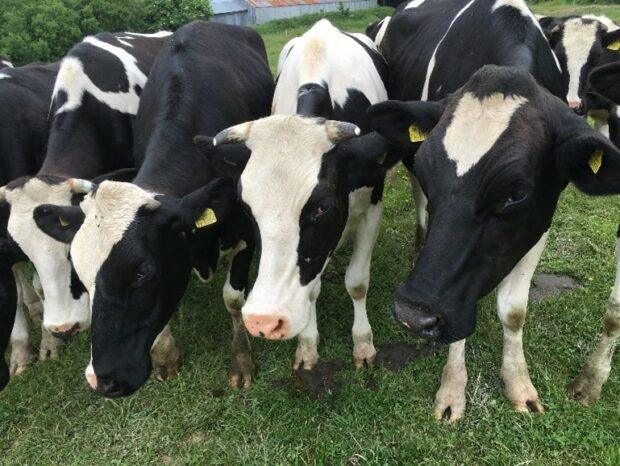
Water is an invaluable resource essential for life, serving multiple purposes such as providing drinking water, supporting fisheries, and functioning as a critical asset for businesses and agriculture. Moreover, it offers recreational opportunities. To meet the demands of society, the economy, and wildlife sustainably, it is imperative that our rivers, lakes, estuaries, coastal areas, wetlands, and groundwater are managed effectively.
The impact of climate change is increasingly evident, with rising temperatures leading to prolonged summers and more intense rainfall during winters. These changes heighten the risks of drought and flooding, necessitating a robust response from various sectors.
The Role of the Environment Agency
The Environment Agency plays a pivotal role as a regulatory body during periods of extended dry weather and drought. Its responsibilities include monitoring environmental conditions, protecting sensitive habitats, and collaborating with water companies and other abstractors to ensure the security of water supplies. By working closely with water abstractors, the agency aims to balance the needs of the public, industry, farmers, and the environment, fostering long-term resilience in water resources.
All sectors must proactively plan and invest for all potential weather scenarios and future droughts, particularly given the ongoing challenge of securing England’s water supply amidst a growing population, urbanisation, and climate change. A range of resources and links have been compiled to assist stakeholders in navigating these challenges.
If you have any inquiries, you can contact the National Customer Contact Centre for guidance at 03708 506 506.
Farm Visits and Water Supply Regulations
The Environment Agency is currently conducting visits to farms, focusing on private water supplies and the regulations governing water abstraction from natural resources. If you possess a private water supply, it is crucial to consider how much water you are extracting and whether you require a licence for this activity.
Comprehensive information regarding abstraction licences can be found online, detailing whether you need a licence to abstract water and under what circumstances. The agency is collaborating with the agricultural sector to develop Water Resources Management Plans aimed at enhancing supply resilience.
Understanding Water Abstraction
Water abstraction refers to the process of extracting water from natural sources—such as rivers, lakes, streams, springs, groundwater wells, boreholes, or the sea—for various uses, including irrigation, industrial activities, recreation, flood management, and water treatment for drinking purposes. For non-water company abstraction licence holders affected by prolonged dry spells, specific guidance is available online, which includes monthly reports on local water conditions.
Various resources are at your disposal to assist with managing water supplies effectively, such as advice on irrigation practices and information for livestock farms facing water supply issues. It is essential to stay informed about the latest data and recommendations to navigate challenging conditions.
Regulatory Framework for Abstraction Licences
Holders of abstraction licences must adhere to the agreed terms and conditions. Notably, abstractions of 20,000 litres (20 cubic metres) per day or less are exempt from licensing requirements, provided that they form part of a single operation. However, if multiple points are used for abstraction from the same source, the exemption applies only if the total combined abstraction remains within the limit.
In the absence of a licence, it may be feasible to negotiate an agreement with an existing licence holder to utilise part or all of their abstraction rights. This process is referred to as the trading of water rights, which can provide flexibility during times of need.
Managing Your Abstraction Licence Online
The Environment Agency has introduced the Manage your Water Abstraction Service on GOV.UK, allowing users to submit their water abstraction returns online, review their licence summaries, and grant access to others for account management. This service also enables eligible abstractors to receive Water Abstraction e-Alerts, which notify them of low flow conditions and the need to modify or cease abstraction. These alerts enhance access to water when available while ensuring environmental protection during periods of scarcity.
For those seeking to manage their water abstraction or impoundment licence online, detailed guidance can be found on the official website. Any queries can be directed to the agency via email at WRModernisingRegulation@environment-agency.gov.uk.
Efficient Use of Water through Spray Irrigation
Spray irrigation, which mimics natural rainfall, involves the controlled application of water through a network comprising pumps, valves, pipes, and sprinklers. Licence holders engaged in spray irrigation should implement various best practices to optimise water usage on their farms. This includes monitoring water consumption, ensuring accurate measurement devices are in place, addressing leaks promptly, maintaining equipment, and scheduling irrigation effectively.
To further assist land managers, extensive guidance on water management, levels, drainage, and pollution prevention is available online. Additionally, forecasts and updates regarding irrigation prospects are regularly provided to keep farmers informed.
New Farming Rules and Infrastructure Support
Any new water sources must comply with the recently established farming rules concerning livestock and the safeguarding of water sources. The Department for the Environment, Food & Rural Affairs (Defra) is actively supporting farmers and growers to enhance horticultural production through targeted productivity grants. For long-term water infrastructure planning, the Rural Payments Agency has launched the Water Management grant programme.
Further information on available grants and funding opportunities can be accessed through the relevant government channels.
Reporting Environmental Incidents
Members of the public are encouraged to report any environmental incidents they observe by contacting the hotline at 0800 80 70 60, which operates free of charge and is available 24/7. Incidents warranting reporting include distressed fish, damaged riverbanks, unusual drops in river flow, and illegal water extraction from natural sources.
For a comprehensive list of reportable incidents and additional guidance on how to report them, resources are available online. Should you have any questions or require further assistance, do not hesitate to reach out to the National Customer Contact Centre for support.



More Stories
Essential New Guidance for Farmers to Enhance Flood Resilience
Collaborative Efforts: How the Environment Agency and the Netherlands Unite to Safeguard Communities Against Rising Tides
Do Blue Light Filters Really Work? Unveiling the Truth Behind Eye Protection