
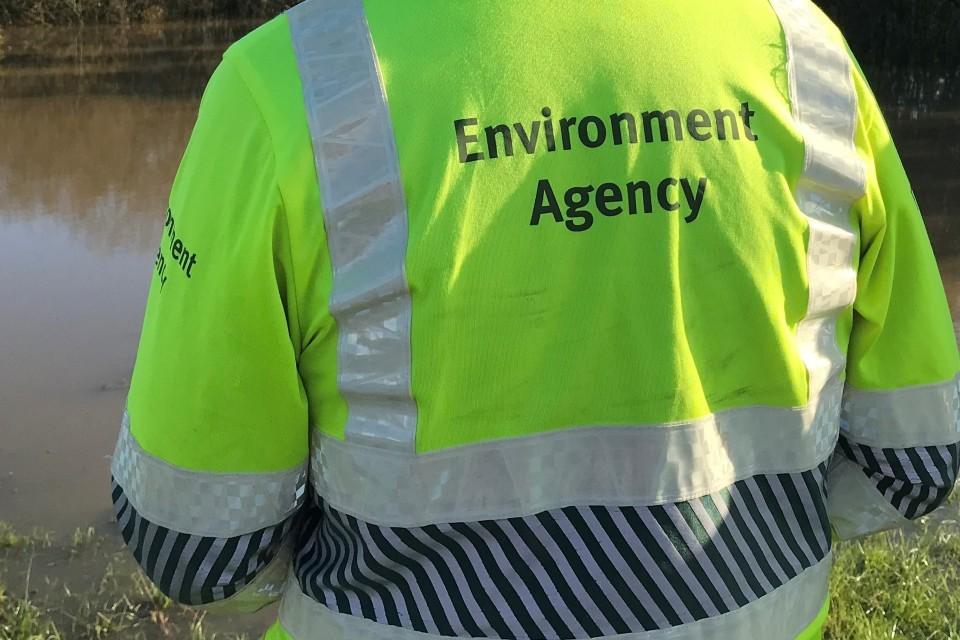
The company has put forward a proposal to drill a test borehole, designated Cloughton 2, in the vicinity of Burniston in North Yorkshire, with the aim of evaluating the potential for natural gas extraction.
The permit sought includes the potential application of a well stimulation method known as proppant squeeze. This technique is intended to enhance gas flow from rock formations by injecting a blend of gelled water-based fluid and sand into the well under pressure, thereby opening small fissures in the rock.
While this method operates on principles akin to hydraulic fracturing, it is distinct from the hydraulic fracturing associated with shale gas that is currently suspended by the Government.
Assessment by the Environment Agency
The Environment Agency’s decision is informed by a comprehensive technical evaluation of the application conducted by specialist personnel and has taken into account all feedback received during two public consultations.
This decision hinges on Europa Oil and Gas Limited successfully demonstrating compliance with the mandatory conditions outlined in the permit, both currently and in the future.
The Environment Agency only grants permits when it is confident that the operator can adhere to the stipulated conditions and possesses the necessary systems to operate without causing detriment to the environment, public health, or wildlife.
It is important to note that the company’s proposals necessitate planning permission, which North Yorkshire County Council has denied. Planning permission and environmental permitting entail distinct legal processes, each with its own statutory responsibilities and legal criteria.
Public Consultation and Evidence Review
The significant public interest surrounding this application has been acknowledged, and comments and evidence from both public consultations have been meticulously examined.
The agency’s responsibility is to ascertain whether the application aligns with environmental legislation requirements and whether the proposed activities can proceed without posing unacceptable risks to individuals or the environment.
The assessment is grounded in evidence and will be documented in a decision document that details the rationale behind the conclusion. Assurance is provided that the permit will impose rigorous environmental protection standards.
This decision document will be made available soon and will clarify the concerns raised during the consultation process and how the Environment Agency has addressed them.
Legal Requirements for Permit Issuance
The Environment Agency can only reject a permit application if it fails to satisfy one or more legal stipulations under environmental legislation, such as posing an unacceptable risk to the environment or public health. If all criteria are fulfilled, the agency is mandated to issue a permit.
Background on Regulatory Processes
Despite the refusal of planning permission by North Yorkshire Council in May 2026, it is emphasized that planning permission and environmental permitting are independent legal processes, each with distinct responsibilities and criteria.
While the local planning authority evaluates the permissibility of a development under planning law, the Environment Agency assesses whether the proposed activities conform to environmental legislation and can be executed without causing unacceptable harm.
This separation of regulatory processes means that the Environment Agency is legally obliged to independently evaluate the permit application, irrespective of the planning decision.
The outcome of the planning decision did not influence the Environment Agency’s appraisal of the permit application.
Understanding Environmental Permits
Environmental permits delineate stringent legal conditions that an operator must adhere to in order to safeguard both people and the environment. Should an environmental permit be granted, the Environment Agency is responsible for enforcing the conditions stipulated within it.
Enforcement measures may include issuing enforcement notices, suspending or revoking permits, imposing fines, and even pursuing criminal sanctions, including prosecution.
Permit refusal is only permissible if the application does not meet one or more legal requirements under environmental legislation, particularly if it poses a significant environmental impact or threatens human health. If all conditions are satisfied, the agency is legally mandated to issue a permit.



More Stories
PM Holds Key Meeting with Dutch Prime Minister Jetten on 21 November 2026
UK’s Ambitious NATO Space Launch Initiative Aims for the Stars
UK Condemns Damage to Diplomatic Premises Amid Russian Assaults on Ukraine: Key OSCE Statement