
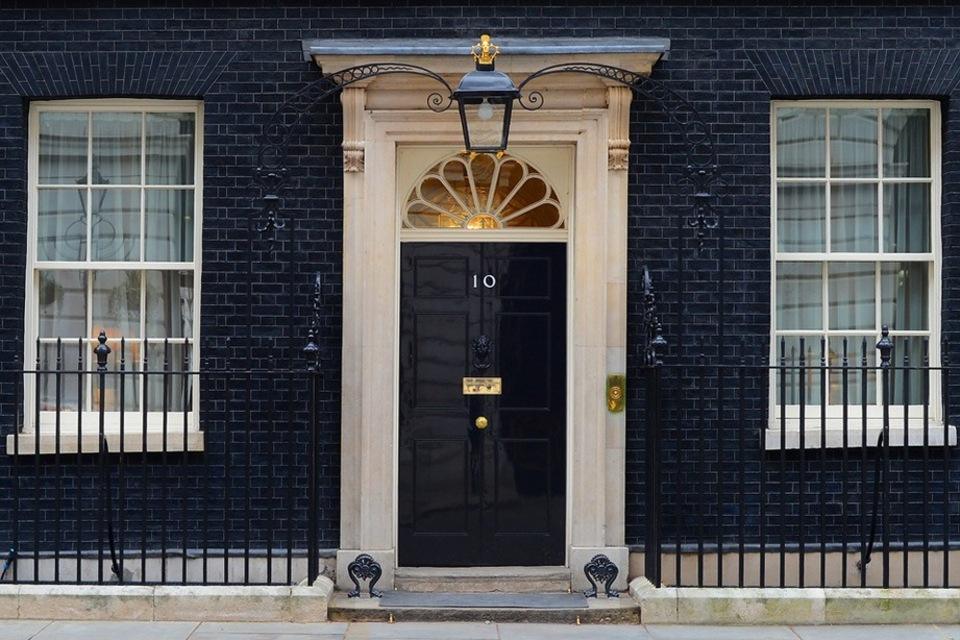
The Prime Minister has announced that upcoming changes to prison sentences will exclude those convicted of rape, serious child sexual offences, and other grooming crimes, ensuring that the public is better protected from these dangerous individuals. This decision comes in response to a review of the prison release scheme and the concerns raised by victims.
Strengthening Public Safety
Upon taking office, the Prime Minister swiftly halted planned reforms to sentencing and mandated a reassessment of the policies within days. The latest announcement confirms that individuals convicted of serious sexual offences will not benefit from the proposed changes, meaning they will serve longer sentences without the prospect of early release. This includes offenders linked to notorious grooming gangs, who will remain incarcerated under the existing custodial framework.
The exclusion of rape and child sexual offences adds to the 18,000 offenders already protected from early release, such as those classified as the most dangerous or those serving life sentences. While the Prime Minister expressed a desire to implement even stricter measures, he acknowledged that doing so could jeopardise the prison system’s stability, potentially increasing risks to public safety.
Enhanced Surveillance Measures
In a bid to further reinforce supervision post-release, the Prime Minister has mandated rigorous monitoring for offenders. This includes mandatory tagging for all released individuals, extended periods of supervision, and the establishment of designated restriction zones. The government is committed to placing victims at the forefront of the justice system, launching a new support programme valued at £10 million, which aims to enhance trauma-informed services for those affected by crime.
Acknowledging the urgent need for reform, the Prime Minister highlighted the consequences of a decade-long lack of investment in the prison system, which has led to adult male prisons operating at 98% capacity. In response, the government is initiating a substantial prison-building programme, aiming to create 14,000 new prison places by 2031, representing the most rapid development since the Victorian era.
Long-Term Solutions and Victim Support
The Justice Secretary has been tasked with expediting plans for the next generation of prisons, which will address the ongoing capacity crisis. Additionally, there are plans to accelerate the deportation of foreign offenders and review outdated sentences that hinder the effective management of the prison population.
Justice Secretary Alex Norris remarked on the importance of excluding horrific crimes from the proposed reforms, emphasising that victims will benefit from improved support and reassurance that offenders will face stricter supervision upon their release. The implementation of these measures aims to restore order within the prison system while ensuring that dangerous criminals are kept off the streets.
Probation Enhancements and Future Framework
The government is also deferring broader releases under the new Sentencing Act, allowing probation staff adequate time to manage transitions and ensuring that victims can provide input on the restrictions placed on offenders. The new framework aims to eliminate the reliance on emergency release measures that have plagued previous administrations.
Additionally, the introduction of a new progression model will end automatic early release for offenders exhibiting poor behaviour, ensuring that those who violate prison rules face extended incarceration as a consequence. This model is designed to ensure that public safety remains paramount while allowing for necessary reforms within the justice system.
Comprehensive Victim Protection Initiatives
The new probation measures will create an environment akin to a ‘prison outside prison’ for offenders, significantly bolstering public safety. Key elements of this initiative include real-time electronic monitoring, alerts for potential breaches of exclusion zones, and increased drug testing for a substantial number of offenders. Furthermore, probation will gain the authority to impose driving bans and restrict attendance at public events.
Victims of serious crimes will also see enhanced support, including improved communication regardless of their involvement in existing victim schemes. A new dedicated helpline, scheduled to launch in October, will provide essential emotional and practical support for those affected by these reforms. The government has committed £100 million towards ensuring that individuals released from prison are tagged and prohibited from attending specific public venues, part of a broader £700 million investment in probation and community punishment initiatives.
The adjustments introduced in the Sentencing Act represent an effort to balance the need for systemic reform while ensuring that public safety is prioritised. The new progression model is set to take effect by October 2026, marking a significant shift in how offenders are managed and monitored in the future.




More Stories
UK Government Allocates Funds for Vital Repairs to Chornobyl Nuclear Power Plant Following Russian Drone Strike
Great British Railways Unveils New Headquarters and Apprenticeship Programme
UK Warns of Large-Scale Information Warfare by Hostile Actors, Including Russia, at UN First Committee Session