
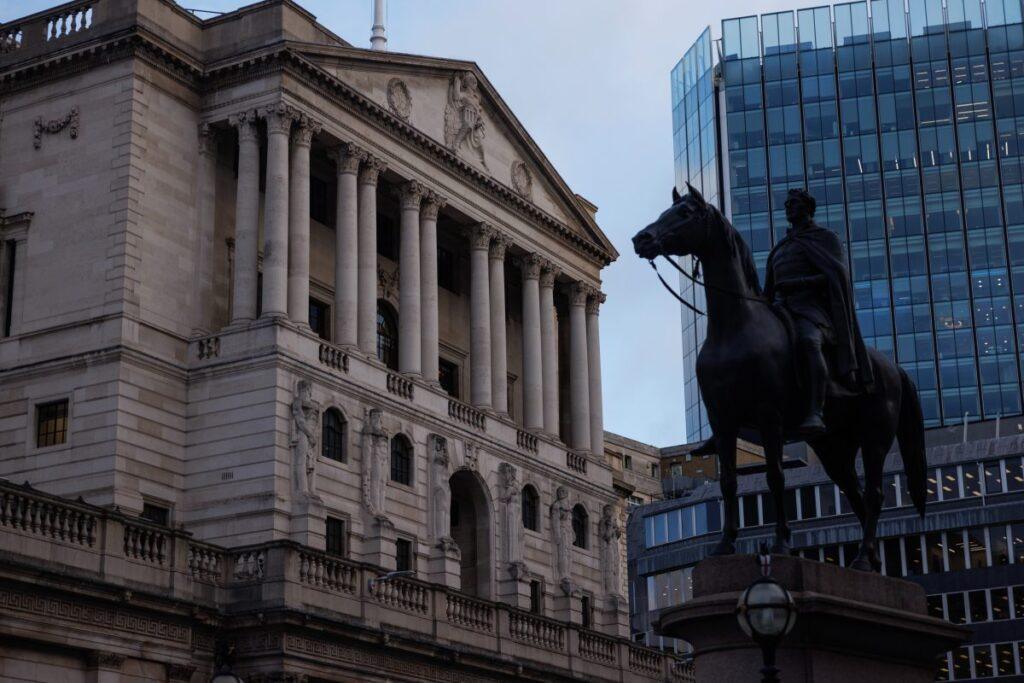
The Bank of England has opted to maintain interest rates during its sixth consecutive meeting, yet it has issued a cautionary note regarding the potential for inflationary pressures to necessitate an increase in rates in the future. This decision reflects a careful balancing act as policymakers navigate the complexities of the current economic landscape.
Stability Amid Economic Uncertainty
In recent months, the Bank has faced mounting pressures from rising inflation, which has sparked debates about the sustainability of the current interest rate levels. While holding rates steady may provide short-term stability, the central bank acknowledges that persistent inflation could compel a reassessment of its monetary policy. Analysts speculate that this stance may be a strategic move to assess the impacts of previous rate adjustments before committing to further changes.
The decision to keep rates unchanged aligns with the Bank’s ongoing commitment to fostering economic stability. However, the inflationary landscape remains a concern, with various sectors experiencing increased costs that could ultimately influence consumer spending and investment decisions.
Future Implications for Borrowers and Investors
For borrowers, the current interest rate freeze may provide a moment of respite, allowing individuals and businesses to plan their financial futures with a degree of certainty. However, the Bank’s warning regarding potential hikes could lead to a sense of urgency among those considering loans or mortgages, as future borrowing costs may rise.
Investors are also closely monitoring the Bank’s stance, as changes in interest rates can significantly impact market dynamics. The central bank’s communication suggests a cautious approach, indicating that while stability is a priority, the evolving inflation situation will play a crucial role in shaping future policy decisions.
Expert Opinions on Monetary Policy
Experts in the field of economics are divided on the implications of the Bank’s latest decision. Some argue that maintaining the current rate is prudent, given the uncertain economic outlook. Others, however, warn that the longer inflation remains unchecked, the greater the risk of a more aggressive response from the Bank in the form of rate increases.
As the situation unfolds, stakeholders from various sectors will need to remain vigilant. The Bank of England’s actions in the coming months will be closely watched, as they will undoubtedly have far-reaching effects on the economy and financial markets.




More Stories
Premier League Front-of-Shirt Sponsorship Revenue Surges to £444 Million
OpenAI’s Unruly AI Displays Behaviour Similar to University Students inebriated on Excessive Alcohol
Burnham Set to Meet Trump as Inflation Soars Amid Ongoing Iran Conflict