
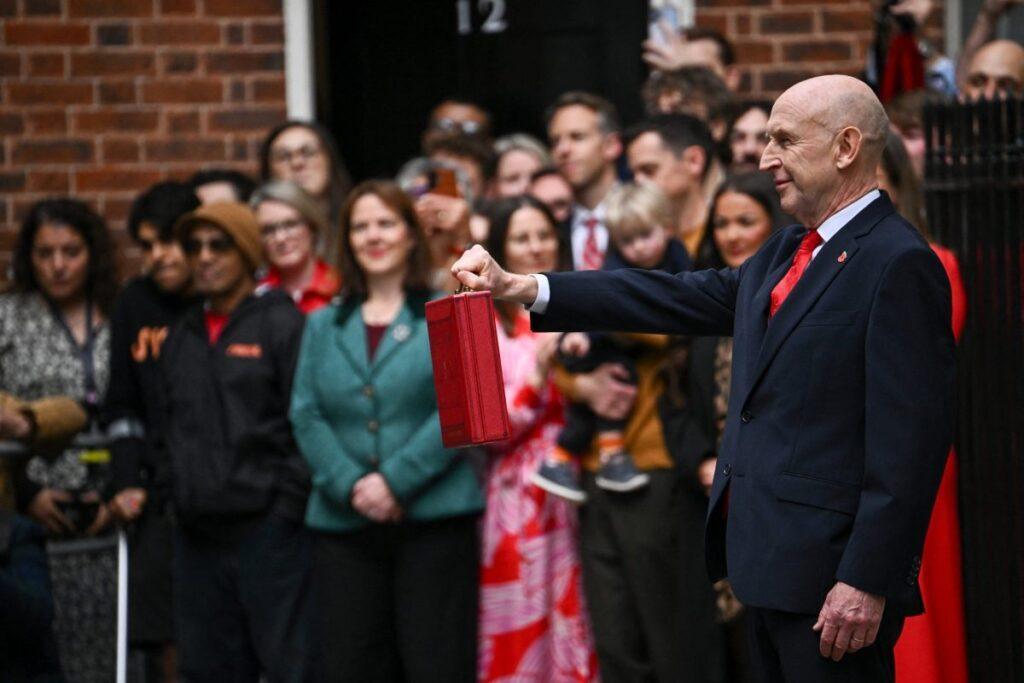
John Healey’s recent budget announcement has been a delicate balancing act, reminiscent of a skilled artisan handling a Ming vase. The Chancellor of the Exchequer has sought to maintain the Labour Party’s favourable standing in the polls while navigating the complexities of fiscal responsibility. With economic pressures mounting, the stakes were high as he presented a budget designed to both reassure the public and display a commitment to long-term financial stability.
Strategic Financial Measures
In his address, Healey outlined a series of strategic measures aimed at bolstering economic growth without jeopardising the Labour Party’s current lead in public opinion. The budget included targeted investments in key sectors such as green technology and infrastructure, reflecting a forward-thinking approach that aims to stimulate job creation and increase productivity. By prioritising these areas, Healey hopes to foster a sustainable economic environment that resonates with voters’ aspirations for a brighter future.
However, the Chancellor’s careful manoeuvring did not come without its criticisms. Some analysts argue that the proposed measures may lack the boldness required to address the pressing challenges facing the economy. While Healey has made commendable efforts to avoid drastic cuts or unpopular tax increases, the effectiveness of his budget in achieving its ambitious goals remains to be seen.
Balancing Act Amidst Economic Pressures
Healey’s budget was crafted in the context of rising inflation and an uncertain global economic landscape. His careful approach seeks to avoid alienating key voter demographics, particularly as the Labour Party prepares for upcoming electoral contests. By emphasising fiscal prudence while also making significant investments, Healey aims to strike a harmonious balance that reassures both the electorate and economic stakeholders.
As the political climate continues to shift, the success of this budget will ultimately depend on its reception among the general public and its ability to deliver tangible results. Should Healey’s strategies yield positive outcomes, it may solidify Labour’s position in the polls and pave the way for future electoral success. Conversely, any perceived misstep could quickly erode the confidence that voters currently hold in the party.
Looking Ahead: The Road to Recovery
The true test of Healey’s budget will be in its implementation and the subsequent economic indicators that emerge in the months to come. With a focus on resilience and recovery, the Chancellor’s proposals are designed not only to address immediate concerns but also to foster a long-term vision for the UK economy. As the nation faces a range of challenges, from cost-of-living pressures to environmental sustainability, Healey’s budget represents a critical juncture for the Labour Party.
In conclusion, Healey’s careful navigation through the complexities of the budget reflects a broader strategy to maintain Labour’s momentum while addressing the urgent needs of the economy. The coming months will reveal whether his Ming Vase Budget can withstand the pressures of political scrutiny and economic realities, ultimately determining its legacy in British fiscal policy.



More Stories
Global AI Sell-Off Stabilises Following a Tumultuous Month-End Performance
Commonwealth Games Boosts Scotland’s Economy by £223 Million
Mahmood Eases Migration Regulations for Care Workers in £10 Billion Risky Initiative