
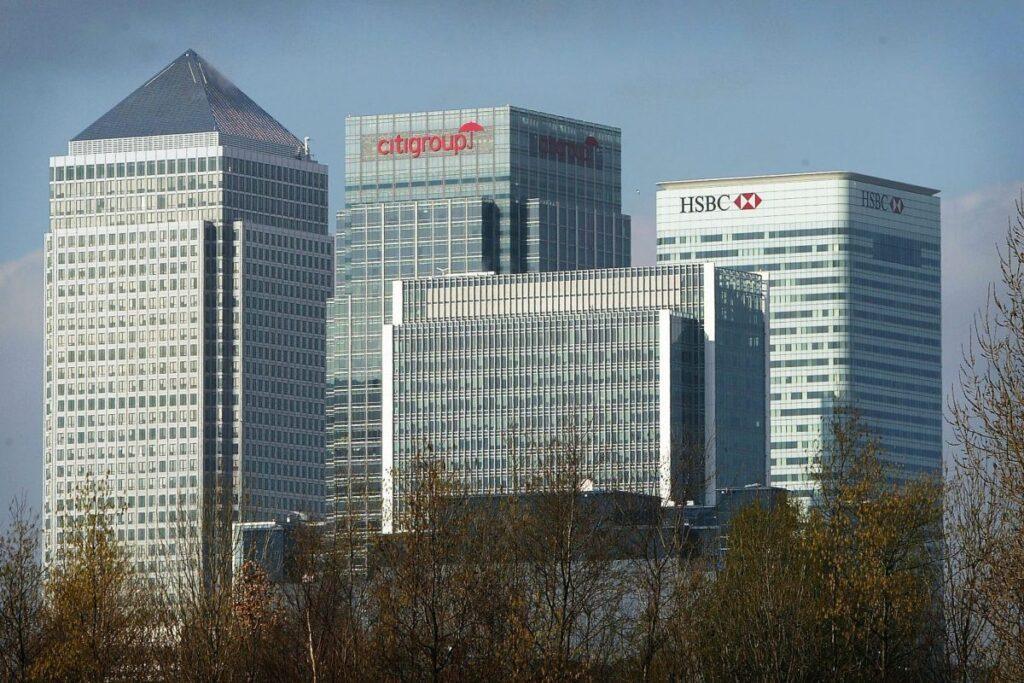
This year’s Autumn Budget has sparked considerable debate, with some commentators suggesting it did not fully meet the ‘do no harm’ standard, particularly regarding the newly proposed bank tax. The financial community has responded with apprehension, voicing concerns about the implications of such a levy on the banking sector and, by extension, the wider economy.
Concerns Over the Bank Tax
The introduction of a tax specifically targeting banks is perceived by many as a potential stumbling block for economic growth. Critics argue that imposing additional financial burdens on these institutions could inhibit their ability to lend, thereby restricting funding for businesses and households. This is particularly concerning in a climate where economic recovery is paramount.
Financial experts have pointed out that the banking sector needs to remain robust and resilient, especially as the country navigates through challenging economic waters. A tax that is deemed excessive could deter investment and lead to a contraction in the sector, ultimately affecting job creation and economic stability.
Impact on Investment and Lending
With uncertainty surrounding the fiscal landscape, there is a palpable fear that this tax could stifle banks’ capacity to invest in critical areas such as technology and infrastructure. As the financial industry adapts to a rapidly changing environment, the need for innovation and investment is more pressing than ever. A punitive tax regime might discourage banks from taking the necessary risks that foster growth and development.
Moreover, the bank tax could lead to increased costs for consumers as banks seek to maintain their profit margins. This potential rise in costs may disproportionately affect those who are already struggling, further exacerbating existing inequalities within the economy.
The Broader Economic Context
In light of these concerns, it is essential to consider the broader economic context. The Autumn Budget was anticipated to provide clarity and direction, yet the introduction of the bank tax has muddied the waters. Stakeholders across various sectors are left grappling with uncertainty regarding the potential long-term impacts of this decision.
As the government seeks to balance fiscal responsibility with economic growth, the challenge will be to ensure that measures do not inadvertently hinder the very recovery they aim to support. Engaging in meaningful dialogue with industry representatives may prove crucial in refining policies that promote a thriving banking sector while safeguarding the interests of the public.



More Stories
Can Marks & Spencer’s TikTok Sensation Revamp Its Image and Ditch the Frump?
Global AI Sell-Off Stabilises Following a Tumultuous Month-End Performance
Commonwealth Games Boosts Scotland’s Economy by £223 Million