
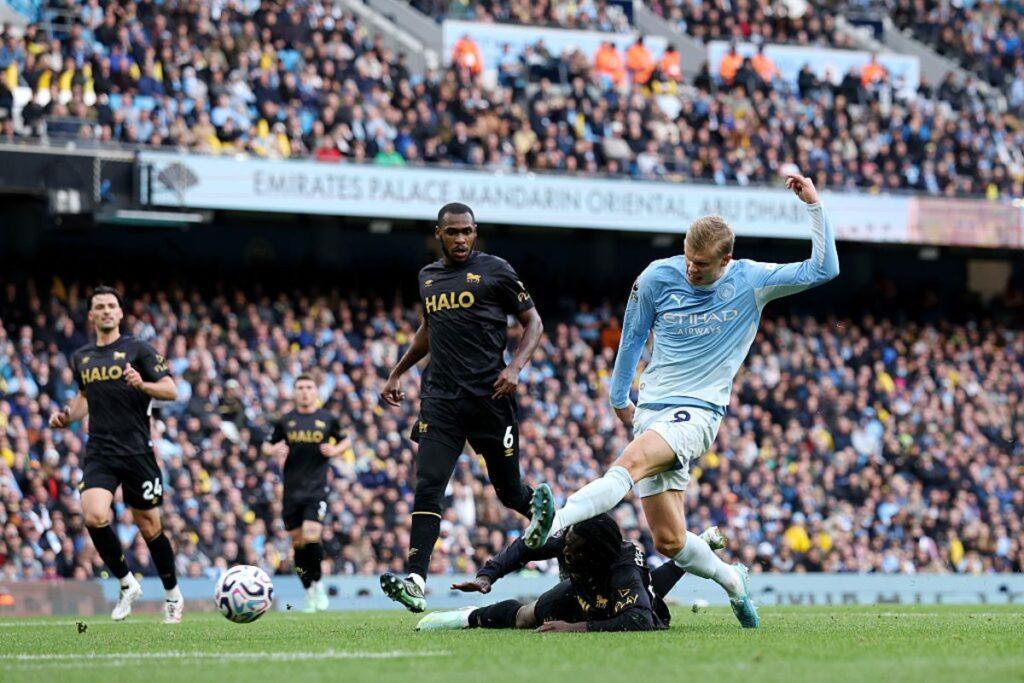
The ongoing rise of Manchester City has had a noticeable impact on the financial performance of the parent company of William Hill, a prominent name in the gambling industry. This development highlights the intricate relationship between sports success and related commercial sectors, illustrating how the fortunes of a football club can ripple through various industries.
Impact on Financial Performance
As Manchester City continues to dominate both domestic and international football, the financial implications for its stakeholders are becoming increasingly apparent. The owner of William Hill has reported a decline in earnings, a trend that suggests that the club’s successes may be drawing attention—and consequently, spending—from the gambling sector. This reflects a broader trend where sports clubs not only influence their immediate fanbase but also affect associated businesses through increased engagement and betting activities.
Investors and analysts are keenly observing how Manchester City’s achievements influence gambling behaviours, particularly as the club secures its position at the top of the Premier League and makes strides in European competitions. Such success not only boosts fan loyalty but also increases the betting opportunities that companies like William Hill can capitalise on.
Shifting Betting Patterns
As Manchester City flourishes, gambling trends may shift, with fans eager to bet on their team’s matches and outcomes. This phenomenon can create both opportunities and challenges for betting firms. While heightened interest can lead to increased betting volume, it can also mean that firms face greater risks, especially when their customers are betting on their teams with heightened enthusiasm. Companies must navigate these dynamics carefully to maintain profitability while fostering responsible gambling practices.
Furthermore, the competitive landscape of the betting industry is evolving, with various operators vying for a share of the market. The success of Manchester City may prompt other bookmakers to enhance their offerings, providing more attractive odds or promotions to entice fans and gamblers. This competitive edge is crucial in a rapidly changing marketplace, where maintaining customer engagement is key.
Future Considerations for Stakeholders
Looking ahead, stakeholders in the gambling sector will need to adapt to the fluctuating dynamics influenced by sports outcomes. The interdependence between sporting success and gambling earnings is likely to intensify, particularly as more clubs secure lucrative sponsorships and broadcasting deals. For the owners of William Hill and similar enterprises, understanding these shifts will be essential for strategic planning and long-term growth.
Ultimately, the relationship between Manchester City’s rise and the gambling industry encapsulates a broader narrative of how sports and business intertwine. As the club continues its ascent, the implications for associated businesses will remain a focal point for analysts and investors alike, highlighting the potential for both opportunities and pitfalls in this interconnected landscape.




More Stories
The Evolution of Fashion in Formula 1: Discover How the Paddock Transformed into a Global Catwalk
London Irish Aims for Professional Comeback Next Year Following Essex Businessman’s Takeover
Musk’s $3.5 Trillion Empire: How a Tesla-SpaceX Merger Could Ignite an AI Investment Surge