
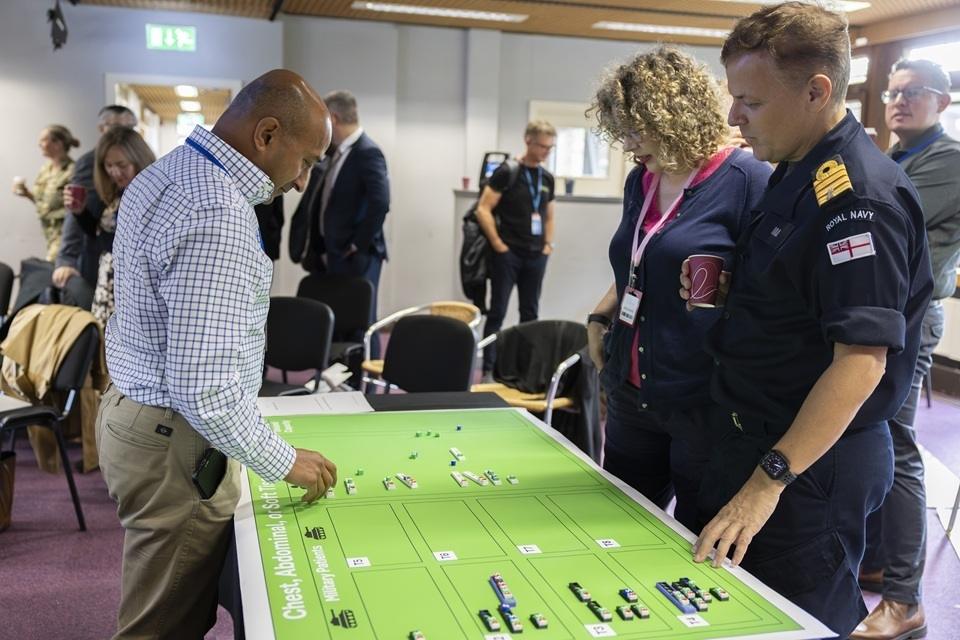
The Armed Forces and the National Health Service (NHS) recently collaborated on a significant exercise aimed at enhancing the UK’s medical resilience and its ability to treat military personnel injured in conflict zones. This event, orchestrated by the Defence Medical Command, served as a valuable platform to refine strategies for providing medical support to returning military patients from various operational scenarios.
Strengthening Collaboration Between Defence and Health Services
The wargame brought together representatives from the Armed Forces, the NHS, and healthcare providers to evaluate the efficacy of civilian health services in managing military patients who have received initial life-saving care overseas. This exercise highlighted the importance of a cohesive approach in treating those who endure injuries during service.
Defence Minister Lord Coaker emphasised the necessity of collaboration among various organisations, stating, “Keeping people safe takes more than one organisation—it takes all of us working together.” His remarks underscored the value of partnership in ensuring comprehensive care for military personnel as they transition from battlefield injuries to recovery within the UK.
Participants examined multiple aspects of patient care, including logistical considerations for managing healthcare demands while simultaneously catering to civilian patients. This focus on coordination reflects a broader commitment to maintaining high standards of care amidst the challenges presented by modern warfare.
Learning from Recent Conflicts
The exercise also drew upon insights gained from the ongoing conflict in Ukraine, particularly regarding the need to expand hospital capacity and ensure continuous access to healthcare for civilians. Participants discussed the types of injuries likely to be encountered and the requisite mental health support for returning personnel.
Surgeon General Major General Phil Carter noted, “Wargames like this are a vital part of planning the Operational Patient Care Pathway.” He reiterated that regular joint exercises enhance the readiness of Defence and NHS services to manage casualties effectively while still addressing civilian healthcare needs.
Dr Mike Prentice, the National Director for NHS Resilience, highlighted the crucial role of the NHS in preparing for potential future conflicts. He remarked on the importance of testing plans and identifying challenges in advance, ensuring that the NHS is equipped to support military personnel returning home while continuing to serve the public effectively.
Innovative Approaches to Battlefield Medicine
The Defence Medical Command is actively investing in innovative medical solutions, such as dried blood products for rapid restoration of blood supplies in battlefield situations and tranexamic acid autoinjector pens that help control bleeding. Furthermore, advancements in field hospital equipment and enhanced casualty care technologies are being prioritised.
Lessons learned from the Ukrainian conflict are informing these innovations, particularly regarding the protection of medical personnel and facilities, advanced trauma training, and the establishment of robust supply chains. New technologies, including portable ultrasound devices and uncrewed evacuation systems, are also being developed to enhance medical responses in combat situations.
The insights gained from this wargame will significantly influence future planning efforts within both the Armed Forces and civilian health services, with additional exercises on the horizon to further bolster UK medical preparedness.
This collaborative effort involved military and civilian health providers from the UK, the United States, and Canada, reflecting a commitment to a unified approach to national security and medical resilience.

More Stories
Joint Statement from the Seventh Meeting of the UK and EEA EFTA States Separation Agreement Committee
Water Company Leaders Brief National Drought Group on Enhanced Resilience Strategies
UK Affirms Commitment to Peace and Stability in the Central African Republic at UN Security Council