
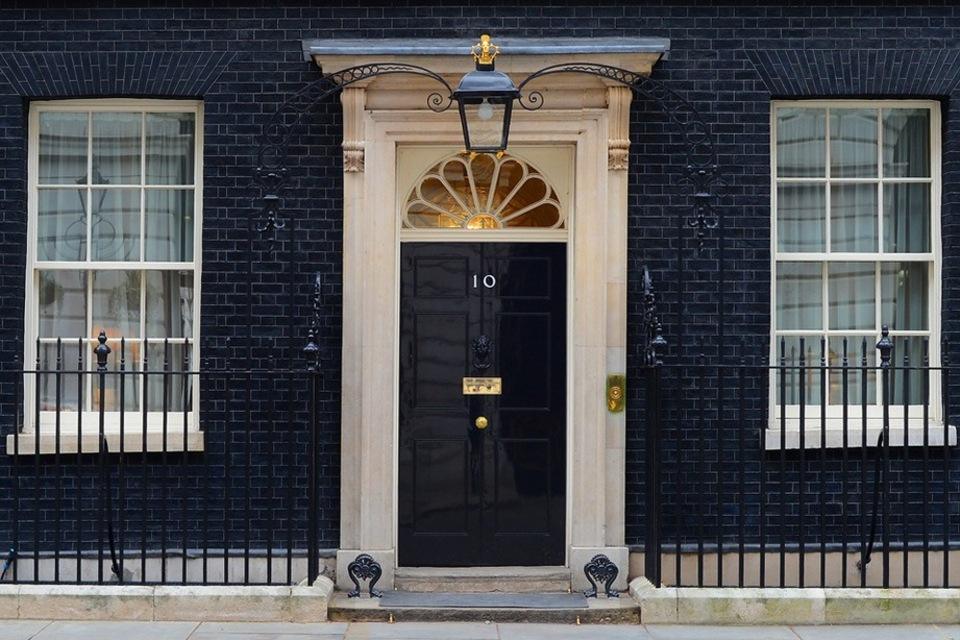
On Thursday, 15 October, the Civil Society Council convened at the King’s Trust in Manchester for a significant discussion on the role of civil society in local communities.
Recognition of Civil Society’s Impact
The Prime Minister commenced the meeting by acknowledging the indispensable role that civil society organisations play within communities. He emphasised that beginning with the needs of individuals and engaging with trusted local organisations can unlock numerous opportunities. He advocated for a comprehensive approach that involves the entire government and society to assist young people as they navigate their formative years, particularly in addressing the challenge of youth unemployment, which is a key element of the forthcoming ten-year plan.
In his remarks, the Prime Minister highlighted the importance of collaboration with civil society, stressing that unity in purpose is essential for achieving improved outcomes. He stated, “We must face the same way and pull in the same direction. It’s about empowering people and places to find their own solutions and trusting them to do so.” Drawing on lessons learned during the Covid pandemic, he particularly noted the vital contributions of faith communities during that period.
Live Well Initiative and Its Community-Centric Approach
The discussion then shifted to the Live Well initiative in Greater Manchester, where a cohesive, person-centred strategy has allowed civil society to act as an equal partner in facilitating access to necessary support. The Prime Minister asserted that “civil society in all its many iterations is absolutely critical to the success of our country.” In response, the Council proposed an in-depth exploration of the principles underpinning Live Well and similar community-led models. This initiative will be supported by a coalition of partners with backing from the Department of Health and Social Care (DHSC), aiming to learn from these models and apply insights to broader efforts in transitioning to neighbourhood health services.
The Role of Civil Society in Devolution
Culture Secretary Lisa Nandy MP expressed that civil society organisations, by engaging with the realities faced by individuals across the nation, should be regarded as respected and trustworthy partners of government at all levels. She underscored their critical role as the devolution process accelerates.
Subsequently, Sally Jameson MP, Minister for the No10 North Devolution Strategy, participated in a session focused on restructuring governmental approaches. Minister Jameson elaborated on the Government’s vision for devolution and public service reform, inviting Council Members to share their insights on the necessary structures, capabilities, and incentives needed to decentralise power and bring it closer to local communities.
Empowering Young People for Future Success
Vicky Foxcroft MP, Minister for Civil Society and Youth, concluded the session by engaging with Council Members on enhancing opportunities for young people. The conversation centred on how both government and civil society can collaborate effectively to equip young individuals with the confidence, skills, and support required as they transition into the workforce.
The Chair of the Council, Kate Lee, wrapped up the meeting by expressing gratitude to Council Members for their valuable contributions. She reflected on the progress made since the previous Council Meeting, which includes advancements in civil service capability building, the integration of public participation, modifications to procurement processes, and ongoing efforts to improve volunteering rates. Lee also outlined the actions agreed upon to be pursued ahead of the next gathering.


More Stories
CNC Triumphs at National Awards for Outstanding Occupational Health and Wellbeing Initiatives
UK Urges UN Security Council: Haiti Must Prioritise Security Over Political Stagnation in 2024
PM Takes Action Against Sky-High Parking Fees and Car Scams