
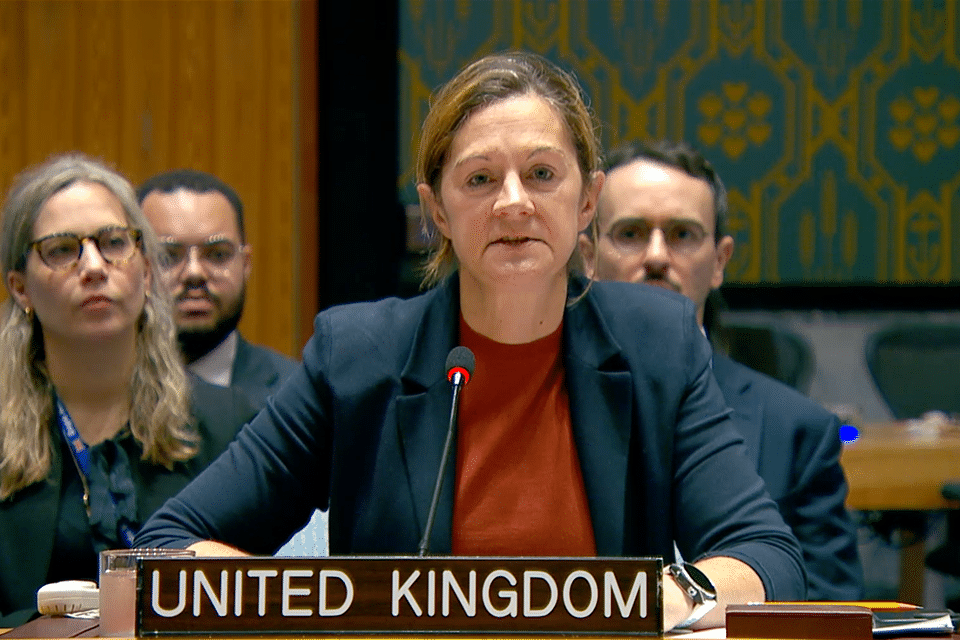
This month commemorates the one-year anniversary of El Fasher’s capture by the Rapid Support Forces, an event that precipitated a series of horrific atrocities in the region. The United Nations Fact-Finding Mission has extensively documented a grim catalogue of abuses, including systematic starvation, torture, killings, and rape, alongside deliberate ethnic targeting.
In the chaos that ensued, civilians were ruthlessly slaughtered while attempting to flee the besieged city, with medical personnel and patients alike falling victim in hospitals. It is evident that women and girls have been disproportionately affected by these brutal acts.
Moving forward, it is imperative that accountability is pursued, and that the support for survivors is enhanced. We must continue to draw lessons from the tragic events at El Fasher, placing the protection of civilians at the forefront of our efforts.
Urgency of Civilian Protection
Recent drone strikes and aerial assaults, particularly in the Kordofan region, serve as a stark reminder of the escalating reach and lethality of this ongoing conflict. Civilians are increasingly being killed and injured, while vital infrastructure, including markets and agricultural production, upon which they rely, is being systematically destroyed.
The humanitarian situation is deteriorating rapidly, with the Integrated Food Security Phase Classification (IPC) issuing warnings about rising famine risks in Darfur and Kordofan. Currently, more than 33 million people require humanitarian assistance.
As highlighted by Foreign Secretary Milliband during High-Level Week, it is crucial that we unite in urging all parties involved to prioritise civilian protection, adhere to international humanitarian law, and ensure safe, unhindered access for humanitarian efforts.
All parties must honour the commitments made in Jeddah, which include the vital distinction between civilian and military targets, and taking all feasible measures to safeguard civilian lives.
Ending External Support for Conflict
Another pressing issue is the need to terminate the external support that is perpetuating this conflict. The enhanced drone capabilities observed are being procured, financed, and sustained through networks based outside of Sudan. It is essential that all states ensure they are not inadvertently fuelling this conflict through their support for the involved parties.
Those supplying, financing, and facilitating this warfare must be subjected to increased pressure to cease their operations. Additionally, the Security Council’s sanctions regime regarding Sudan must adapt to reflect the current dynamics of the conflict.
The United Kingdom is committed to strengthening the sanctions regime, thereby intensifying pressure on those involved in supporting this war and working towards the protection of civilians. We advocate for the prompt transmission to the Security Council and the publication of the final report from the panel of experts under resolution 1591.
The Path to Diplomatic Solutions
There is an urgent need for a diplomatic resolution. The United Kingdom calls upon all parties to reach an agreement for a humanitarian truce, establish a permanent ceasefire, and foster an inclusive, civilian-led political process that can secure a sustainable peace.
We commend the efforts of the Quad and Quintet in this regard, along with the initiatives undertaken by the Secretary-General’s Personal Envoy to build confidence among the parties. Furthermore, we welcome the progress made in enhancing coordination between the Quad and Quintet, ensuring that diplomatic initiatives support not only the long-term future of Sudan but also immediate ceasefire efforts.
We anticipate further advancements during the upcoming consultations in Geneva. The proposals for a national dialogue are also noteworthy; any viable process must be genuinely inclusive and led by Sudanese voices, allowing civilians to have a meaningful role in shaping their country’s future.
The Call for Urgent Action
An end to this conflict is paramount. The devastation currently witnessed in Sudan is increasingly contributing to instability in the broader region, with crises across the Horn of Africa becoming more interconnected and mutually reinforcing.
As we reflect on the victims of El Fasher, the directive is unequivocal. The involved parties must prioritise civilian protection, facilitate humanitarian access for those in dire need, and opt for diplomacy over the continuation of warfare. Furthermore, those who are supplying, funding, and perpetuating the conflict must cease their activities immediately.



More Stories
Prime Minister’s Key Address at the King’s Trust Centre on 15 October 2026
Wes Streeting Delivers Keynote Address at the Centre for Strategic and International Studies
Decommissioning Calder Hall: The Historic Journey of the World’s First Commercial Nuclear Power Station