
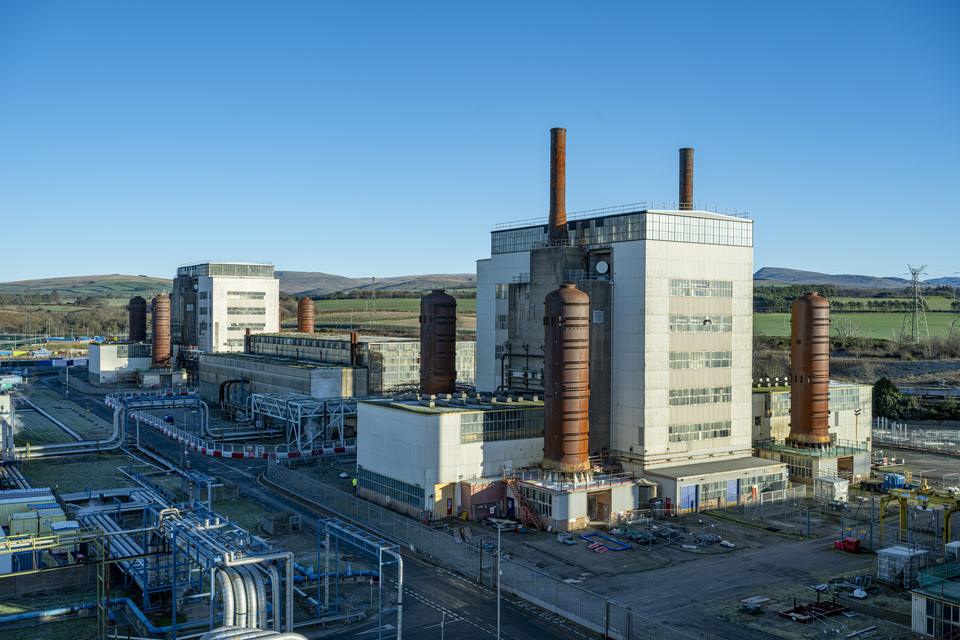
Calder Hall, a pioneering establishment in the United Kingdom’s civil nuclear sector, is currently undergoing a significant transformation. Seventy years since its inauguration, teams at Sellafield are diligently dismantling the power station and preparing the site for future developments.
Understanding Calder Hall’s Legacy
Inaugurated on 17 October 1956 by Her Majesty Queen Elizabeth II, Calder Hall marked a pivotal moment in the history of nuclear energy. With its four Magnox reactors, the facility generated electricity for an impressive 47 years, ceasing operations in March 2003. Its innovative design not only influenced the development of subsequent Magnox power stations but also established Calder Hall as a prominent feature of the West Cumbria landscape.
Today, the role of Calder Hall has significantly shifted. The removal of fuel from the reactors was completed in 2019, and efforts are now focused on the dismantling of outdated buildings and equipment, paving the way for the site’s future use.
The Decommissioning Challenge
Originally designed for electricity generation, Calder Hall’s infrastructure was specifically tailored to support the power station’s operational requirements. Consequently, dismantling the facility necessitates a carefully orchestrated decommissioning strategy. This includes the systematic removal of fuel, isolation of plant and services, and the safe disposal of hazardous materials, such as asbestos.
Since the cessation of electricity production, Calder Hall has undergone significant alterations, necessitating revised safety management practices. The current teams have developed safety plans that reflect the updated status of the site and the ongoing work involved in its decommissioning.
Advancements in Dismantling and Safety
A substantial amount of progress has been made in the decommissioning efforts at Calder Hall. All 40,000 fuel rods have been successfully extracted from the reactors, and the cooling towers have been demolished. Additionally, thousands of tonnes of asbestos have been removed from both the station and its surrounding buildings, alongside the dismantling of redundant infrastructure.
This extensive work has effectively transitioned Calder Hall from a functioning nuclear power station to a site focused on decommissioning. As the project continues, further visible changes are anticipated as more structures are dismantled.
Creating Space for Future Developments
The demolition process serves a dual purpose; it not only removes obsolete buildings but also addresses the pressing need for space at Sellafield. Given the limited land available, future operations require additional facilities and infrastructure. By eliminating unnecessary sections of Calder Hall, room can be made for initiatives such as the SIXEP Continuity Plant.
This transformation signifies the evolution of a site that played a crucial role in one of the earliest phases of the UK’s nuclear programme, now facilitating the emergence of its next chapter.
Lessons for Future Decommissioning Projects
Calder Hall is providing invaluable insights for Sellafield as it navigates the complexities of safely decommissioning a nuclear power station. The knowledge gained from this process will inform future decommissioning efforts, not only at Sellafield but across the wider Nuclear Decommissioning Authority (NDA) group.
As Calder Hall approaches the conclusion of its operational legacy, the focus is firmly on ensuring the safe completion of its final chapter while making way for the requirements of tomorrow.


More Stories
Unveiling the UK’s Arctic Policy Framework: Minister Kumaran’s Keynote Address
UK Champions Two-State Solution for Lasting Peace and Security for Israelis and Palestinians
Prime Minister Proposes Collaboration with Holyrood to Empower Scottish Regions