
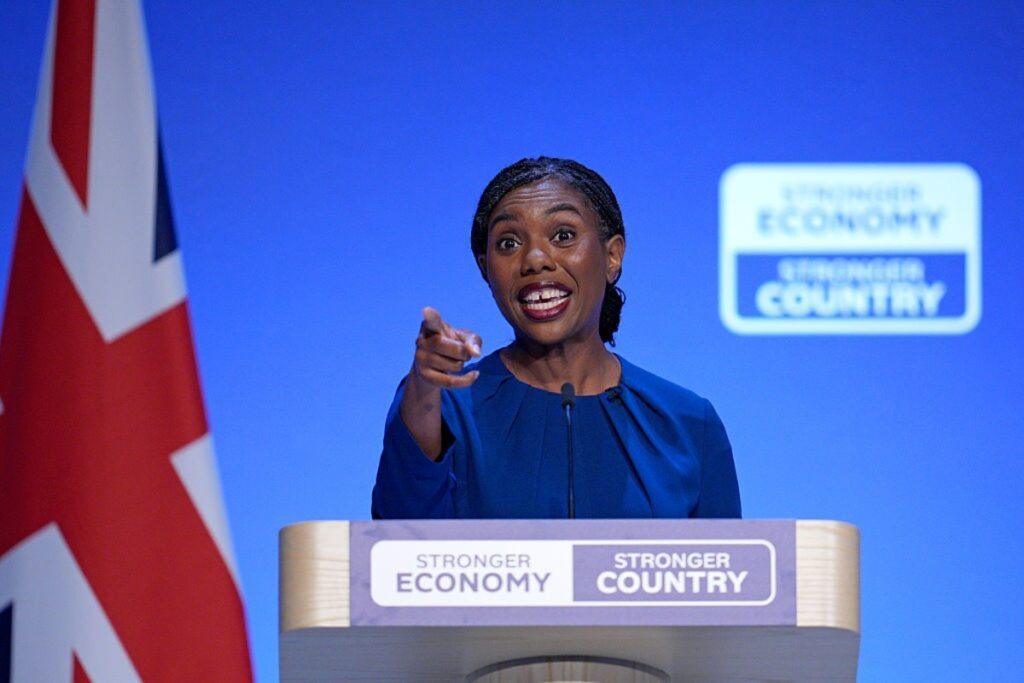
The recent announcement from the leader of the Conservative Party regarding inheritance tax has sparked considerable debate. While the move may appear to be a shrewd political strategy, it raises significant questions about its economic rationale.
Political Motivations Behind the Announcement
In a bid to capture the attention of voters, particularly those concerned about wealth transfer and family legacies, the Tory leader’s proposal aims to resonate with a demographic that perceives inheritance tax as an unfair levy. This initiative seems strategically timed, possibly to bolster support ahead of future elections by appealing to those who value the preservation of wealth across generations.
By positioning the party as a champion of the middle class and families, the announcement could be seen as an attempt to reinforce the Conservative identity as defenders of personal wealth. However, this tactic may overlook the broader implications of such fiscal policies on the economy.
Economic Implications of the Proposal
Critics argue that the proposal lacks coherence when scrutinised from an economic perspective. Inheritance tax, while often viewed unfavourably, serves a purpose in redistributing wealth and funding public services. The removal or reduction of this tax could exacerbate inequalities by allowing the wealthiest to retain a larger share of their assets, thus potentially diminishing the government’s capacity to invest in essential services.
Moreover, the impact on public finances must be considered. A significant reduction in inheritance tax could lead to a shortfall in revenue, compelling the government to explore alternative means of taxation or cut public spending. This could have repercussions for social services and infrastructure, ultimately affecting the very constituents the proposal aims to support.
Long-Term Consequences for Society
Beyond the immediate political gains, the long-term societal implications of altering inheritance tax must not be overlooked. A more significant wealth gap could emerge, undermining social mobility and reinforcing class divisions. The narrative that wealth should be preserved within families may inadvertently stifle opportunities for those without inherited wealth, leading to a less equitable society.
Furthermore, by focusing predominantly on tax cuts for the wealthy, the party risks alienating those who may benefit from a more equitable tax system that funds education, healthcare, and social services. A balanced approach to taxation that considers both individual wealth and societal needs is essential for fostering a fair economic environment.
A Call for Thoughtful Policy Debate
As the political landscape evolves, it is crucial for leaders to engage in thoughtful debates around fiscal policies like inheritance tax. While the announcement may be politically advantageous, a comprehensive examination of its economic impact is necessary to ensure the long-term well-being of society as a whole. Policymakers must strive for solutions that harmonise personal financial interests with the collective needs of the community, fostering an environment where wealth can contribute positively to social development.




More Stories
Burnham Ally Claims Business Sector Feels ‘Beaten Up’ Amidst Current Challenges
Record £66 Million for Sport Media Rights in 2026 Surpasses Concerns
iPhone 18 Pro Review: A Sophisticated Upgrade Worth Sipping On