
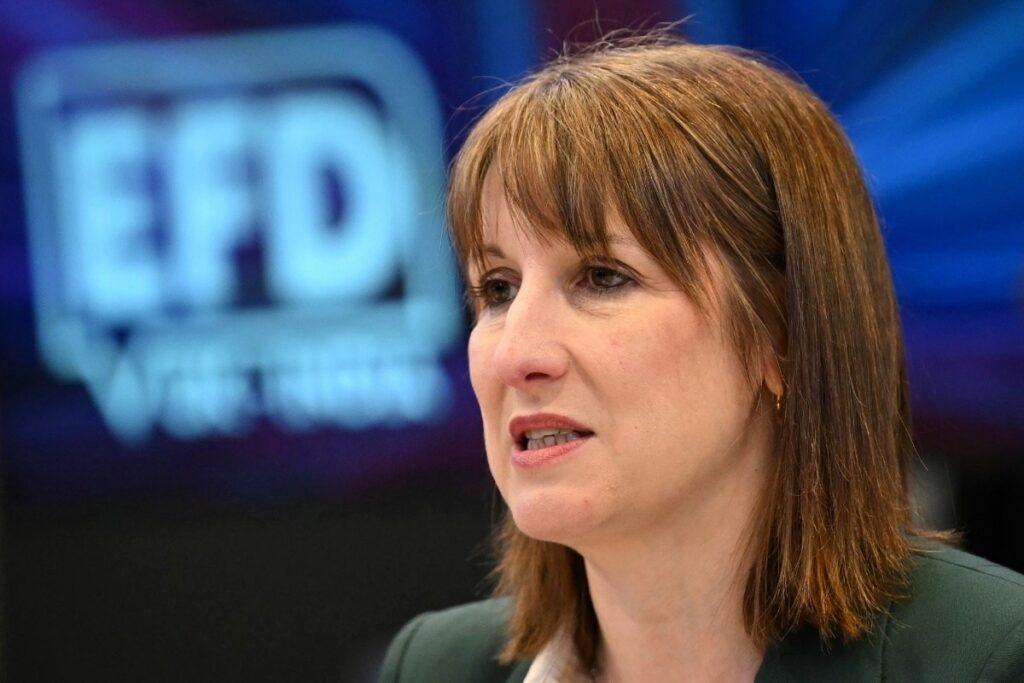
Just a few months following her departure from Number 11, Rachel Reeves has received the rather unfortunate distinction of being named the “worst chancellor” in a recent survey.
In the poll, Reeves has been identified as the least favoured among the last five individuals to hold the chancellorship. This title comes as a stark reminder of the challenges she faced during her tenure and the ongoing scrutiny of her policies and decisions.
Survey Results Reflect Public Sentiment
The survey results reveal a significant shift in public perception concerning Reeves’ time in office. While chancellors often face criticism, the overwhelming sentiment expressed in the survey underscores a growing discontent among the populace regarding her economic strategies and overall leadership. This negative appraisal not only highlights the difficulties she encountered but also raises questions about her future political aspirations.
It is not uncommon for chancellors to experience fluctuating approval ratings; however, the extent of the backlash against Reeves suggests that her policies may have failed to resonate with key demographics. Voters are increasingly vocal about their expectations for economic stewardship, and Reeves’ leadership appears to have fallen short in meeting those demands.
Implications for Future Political Endeavours
Following the unveiling of the survey, political analysts are keenly observing the implications for Reeves’ career moving forward. The title of “worst chancellor” could significantly impact her credibility within the party and among constituents. As she navigates her post-chancellorship, the challenge will be to rebuild her reputation and regain the trust of the electorate.
Reeves’ experience serves as a cautionary tale for future political leaders about the volatility of public opinion and the importance of effective communication and policy-making. The survey results may prompt discussions within her party regarding future strategies and candidates, as they seek to position themselves favourably in the eyes of the electorate.
Future Prospects and Political Landscape
As the political landscape continues to evolve, Rachel Reeves finds herself at a crossroads. Her recent accolade as the “worst chancellor” could affect her long-term ambitions within the Labour Party and beyond. With both supporters and critics closely watching her next steps, the coming months will be crucial for her to define her role in British politics.
Efforts to address the criticisms levelled against her may include a renewed focus on engaging with constituents and reassessing her policy positions. In an era where public sentiment can shift rapidly, Reeves will need to adopt a proactive approach to restore her standing and contribute meaningfully to the national dialogue on economic issues.




More Stories
Burnham Ally Claims Business Sector Feels ‘Beaten Up’ Amidst Current Challenges
Record £66 Million for Sport Media Rights in 2026 Surpasses Concerns
iPhone 18 Pro Review: A Sophisticated Upgrade Worth Sipping On