
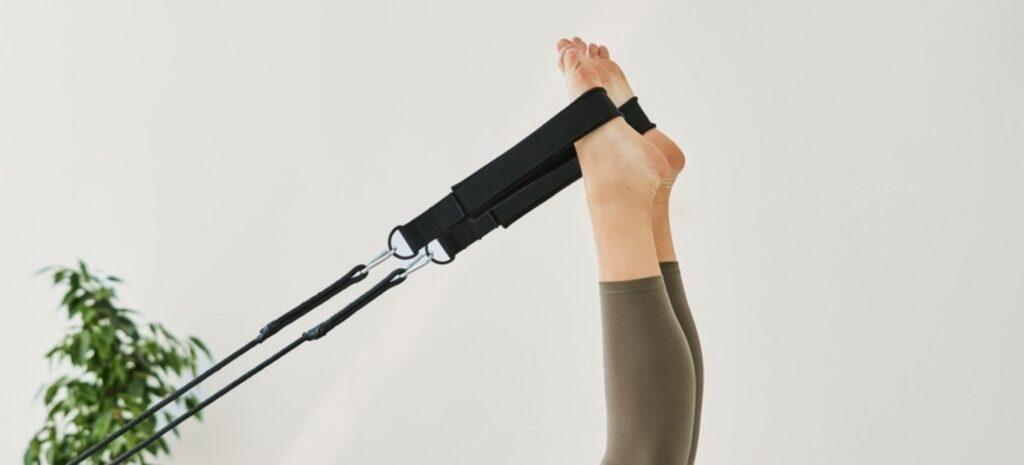
Pilates is a dynamic form of exercise that centres on controlled movements and focused breathing to improve strength, posture, and balance. While both Mat Pilates and Reformer Pilates share fundamental principles, they diverge significantly in terms of equipment and the overall experience. Reformer Pilates employs specialised apparatus, which enhances the workout’s effectiveness, providing a more thorough full-body engagement. This article delves into the distinctions between the two forms of Pilates and explores the benefits of Reformer Pilates for physical health.
Understanding the Basics of Pilates
At its core, Pilates is designed to cultivate a strong mind-body connection, promoting awareness and control throughout the body. Mat Pilates is performed on a mat, utilising body weight and resistance to develop core strength and flexibility. This form can be accessible and requires minimal equipment, making it an excellent introduction for beginners.
In contrast, Reformer Pilates involves the use of a Reformer machine, which features a sliding carriage, springs, and straps. These components allow for increased resistance and support, enabling a broader range of exercises. This equipment facilitates a unique workout experience, as it can be adjusted to individual fitness levels and goals, thus making it suitable for both novices and seasoned practitioners.
Equipment Differences and Their Impacts
The primary distinction between Mat and Reformer Pilates lies in the equipment used. The Reformer, with its adjustable settings, provides a diverse array of movements that can enhance strength, flexibility, and coordination. The springs on the Reformer offer varying levels of resistance, allowing users to tailor their workouts according to their personal capabilities and desired outcomes.
Furthermore, the Reformer’s design allows for exercises that may be more challenging on a mat, such as those targeting specific muscle groups or requiring greater balance. The machine’s support can also help individuals perform movements with correct alignment, reducing the risk of injury and enhancing the effectiveness of the workout.
Health Benefits of Reformer Pilates
Engaging in Reformer Pilates can yield numerous health benefits. The resistance offered by the equipment not only builds strength but also improves flexibility and muscle tone. Many practitioners report feeling more aligned and balanced after regular sessions, which can translate into better posture and reduced back pain.
Additionally, Reformer Pilates is often recommended for rehabilitation purposes. The adjustable nature of the equipment allows for a gentle introduction to exercise for those recovering from injury. It can help individuals regain strength and mobility without putting undue strain on the body.
Conclusion: Choosing the Right Pilates for You
Ultimately, the choice between Mat Pilates and Reformer Pilates depends on individual preferences and fitness goals. While Mat Pilates provides a solid foundation for beginners, Reformer Pilates offers a more versatile and comprehensive workout experience. Both forms can enhance physical health and well-being, making Pilates an appealing option for anyone looking to improve their fitness journey.



More Stories
Exploring Biblical Eating: A Nutritionist’s Insight into the Latest Food Trend
Unlock the Benefits of Box Breathing: A Simple Technique with Remarkable Results
Misconnections Unplugged: Understanding the Issues of Wrong Pipes in the Wrong Places