
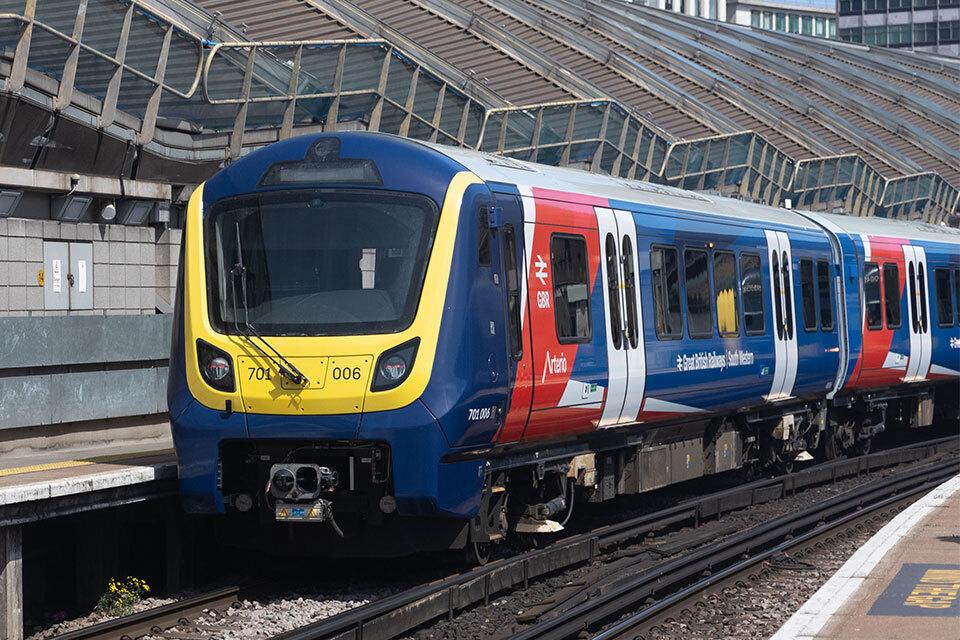
The government has unveiled plans to explore public ownership of train services, as part of a comprehensive strategy aimed at improving the rail network across Great Britain. This initiative, announced on 28 September 2026, marks a significant shift after three decades of reliance on leasing arrangements, with the objective of ensuring that services are better aligned with the needs of passengers and taxpayers.
Coordinated Approach to Rail Services
For the first time in 30 years, the railway sector will adopt a coordinated strategy through Great British Railways (GBR). This approach aims to integrate decisions regarding trains, tracks, depots, and maintenance, ensuring that investment is planned holistically rather than in a piecemeal fashion. The new rolling stock and infrastructure strategy outlines a clear policy for future train procurements, allowing GBR to evaluate whether direct public ownership, leasing, or alternative financing options would provide the best value for public finances.
The government believes that enhanced public control over vital services such as transport will ensure that these systems are designed and operated in the best interests of the community. By re-establishing public oversight of the railways, the intention is to create a more interconnected system that prioritises passenger needs, improves service reliability, and moves away from the fragmentation that characterised previous operations.
Rethinking Train Ownership
Historically, the majority of passenger trains have been owned by rolling stock companies and leased to operators, a practice that has continued for over 30 years. Under the new strategy, GBR will evaluate each new train procurement on a case-by-case basis, determining whether public or private ownership would yield the greatest benefit for taxpayers. Currently, leasing and maintenance expenses for train services amount to over £4 billion annually, with rolling stock companies distributing more than £2.5 billion in dividends over the past decade.
While existing leasing contracts will remain intact, the strategy indicates that leasing will no longer be the automatic option for new trains. In certain scenarios, outright purchases could result in substantial savings for both passengers and taxpayers.
Investment in New Technology and Workforce Development
This new strategy follows a recent announcement regarding a £1 billion investment in Alstom for a new fleet of UK-made battery-powered trains, intended for the Transpennine Route Upgrade. This investment is expected to secure hundreds of jobs in Derby, alongside thousands more within the supply chain, thereby reinforcing the UK’s rail infrastructure and workforce.
Moreover, the strategy aims to provide greater certainty for the rail supply chain by establishing a clearer, long-term investment pipeline for trains and infrastructure. GBR will also prioritise the social benefits of these contracts, focusing on the creation of jobs and skills development for the UK workforce. This commitment positions GBR as a key player in supporting local businesses and enhancing the skillset across all regions.
Enhancing Passenger Experience and Environmental Sustainability
Passengers are set to benefit from improved reliability as fleets, infrastructure, and maintenance services are integrated more effectively. Future trains are expected to feature advanced passenger information systems and enhanced digital connectivity. GBR’s commitment to public ownership will facilitate closer collaboration between operators and Network Rail, removing existing barriers and fostering solutions that are more responsive to passenger needs.
Additionally, the strategy introduces the concept of ‘fleet families’, which aims to standardise train designs across various types. This will not only improve accessibility but also provide passengers with a consistent experience, allowing for greater flexibility in train usage across the network.
In line with the commitment to a greener railway, GBR plans to phase out diesel trains in favour of cleaner technologies, with battery-powered trains playing a crucial role alongside an ongoing electrification programme.
Through these ambitious plans, the government seeks to transform the rail network into a more efficient, reliable, and environmentally sustainable service that meets the needs of all passengers.


More Stories
Almost 50 Arrests Made in Major People Smuggling Operation at Irish Border
Government Takes Bold Steps to Strengthen Leaseholder Protections
South West Water Fined £7.8 Million for Reckless Practices: What You Need to Know