
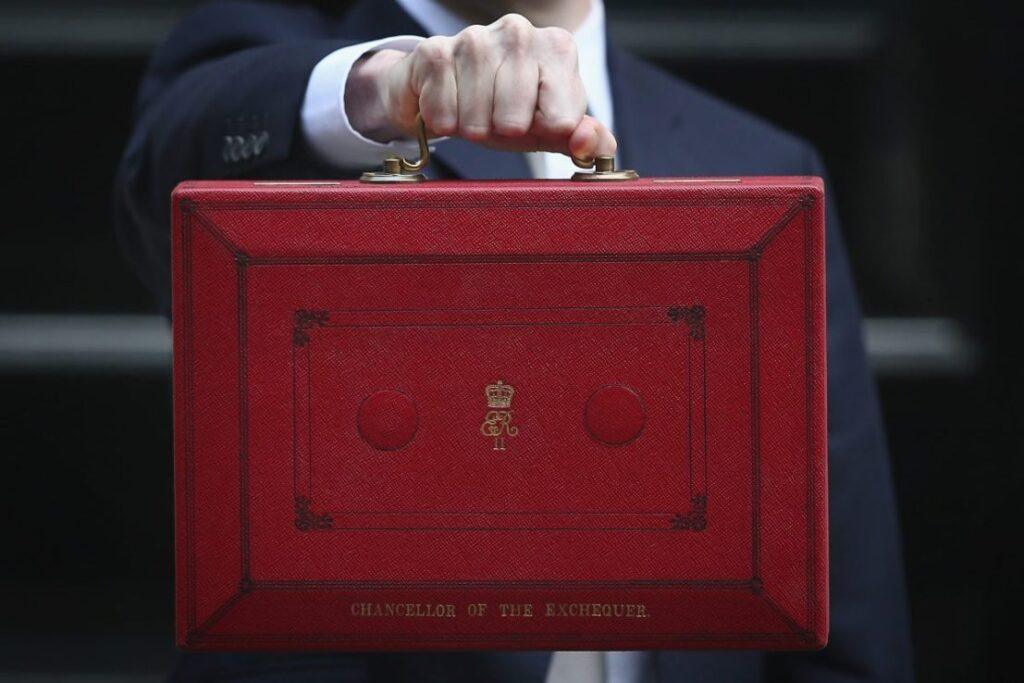
The forthcoming Budget is set to present a series of challenging fiscal decisions. However, prior to the unveiling of any specific measures, it is essential for ministers to address a fundamental and straightforward question: What specific business behaviours is this initiative intended to influence?
Understanding the Purpose Behind Fiscal Decisions
Fiscal policies play a crucial role in shaping the economic landscape, and it is vital for policymakers to clarify their intentions. By identifying the desired changes in business behaviour, ministers can ensure that the measures proposed are not only effective but also beneficial to the wider economy. This clarity will help in assessing the potential impact of each decision on various sectors and stakeholders.
The effectiveness of any budgetary measure hinges on its ability to encourage or discourage specific actions within the business community. For example, if the government aims to promote sustainability, it should focus on initiatives that incentivise eco-friendly practices among corporations. Conversely, if the goal is to stimulate investment, policies should be tailored to encourage capital expenditure and innovation.
The Importance of Accountability in Fiscal Policy
By compelling ministers to articulate the intended behavioural changes, greater accountability is introduced into the budgetary process. This approach not only enhances transparency but also fosters public confidence in governmental decisions. Stakeholders, including businesses and citizens, have a right to understand the rationale behind fiscal measures and how they align with broader economic goals.
Moreover, this practice encourages a more thoughtful and strategic approach to policymaking. When the focus is on the outcomes of fiscal decisions, ministers are more likely to consider the long-term implications of their actions, rather than opting for short-term fixes that may not yield sustainable results.
Engaging with Stakeholders for Effective Solutions
Engaging with businesses and industry stakeholders during the budget formulation process can provide valuable insights into the behaviours that need to be addressed. Collaborative discussions can illuminate the challenges faced by various sectors and highlight the potential consequences of proposed measures. This engagement ensures that policies are not only well-informed but also relevant to the realities of the market.
Ultimately, the goal of any budget should be to foster a thriving economy that works for everyone. By prioritising the understanding of business behaviour, ministers can create a framework that encourages growth, innovation, and sustainability. Only then can the Budget serve as a genuine tool for economic progress.




More Stories
FTSE 100 Rises as Tech Sector Recovers from Sell-Off; Oil Prices Poised for Weekly Increase
Lloyds and Barclays Shares Dip as Healey Set to Increase Bank Tax
HMRC’s Football Investigations Uncover Additional £110 Million in Revenue