
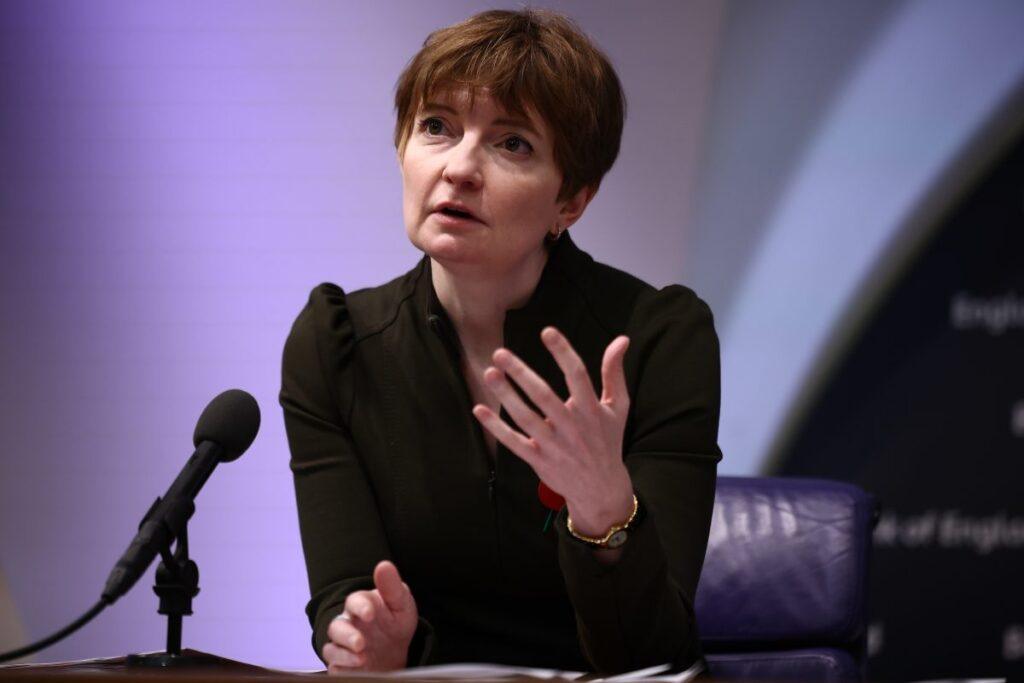
Clare Lombardelli has indicated a potential shift in monetary policy, suggesting that recent spikes in energy prices may lead to increases in interest rates. During her remarks on Thursday, she adopted a decidedly hawkish stance, emphasising the likelihood of tightening measures.
High Energy Prices and Monetary Policy Implications
Lombardelli’s comments reflect growing concerns about inflationary pressures stemming from elevated energy costs. The rising prices have sparked debates among economists regarding the necessity for the Bank of England to reassess its current monetary strategy. The central bank officials are increasingly recognising that persistent high energy prices could necessitate a more aggressive approach to interest rates to curb inflation.
In her address, Lombardelli articulated that the ongoing volatility in energy markets is not only affecting consumer spending but also influencing broader economic indicators. She highlighted that these developments are compelling the Bank to consider a more proactive stance in managing inflationary risks.
Market Reactions and Future Expectations
The response from financial markets to Lombardelli’s statements has been one of heightened speculation regarding future rate hikes. Investors are now closely monitoring signs of policy adjustments from the Bank of England, anticipating that any shift could have significant repercussions for both borrowing costs and economic growth.
Analysts have begun revising their forecasts in light of these developments, with many suggesting that any increase in interest rates could take place sooner than previously expected. The potential for a more robust monetary policy response underscores the importance of energy prices as a critical factor influencing economic stability going forward.
The Role of the Bank of England in Economic Management
As the situation unfolds, the role of the Bank of England in navigating these challenges will be pivotal. The central bank must balance the need to control inflation against the risk of undermining economic recovery. With various external factors at play, including global energy supply fluctuations and domestic economic performance, the Bank’s decision-making process is likely to require careful consideration.
In the coming months, continued dialogue among policymakers will be essential as they assess the impacts of energy prices on the UK’s economic landscape. Lombardelli’s recent remarks may signal the beginning of a more vigilant approach from the Bank, as it seeks to maintain financial stability in an increasingly volatile environment.



More Stories
Under Pressure: Pub Regulator Chief Defends Track Record Amidst Controversy
Nike, Adidas, and Puma Unite to Tackle Tariff Challenges and Combat Inactivity Crisis
Heathrow Billionaire Bidder Bets Everything on Extended Third Runway Delays