
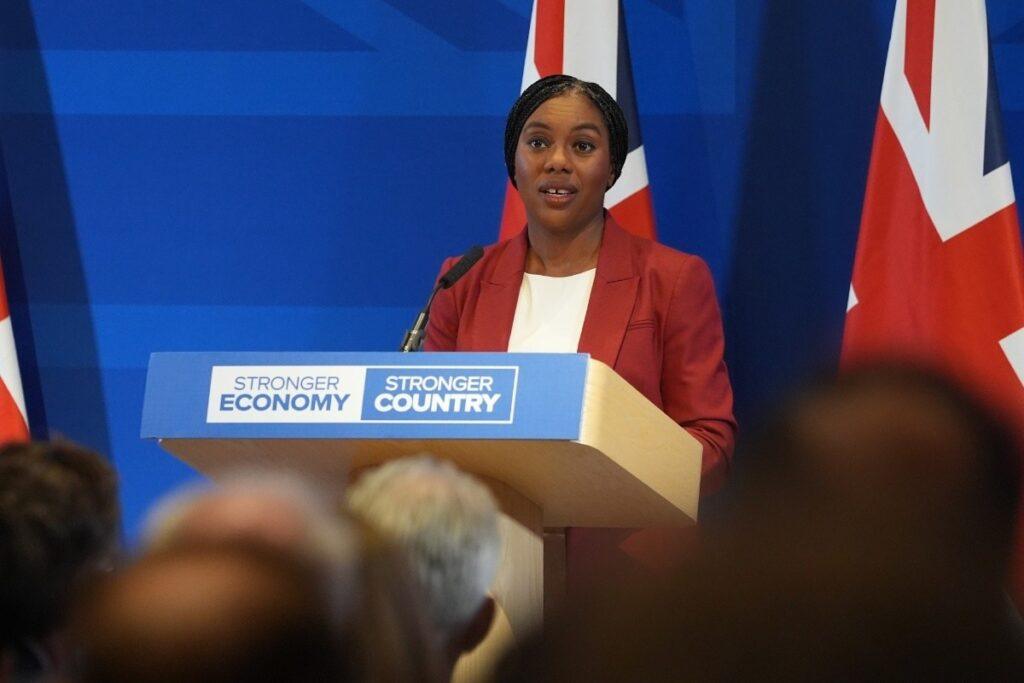
A proposed overhaul of the welfare system could result in a significant reduction in benefits for unemployed individuals, with payments potentially decreasing by as much as 30 per cent. This new initiative is part of a broader strategy put forward by the Conservative government aimed at reforming the benefits framework.
Introduction of Benefits Card
In conjunction with the proposed payment cuts, the Conservatives have also announced plans to introduce a benefits card for claimants. This card is intended to help manage and distribute welfare payments more effectively, although details regarding its implementation and functionality remain sparse.
The proposed changes have sparked considerable debate regarding their potential impact on the most vulnerable in society. Critics argue that such cuts may exacerbate existing hardships and lead to increased poverty levels among unemployed individuals. Proponents, however, contend that the measures are necessary to encourage individuals to seek employment and reduce dependency on state support.
Implications for Claimants
The implications of these changes for benefits claimants could be profound. A reduction of 30 per cent in welfare payments will likely challenge many individuals who rely on these funds for basic necessities, such as food and housing. The introduction of the benefits card may offer some level of support, but the overall reduction in financial assistance raises concerns about the adequacy of the safety net for those in need.
As discussions surrounding these reforms continue, it remains to be seen how they will be received by the public and the potential for pushback from advocacy groups. The government’s commitment to welfare reform reflects broader economic considerations, including the need for fiscal responsibility and the desire to incentivise employment.
Broader Economic Context
This initiative comes at a time when the UK’s economic landscape is already under scrutiny, with various factors influencing public sentiment and governmental policy. Issues such as inflation, labour shortages, and immigration are intertwined with the welfare debate, creating a complex environment for policymakers to navigate.
As the government prepares to roll out these proposed changes, all eyes will be on the impact they have on both the welfare system and the broader economy, particularly in how they affect the most disadvantaged members of society. The balance between fiscal prudence and social responsibility will be a central theme in the ongoing discussions surrounding welfare reform.




More Stories
Bentley Launches First Electric Vehicle, Sparking £1 Billion Surge in Automotive Investment within a Week
Businesses Call for Cost Cuts as Consumer Confidence Declines, Urges Healey
British Cybersecurity Firm Plans £11 Million AIM Float Amidst London IPO Resurgence