
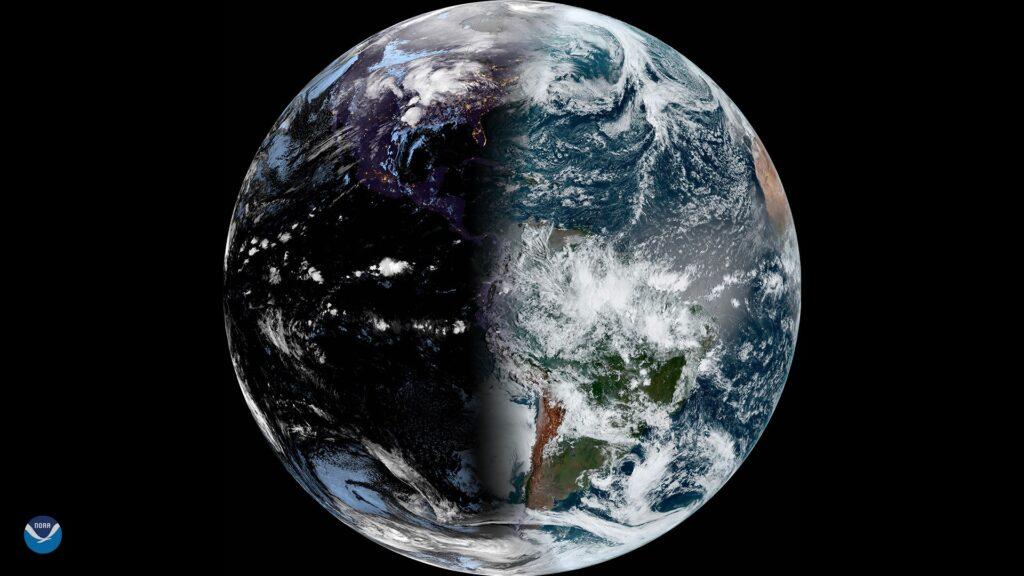
The equinoxes, occurring in March and September each year, mark significant moments in the Earth’s orbit around the Sun. During these periods, the tilt of the Earth’s axis is such that the Sun is directly above the equator, resulting in nearly equal lengths of day and night across the globe. This phenomenon not only heralds a change in seasons but also brings with it a variety of cultural and environmental implications, influenced by local climates and geographical conditions.
The March Equinox: A Prelude to Spring
For many regions in the Northern Hemisphere, the March equinox signifies the arrival of spring. As the days gradually grow longer, people often welcome the transition with outdoor activities and celebrations of renewal. The warming temperatures encourage the blossoming of flowers and the awakening of wildlife, making it a time of rejuvenation in nature.
However, in some locales, particularly those further north, the March equinox may still bring chilly weather and lingering winter conditions. This variation in climate can lead to mixed feelings, with some welcoming the promise of warmth while others brace for the last remnants of winter.
The September Equinox: Autumn’s Arrival
Conversely, the September equinox signals the onset of autumn in the Northern Hemisphere. As daylight hours gradually diminish, many experience a shift in both mood and activities. The cooler temperatures and changing foliage often inspire harvest festivals and a return to indoor pursuits. This time of year is celebrated in various cultures, with traditions that honour the bounty of the earth.
In the Southern Hemisphere, the September equinox heralds spring, mirroring the seasonal transition experienced in the Northern Hemisphere during March. This duality of equinoxes illustrates the Earth’s unique relationship with the Sun and the diverse experiences of its inhabitants.
The Cultural Significance of Equinoxes
Equinoxes have held great cultural significance throughout history, often celebrated with festivals and rituals. Many ancient civilisations constructed monuments aligned with the equinoxes, demonstrating their understanding of celestial events and their impact on agricultural cycles. Today, various cultures continue to observe these transitions, using them as opportunities for reflection, gratitude, and community bonding.
In addition to cultural practices, equinoxes also serve as important reminders of the Earth’s dynamic relationship with the Sun and the natural rhythms that govern our lives. They encourage a deeper appreciation for the changing seasons and the interconnectedness of all living things.




More Stories
NASA Uncovers Intricate Water Systems on Mars’ Ancient Landscape
Explore the Stunning Cocoon Nebula: September 21, 2026 Wide Field Imagery
NASA and JAXA’s XRISM Mission Captures Pulsar Interacting with Companion Star’s Stellar Wind