
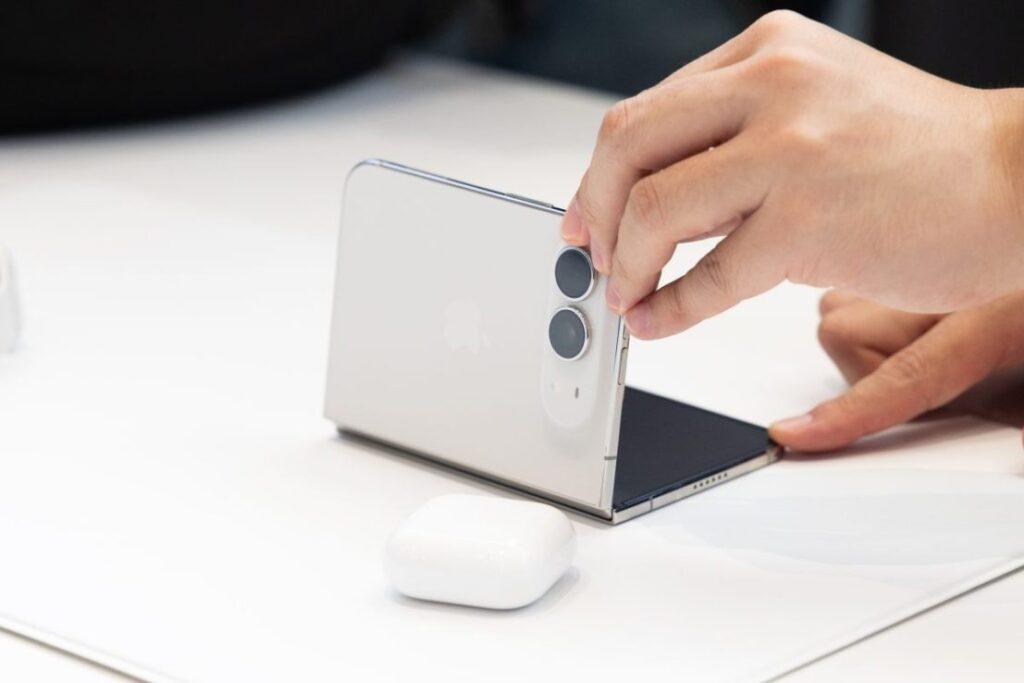
Apple’s Innovative Foldable iPhone: A New Era in Age-Tech?
The recent unveiling of Apple’s first foldable iPhone has sparked intriguing discussions regarding its potential implications for age-tech. Paul Armstrong, the founder of the emerging tech advisory firm TBD Group, posits that Apple may have inadvertently created a device tailored for an ageing population, despite not explicitly labelling it as such. This revelation invites a closer examination of how technology can bridge generational gaps and cater to the needs of older users.
With its dual cameras and innovative design, the foldable iPhone stands out not only for its aesthetic appeal but also for its functionality. The device’s ability to transform and adapt to various usage scenarios could prove particularly beneficial for older individuals who may require assistive features without compromising on style or ease of use. As the global population ages, the demand for technology that enhances daily living experiences becomes increasingly critical.
Understanding Age-Tech: Bridging Generational Gaps
Age-tech encompasses a wide range of technologies designed to support the elderly in leading independent, fulfilling lives. It includes everything from health monitoring devices to user-friendly communication tools. By integrating features that cater specifically to the needs of older users, Apple’s foldable iPhone could inadvertently position itself within this burgeoning sector.
The dual cameras, for instance, may facilitate easier video calls, allowing older individuals to stay connected with family and friends. Furthermore, the foldable screen can enhance accessibility, providing a larger interface that is easier to interact with. These features highlight a growing recognition of the importance of inclusive design in technology, ensuring that products cater to users of all ages.
The Potential Impact of Foldable Technology
The evolution of foldable technology presents exciting possibilities for the future of consumer electronics. As devices become more versatile, they can better serve a demographic that increasingly values functionality alongside aesthetic appeal. For older adults, the ability to use a device that is both familiar and adaptable can mitigate the learning curve often associated with new technology.
Moreover, as tech companies continue to innovate, the integration of age-friendly features into mainstream devices will likely expand. This not only reflects a growing acknowledgment of the needs of older users but also encourages other manufacturers to consider the implications of their designs on various demographics.
Looking Ahead: The Future of Age-Tech Innovations
As we move forward, it will be fascinating to see how Apple and other tech companies respond to the increasing demand for age-tech solutions. The release of the foldable iPhone may be just the beginning of a trend that sees greater emphasis placed on the intersection of technology and ageing. By prioritising accessibility and user experience, the industry can play a significant role in enhancing the quality of life for older populations.
Ultimately, while Apple may not have branded its latest innovation as an age-tech device, the implications of its design choices resonate with a broader mission to create inclusive technology. As we continue to explore the potential of emerging technologies, it is essential to consider how these advancements can be harnessed to support and empower individuals across all stages of life.




More Stories
Burnham Pressured to Initiate £26 Billion Tax Levy on High Earners
Inheritance Tax: Why It’s Now a Burden for Everyday Households
Activist Investor Puts Pressure on Whitbread’s Premier Inn Owner Board