
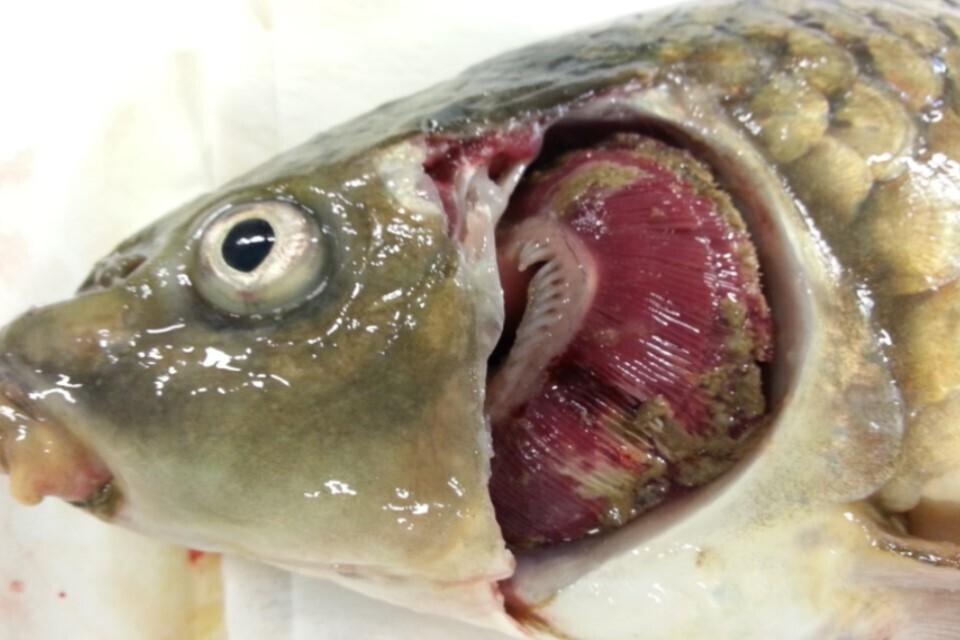
Koi herpesvirus (KHV) is a significant viral affliction affecting fish, classified as a notifiable disease in the United Kingdom. This disease impacts all varieties of common and ornamental carp (Cyprinus carpio), with the potential for extensive mortality rates among affected populations. Symptoms of KHV are particularly evident when water temperatures range from 16 to 28 °C, and may include:
- Necrotic patches (white or brown) on gills
- Rough skin patches and sloughing mucous
- Sunken eyes
If there is any suspicion of a KHV outbreak, it is imperative to contact the Fish Health Inspectorate (FHI). This includes observations of the aforementioned symptoms, or instances of mortality in carp or carp hybrids.
Importantly, KHV poses no threat to public health.
Monitoring and Compliance Following Outbreaks
Immediately following a confirmed outbreak of KHV, affected sites are required to implement a formal monitoring programme. The FHI will conduct visits to these sites to search for evidence of the disease and to ensure compliance with statutory controls currently in place.
Regulations Following Confirmation of Disease
Upon confirmation of a notifiable disease, the FHI enforces specific measures aimed at limiting its spread, referred to as confirmed designations. The following conditions apply under these disease controls:
- No individual may move any aquatic animal, including eggs and gametes, into, out of, or within a confirmed designation area without prior written consent from the FHI.
- All deceased aquatic animals, including eggs and gametes, must be disposed of using an approved method compliant with local Environmental Health department regulations, as they are classified as Category 2 animal-by-product waste.
- Should mortalities recur or spread to other waters or facilities within the designated area, it is crucial to notify the FHI immediately.
- Advance notification to the FHI is required for any intended physical changes to sites within the designated area, such as alterations to site boundaries, the number or size of water bodies, or the utilisation of the site. Written permission from the FHI is mandatory prior to any such changes.
- All requests for consents under this Confirmed Designation Notice must be submitted to the FHI with a minimum notice period of five working days.
New Outbreak Procedures
When laboratory results confirm the presence of KHV at a site, the FHI imposes statutory controls to mitigate the spread of the disease, which includes restrictions on the movement of aquatic animals.
Current disease controls are in effect at:
- Growing Facility, Tree Farm, Aspley Guise, Milton Keynes – 10 September 2026 (PDF, 274 KB, 4 pages)
Details regarding lifted disease controls can also be accessed.
Understanding KHV and its Implications
Koi herpesvirus disease is listed under The Aquatic Animal Health (England and Wales) Regulations 2009, with outbreaks subject to statutory controls in the UK since 2007. The UK actively maintains a surveillance programme for this disease.
Upon confirming an outbreak, the FHI undertakes measures to control and, where feasible, eradicate the disease. This may involve implementing movement restrictions on susceptible species in the affected region, enhancing biosecurity protocols, culling infected fish, and undertaking thorough cleaning and disinfection of the premises.
Once statutory controls are established, site operators must formally request permission from the FHI to move live fish, including eggs and gametes, into, out of, or within the designated area, as well as to implement significant changes to site activities.



More Stories
UK Prime Minister to Meet US President Trump on 22 September 2026: Key Discussions Ahead
UK Prime Minister to Meet European Commission President Ursula von der Leyen on 22nd September 2026
UK’s Position on Item 4 General Debate at UN Human Rights Council 63: Key Insights and Updates