
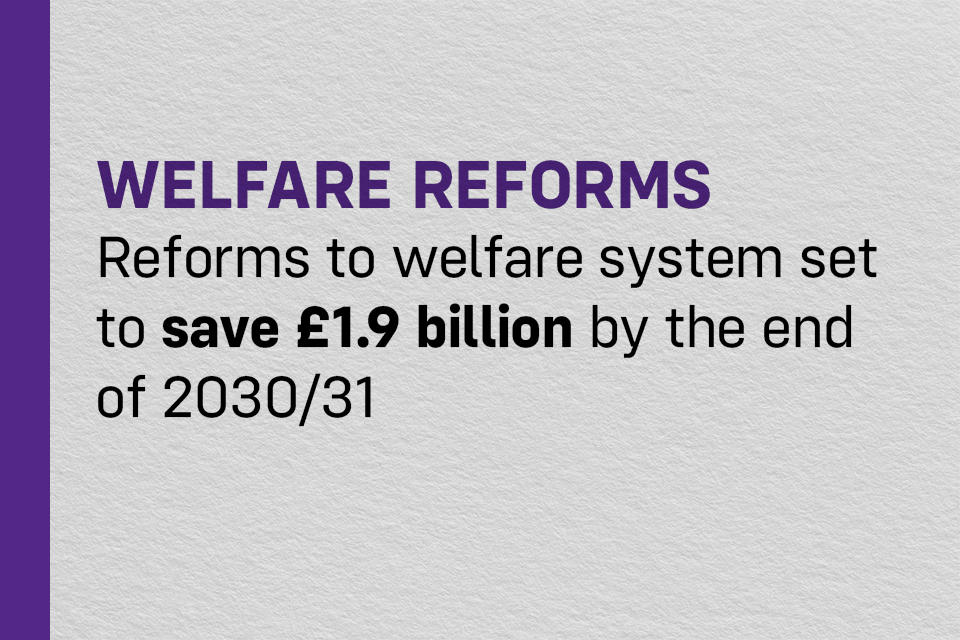
The UK government is taking decisive steps to address the backlog of individuals awaiting Work Capability Assessments (WCAs) as part of a comprehensive strategy aimed at achieving £1.9 billion in savings by the conclusion of the 2030/31 fiscal year. This initiative will see a significant increase in face-to-face assessments, as the government allocates additional resources to health assessors to manage the inherited backlog effectively.
Enhancing Face-to-Face Assessments
Starting in April next year, the government will implement changes that coincide with a rebalancing of Universal Credit and enhanced employment support for individuals who are sick or disabled, including the introduction of the ‘Connect to Work’ programme. These adjustments are in line with commitments made in the Pathways to Work Green Paper to reinstate face-to-face assessments, which were suspended during the COVID-19 pandemic. Previously, contracts established by the former administration mandated that 80% of assessments be conducted virtually.
The revised approach will see a substantial increase in the proportion of face-to-face assessments, with the share for Personal Independence Payment (PIP) rising from a mere 6% (approximately 57,000 assessments) in 2024 to 30% of all assessments. Similarly, the Work Capability Assessment (WCA) will experience an increase from 12% (around 74,000 assessments) in 2024 to 30%.
Reforming the Welfare System
These changes are part of the government’s broader effort to reform the welfare system inherited from previous administrations, which has long been criticised for neglecting millions of individuals as unfit for work. By extending the intervals between assessments for determining whether a claimant’s condition qualifies them for PIP, the government aims to alleviate pressure on health professionals, enabling them to conduct more face-to-face assessments and reassessments for WCAs. Such reassessments are crucial for acknowledging how health conditions and disabilities evolve over time.
Overall, these measures are projected to save UK taxpayers £1.9 billion by the end of the 2030/31 financial year, complementing initiatives designed to assist sick or disabled individuals, including the redeployment of 1,000 work coaches and the Connect to Work programme.
Commitment to Supporting Individuals
Secretary of State for Work and Pensions, Pat McFadden, has expressed the government’s commitment to reforming the welfare system, which he asserts has historically sidelined many as incapable of work. He stated, “We are ramping up the number of assessments we do face-to-face and taking action to tackle the inherited backlog of people waiting for a Work Capability Assessment.” McFadden emphasised that these reforms will not only facilitate significant savings but also foster a welfare state that supports those in need while promoting fairness for taxpayers.
Currently, the duration between award reviews can be as short as nine months, and most claimants do not experience changes to their awards at reviews. The new policy will extend this period for the majority of PIP claimants aged 25 and over to a minimum of three years for new claims, potentially increasing to five years at subsequent reviews if the claimant remains eligible.
Future Reviews and Tailored Support
It is important to note that these operational changes are distinct from the ongoing Timms Review, which will assess the role of PIP, its assessment processes, and criteria in aiding disabled individuals to achieve improved health, higher living standards, and greater independence. The changes are set to take effect from April 2026, alongside revisions to Universal Credit that aim to narrow the disparity between benefits for unemployment and long-term sickness.
These measures are part of a broader initiative to “Get Britain Working,” featuring the most ambitious employment reforms seen in a generation. The government also aims to provide tailored support through the Connect to Work programme, targeting the employment of 300,000 sick or disabled individuals by the end of the current parliamentary term.
In addition, the government will ensure that individuals unable to attend face-to-face appointments due to their disability or health condition will continue to receive appropriate adjustments, with providers offering home visits or alternative delivery methods when necessary. Individuals experiencing changes in their condition are encouraged to report these changes and request a review of their PIP award.



More Stories
Neil Sachdev’s Tenure as Chair of HM Land Registry Extended: What It Means for the Future
UK Delivers Key Statement on Ukraine at IAEA Board of Governors Meeting – September 2026
AUKUS Partners Respond to IAEA in September 2026: UK Right of Reply Explained