
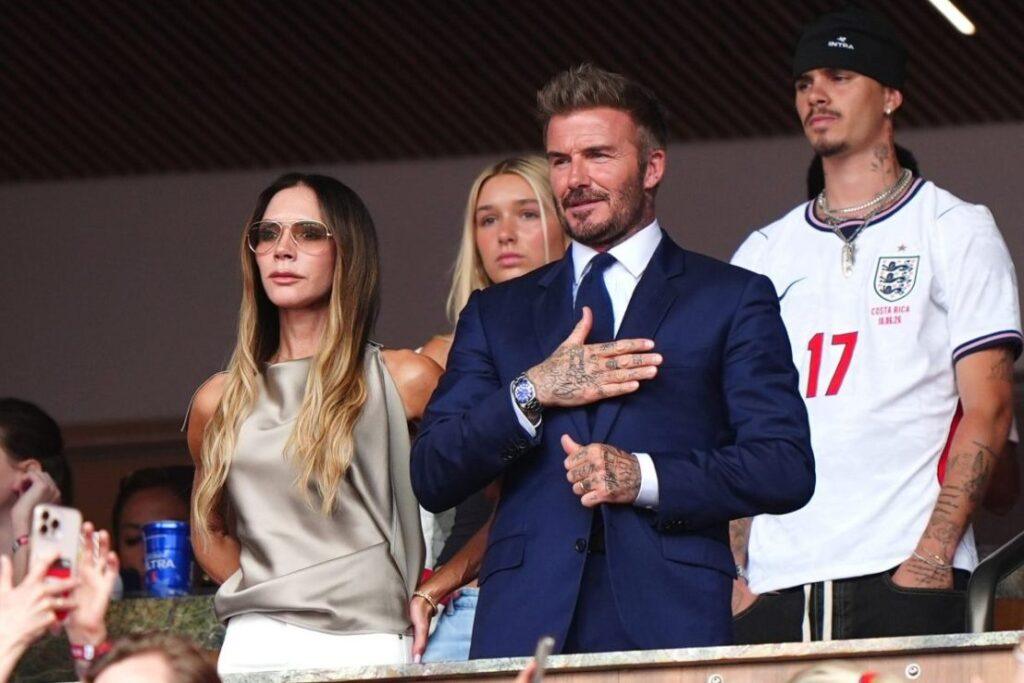
Victoria Beckham is currently awaiting payment exceeding £350,000 from Harvey Nichols, the prestigious department store that finds itself in a precarious financial position. The retailer is facing significant debts, with creditors collectively owed more than £270 million. This financial turmoil has led to a growing concern among those who have provided goods and services to the iconic store.
Harvey Nichols’ Financial Woes
The situation at Harvey Nichols has raised eyebrows across the retail sector, particularly as the store is renowned for its luxury offerings and high-profile clientele. The substantial amount owed to creditors, which totals £270 million, highlights the challenges the department store is grappling with amidst a changing retail landscape. The debts are not only a reflection of financial mismanagement but also the broader issues facing high-end retailers in an increasingly competitive market.
Victoria Beckham, a prominent figure in both fashion and popular culture, is among those affected by the store’s financial difficulties. Her brand’s connection to Harvey Nichols has been significant, making the owed sum all the more concerning. The impact of such debts could potentially extend beyond immediate financial ramifications, affecting the reputation and operational capabilities of both the store and the brands it carries.
The Implications for Luxury Retail
This development at Harvey Nichols serves as a cautionary tale for luxury retailers, many of whom are navigating similar challenges. The evolving preferences of consumers, coupled with economic uncertainties, have forced many high-end stores to reassess their strategies. As customers increasingly favour online shopping and seek value, traditional department stores must adapt or risk falling behind.
The implications of Harvey Nichols’ financial predicament could resonate throughout the luxury retail sector. Brands and suppliers may reconsider their partnerships and terms of engagement with retailers that are perceived as financially unstable. In this context, timely payments become crucial for maintaining trust and operational flow within the industry.
The Future of Harvey Nichols
Looking ahead, the future of Harvey Nichols will depend on its ability to manage its debts and regain the trust of its stakeholders. The department store must devise a robust strategy to navigate its current challenges and emerge as a viable player in the luxury retail market. Potential restructuring, improved financial management, and a renewed focus on customer engagement may be essential steps toward recovery.
As the situation unfolds, both consumers and industry insiders will be watching closely to see how Harvey Nichols addresses its financial obligations and what this means for the wider retail landscape.


More Stories
MPs Called to Support Ban on Strike Action During Major Sporting Events
Discover the Visionary Leading London’s Largest Factory Development Since WWII
Sainsbury’s Aims to Reclaim Spotlight Following Shocking Morrisons Merger Announcement