
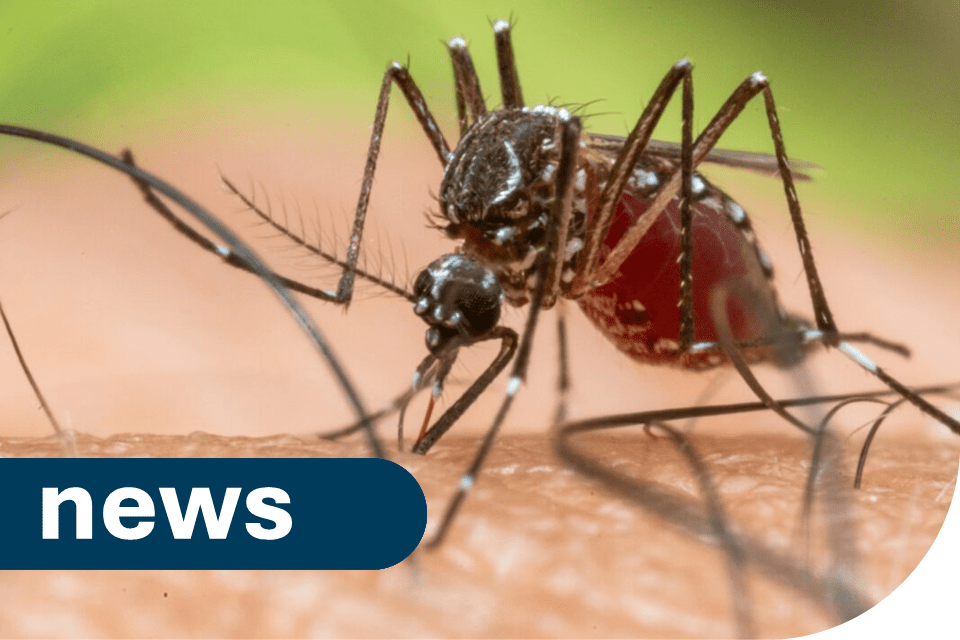
The UK Health Security Agency (UKHSA) has initiated intensified surveillance and trapping operations following the discovery of invasive Aedes aegypti mosquitoes and their larvae in residential areas of east London. This detection marks the first instance of Aedes aegypti breeding within the UK, although the species has been identified in the country on four previous occasions in recent years.
In response to this finding, control measures have been swiftly implemented to eliminate the larvae, with ongoing monitoring of the area to detect and eradicate any additional mosquitoes or larvae that may emerge. The UKHSA manages a variety of programmes aimed at monitoring mosquito populations and other vectors, facilitating early warnings about new or invasive species, and ensuring prompt public health responses as necessary.
Understanding the Risks of Aedes aegypti
Dr Jolyon Medlock, Head of Medical Entomology and Zoonoses Ecology at UKHSA, commented on the situation, stating, “While Aedes aegypti can transmit diseases such as dengue, chikungunya, and Zika virus in regions where these infections are prevalent, the current risk to the public from this finding is assessed as very low. There is no evidence to suggest that these mosquitoes have caused any human infections, and significantly, there have been no reports of mosquitoes or larvae being found in adjacent public spaces.”
Dr Medlock further explained that these mosquitoes are likely to be accidental imports. Invasive species can travel in vehicles, luggage, and imported plants, and if they discover a suitable climate, they can survive. Despite the recent breeding activity observed in the local vicinity and the recent heatwaves, the species is not established in the UK and is unable to survive long-term in the typical British climate, which is generally too cold. However, with climate change, it is anticipated that there will be an increase in incursions of invasive mosquitoes, along with reports of their ability to endure in the UK.
Community Efforts to Combat Mosquito Breeding
As a precautionary measure, residents are encouraged to mitigate potential breeding grounds for all mosquito species by eliminating standing water from gardens and outdoor areas. This includes removing water that may accumulate in buckets, containers, paddling pools, and plant pots. Additionally, members of the public are invited to support mosquito detection through the UKHSA’s Mosquito Watch scheme, where they can submit photographs or specimens when possible.
The UKHSA remains committed to closely monitoring the situation and ensuring public safety as they navigate this emerging challenge.


More Stories
PM Takes Action Against Sky-High Parking Fees and Car Scams
Bradford Welcomes New Train Station: A Boost for Local Transport and Connectivity
Jacqui Smith Delivers Inspiring Speech at Parliamentary Reception Celebrating WorldSkills UK